The world's oldest customer complaint is about bad copper
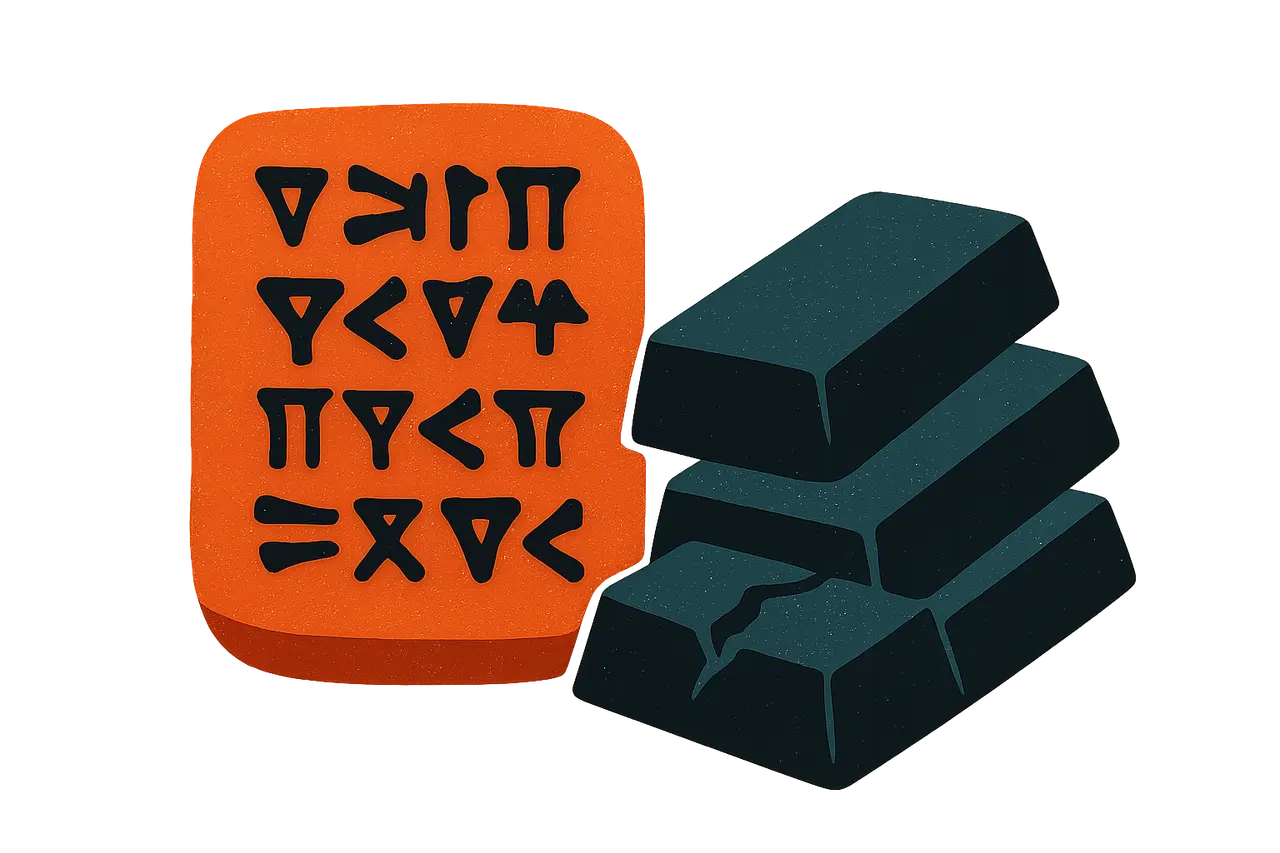
A palm-sized tablet from Ur has Nanni berating merchant Ea-nasir over shoddy copper — and it reveals how Bronze Age trade was financed.
The world’s oldest known written customer complaint is a clay tablet from Ur, in southern Iraq, in which a man named Nanni berates the copper merchant Ea-nasir for delivering substandard ingots, around 1750 BC. Guinness World Records lists it as the record holder; the British Museum, which acquired it in 1953, keeps it as museum number BM 131236.
Nanni’s anger was not really about one bad batch. Ur had no copper of its own, so traders sailed more than 600 miles down the Gulf to Dilmun, modern Bahrain, to buy it, often pooling silver and sesame oil to finance a voyage. Ea-nasir had promised “fine quality copper ingots”, then offered Nanni’s messenger poor ones on a take-it-or-leave-it basis, and repeatedly sent his envoys home empty-handed “through enemy territory”. Nanni also reminds him that he had paid 1,080 pounds of copper to the palace on Ea-nasir’s behalf, a glimpse of how royal levies sat on top of private trade.
“What do you take me for, that you treat somebody like me with such contempt?” — Nanni to Ea-nasir, translated by A. Leo Oppenheim
The tablet is small, just 11.6 cm tall, shorter than a modern phone, and written in Akkadian cuneiform, the script that began as a tool for accounting. Leonard Woolley’s excavators found it with other business letters in a house at Ur thought to be Ea-nasir’s. More grumbles turned up there: Imgur-Sin begged for “good copper, so that I will not become upset”, and another customer sought damages for a short delivery. Why he kept them is anyone’s guess.
Treat the precise ages online with caution. Guinness calls the tablet 3,767 years old, but that figure simply counts from a conventional 1750 BC date. The Cuneiform Digital Library Initiative files it more cautiously under the Old Babylonian period, c. 1900–1600 BC. “Roughly 3,600 to 3,900 years old” is as precise as the evidence allows.
Sources & references
4 referencesWell-established. Corroborated by 4 independent sources.