Eratosthenes sized the Earth from a single noon shadow
From a noon shadow in Alexandria, a Greek librarian sized the planet at 250,000 stadia — but how close he got depends on a lost unit.
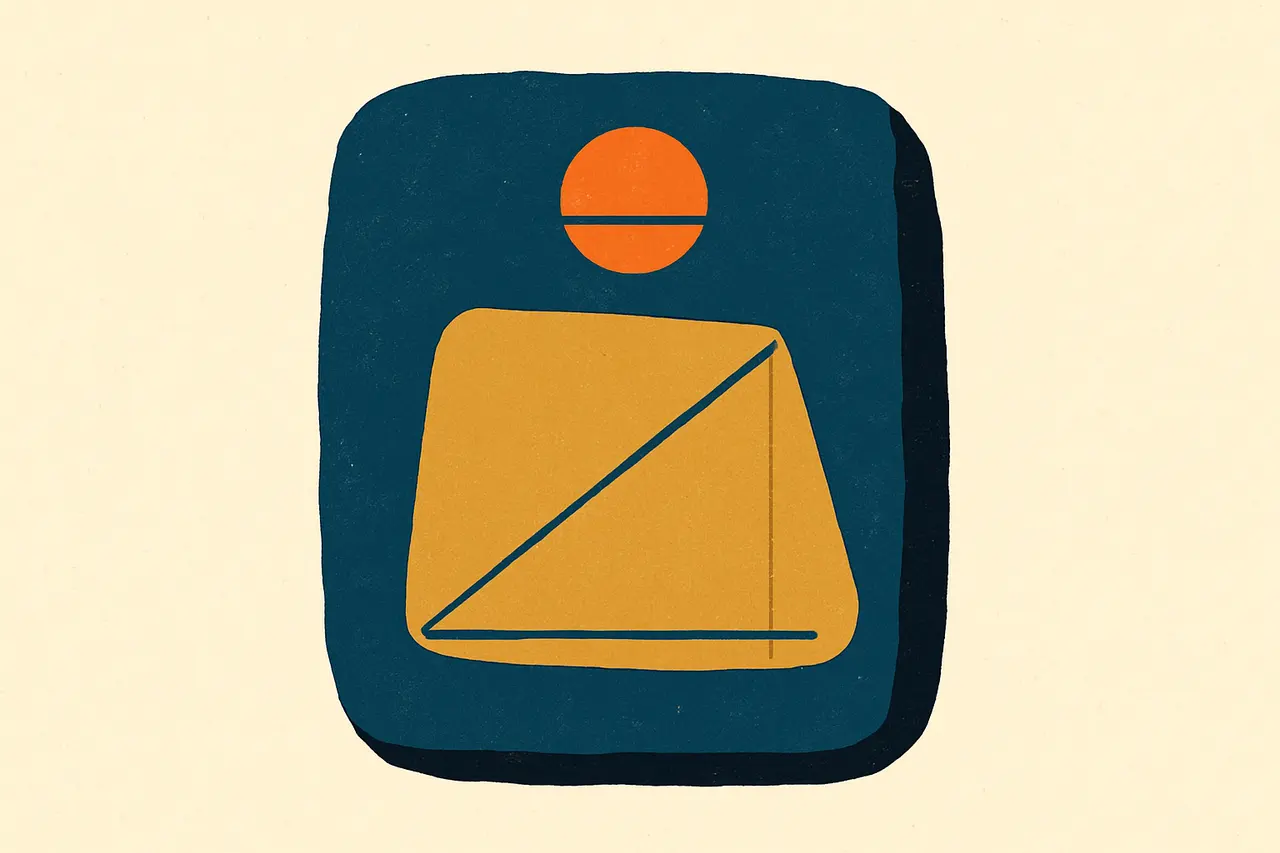
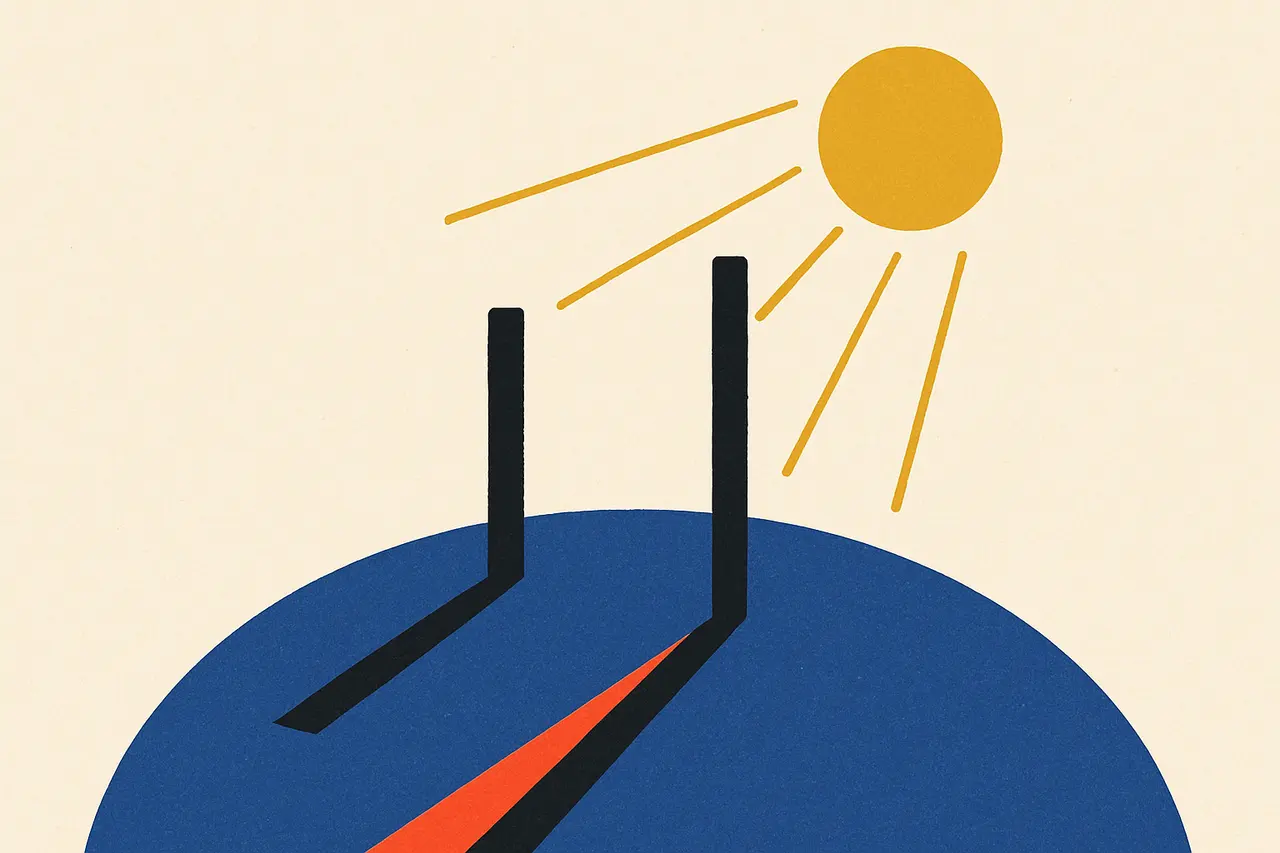
Eratosthenes of Cyrene, head of the Library of Alexandria, estimated Earth’s circumference at 250,000 stadia in the late 3rd century BC by comparing noon shadows on the summer solstice. At Syene (modern Aswan) the Sun lit the bottom of a well, so it was directly overhead; at Alexandria a vertical stick cast a shadow at 7.2° — one-fiftieth of a circle. Multiplying the 5,000 stadia between the cities by 50 gave the planet’s girth.
His own treatise, On the Measurement of the Earth, is lost. The method survives because later writers, including Cleomedes, Theon of Smyrna and Strabo, described it.
How close he came depends on a unit nobody can pin down. Scholars disagree over the length of the stadion he used:
| Stadion length assumed | 250,000 stadia equals | Against ~40,075 km |
|---|---|---|
| 157.2 m (from Pliny’s figures) | about 39,300 km | about 2% short |
| 166.7 m | about 41,700 km | about 4% over |
| 183 m (600 feet) | about 45,700 km | about 14% over |
Even at the high end he was in the right range, though his assumptions were slightly off: Alexandria is not due north of Syene, and Syene does not sit exactly on the Tropic of Cancer. Earth is also not a perfect sphere — it is slightly smaller around the poles, which is why Chimborazo, not Everest, is farthest from Earth’s centre.
What happened to his number
It was not the figure that lasted. More than a century later Posidonius remeasured Earth using the star Canopus over Rhodes and Alexandria, but a wrong distance gave about 18,000 miles — nearly 7,000 too small. Ptolemy put that smaller figure in his Geography, and Christopher Columbus believed it, convinced that the globe was small enough to sail around.
That also undercuts a classroom myth: educated Europeans before Columbus did not think Earth was flat. The argument was about its size — and Eratosthenes, working with the books of a library that faded rather than burned, had been nearer the truth.
Sources & references
3 referencesWell-established. Corroborated by 3 independent sources.