The Great Smog of London Began
On this day · 5 December 1952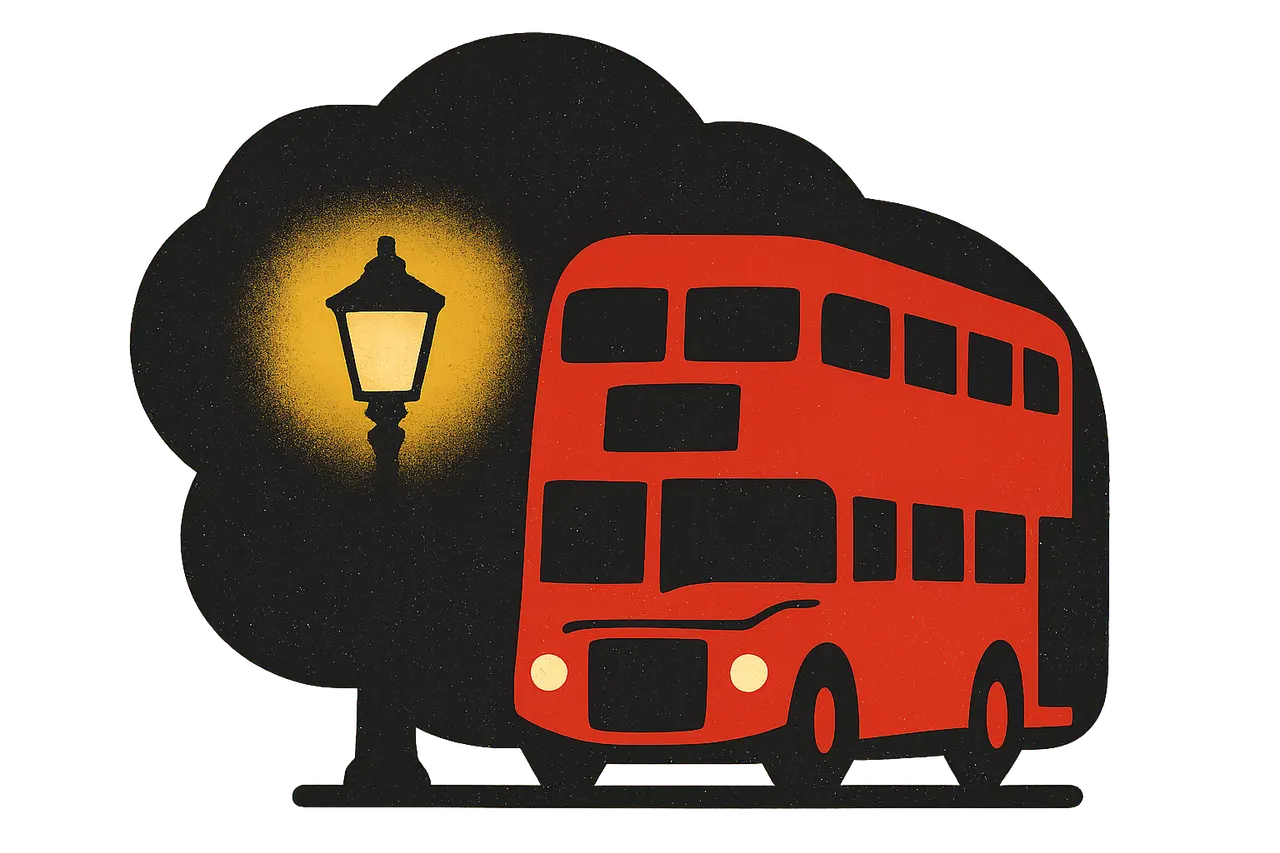
A killer cloud of coal smoke and freezing fog smothered London for five days, claiming thousands of lives.
As the sun rose on Friday 5 December 1952, Londoners went about their day as usual. But a stalled anticyclone had trapped the city under a temperature inversion, pinning cold air close to the ground. With Londoners burning huge quantities of coal to fight an unusually bitter winter, chimney smoke had nowhere to escape.
By nightfall the fog thickened into a poisonous smog so dense that visibility fell to a few metres. It lingered until 9 December, halting buses, stranding trains, and seeping indoors to cancel concerts and even a film screening when the audience could no longer see the screen.
About 4,000 people were known to have died as a result of the fog — but it could be many more.
Later analysis pushed the estimated toll toward 12,000 deaths, with around 100,000 more made ill. The disaster forced a national reckoning with air pollution and led directly to the Clean Air Act of 1956, one of the world’s first major laws to curb smoke from homes and industry.
Sources & references
2 referencesWell-established. Corroborated by 2 independent sources.