The Edmund Fitzgerald sank in a Lake Superior gale
On this day · 10 November 1975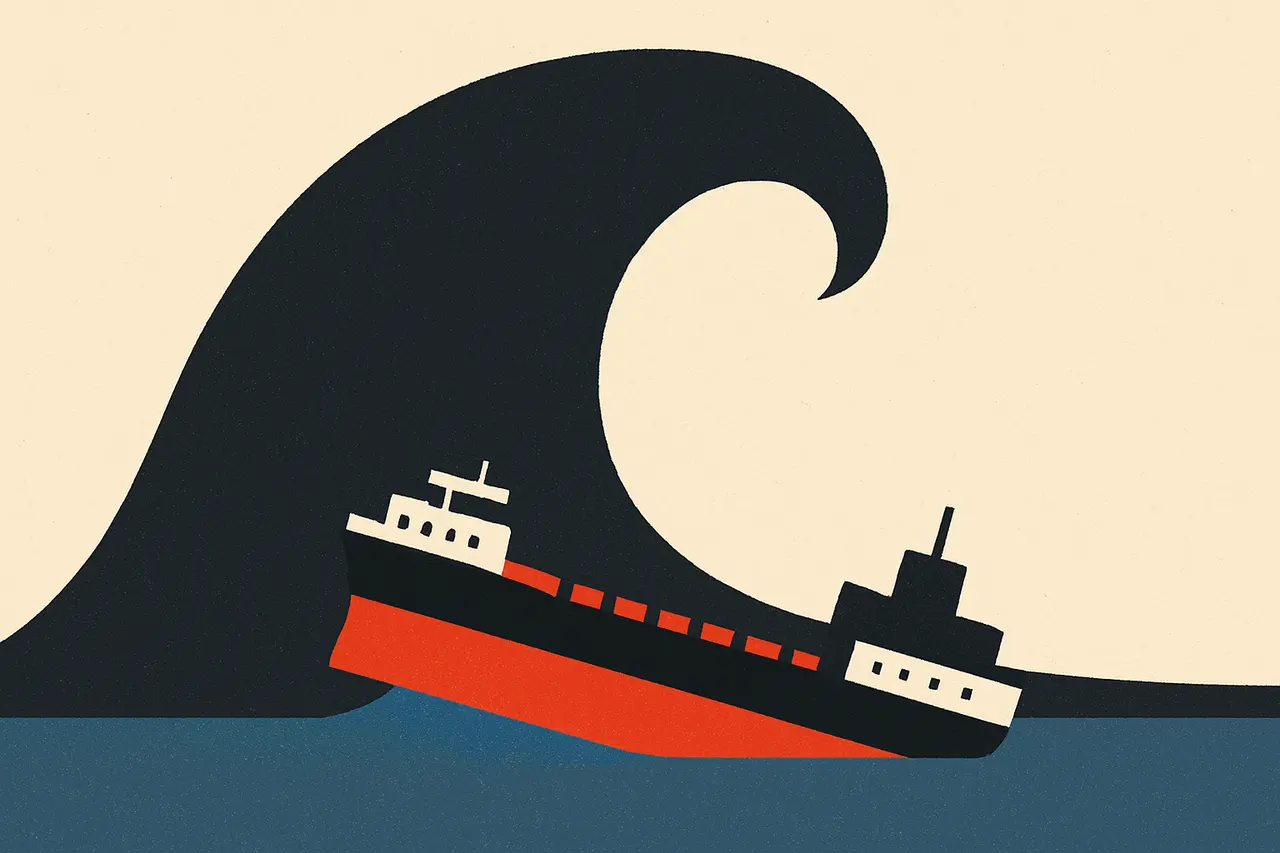
A November storm swallowed the giant ore carrier whole, killing all 29 aboard within minutes and never giving up a single survivor.
On November 10, 1975, the 729-foot ore freighter Edmund Fitzgerald vanished into Lake Superior during a violent autumn storm, taking all 29 crew with her. She was hauling taconite pellets toward a steel mill near Detroit when the weather turned brutal.
Ship reports logged winds near 50 knots and waves close to 20 feet. The Fitzgerald, once the largest vessel on the Great Lakes, had radioed that she was holding her own — then dropped off the radar without a distress call. The Coast Guard concluded she sank abruptly, plunging to the bottom in seconds.
She now lies under about 535 feet of water, roughly 17 miles northwest of Whitefish Point, broken in two.
No bodies were ever recovered. The wreck, and Gordon Lightfoot’s haunting ballad a year later, turned a routine cargo run into one of the most famous maritime tragedies in American memory.
Sources & references
2 referencesWell-established. Corroborated by 2 independent sources.