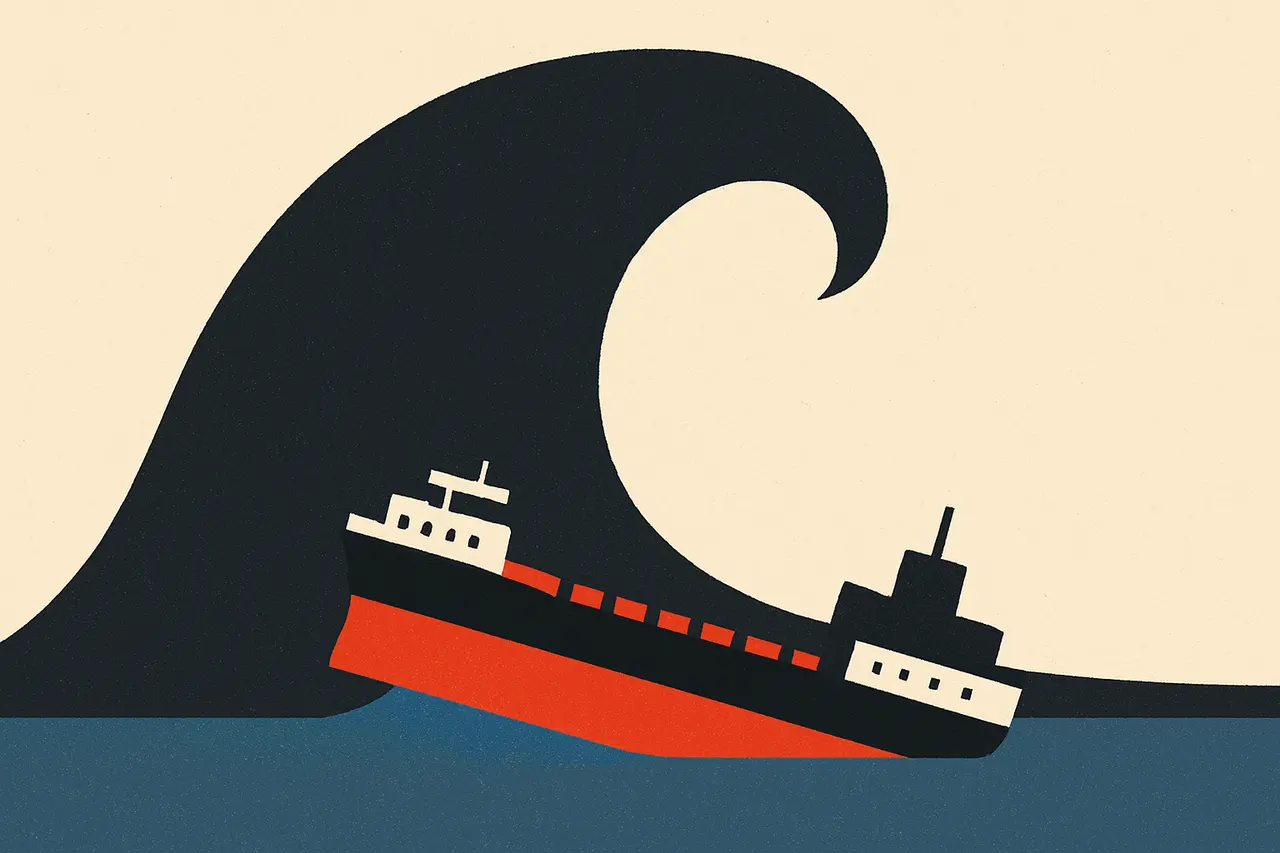
Hurricane Katrina made landfall on the Gulf Coast
On this day · 29 August 2005
A weakening but immense storm came ashore in Louisiana, and the failure of New Orleans's levees turned a hurricane into a catastrophe.
On August 29, 2005, Hurricane Katrina made its major Gulf Coast landfall near Buras, in southeast Louisiana, around 6:10 a.m. local time. Though it had weakened to a strong Category 3 storm, it carried maximum sustained winds near 125 mph and a central pressure of about 920 millibars, the third-lowest on record for a U.S. landfalling hurricane.
Katrina pushed north along the coast and struck again near the Louisiana-Mississippi border. Storm surge reached 25 to 28 feet along the Mississippi coast.
The greatest devastation came not from the wind but from water, as more than 50 levees and floodwalls failed.
Around 80 percent of New Orleans flooded in the days that followed. The disaster is blamed for roughly 1,800 deaths and well over $100 billion in damage, making it one of the costliest natural disasters in U.S. history and a turning point in how the country prepares for catastrophic storms.
Sources & references
2 referencesWell-established. Corroborated by 2 independent sources.