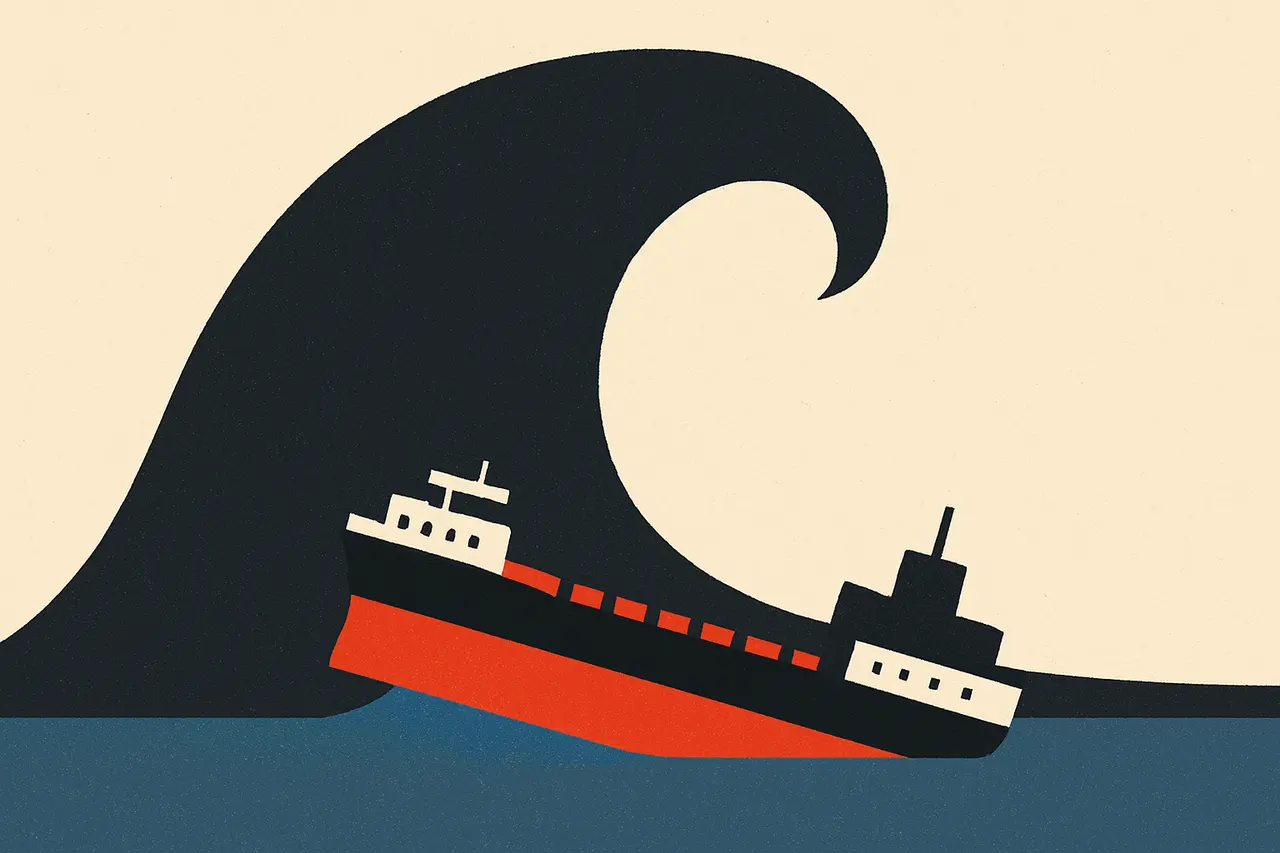
A catastrophic cyclone drowned coastal Bangladesh in a single night
On this day · 29 April 1991
On April 29, 1991, a Category 5 cyclone drove a 20-foot wall of sea over Bangladesh's coast, killing roughly 138,000 people overnight.
Late on April 29, 1991, one of the deadliest tropical cyclones ever recorded slammed into the Chittagong coast of southeastern Bangladesh. Sustained winds reached an estimated 160 mph (260 km/h) — Category 5 strength — but the wind was not the killer.
The storm pushed a 20-foot (6-meter) surge of seawater across the flat, densely populated delta, where millions lived barely above sea level. Whole islands vanished beneath the water in the dark. Official tallies put the dead at around 138,000, with some 10 million left homeless and damage near $1.7 billion.
The geography that makes the delta fertile also makes it a trap: there was almost nowhere to climb.
Later epidemiological studies found mortality fell hardest on women, children, and the elderly, and showed that the few existing concrete cyclone shelters saved many who reached them. That grim lesson reshaped Bangladesh’s disaster planning, driving a vast shelter-and-warning network that has since cut death tolls from comparable storms by orders of magnitude.
Sources & references
2 referencesWell-established. Corroborated by 2 independent sources.