Hatchling Turtles Survive Winter by Refusing to Freeze
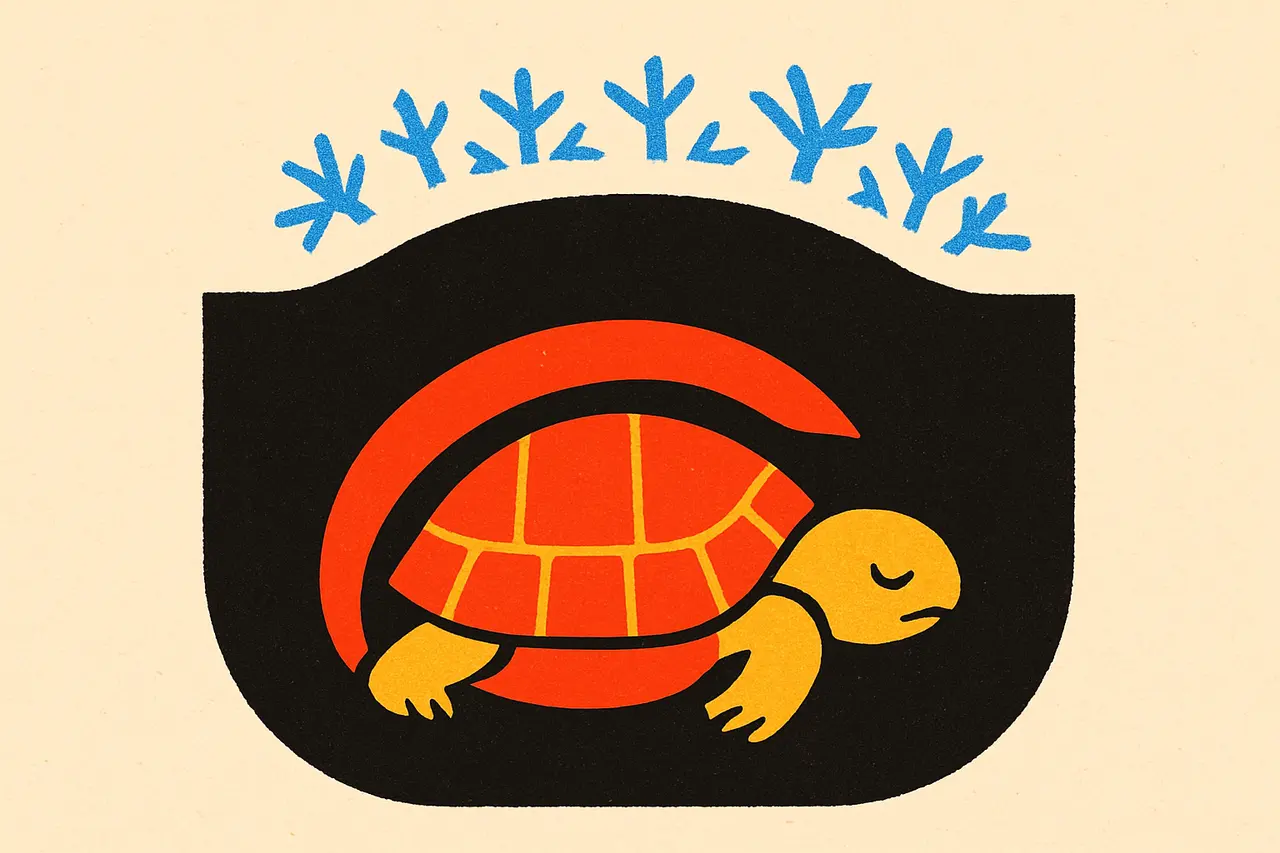
Painted turtle hatchlings cheat the cold by keeping their body fluids liquid far below freezing, then crawl out alive in spring.
Hatchlings of the North American painted turtle (Chrysemys picta) face a brutal first winter. Unlike adults that hibernate underwater, the newly hatched young stay put in their shallow nest chamber, often less than 10 cm below the soil surface, where temperatures in northern nests can plunge below -10C.
Their survival trick is not freezing — it is the opposite. The hatchlings supercool, keeping their bodily fluids in a liquid state well past the normal freezing point. They pull this off by purging or deactivating the ice-nucleating agents that would otherwise trigger crystal formation, while their skin acts as a barrier to stop external ice from seeding a freeze inside.
Remarkably, they manage this without any true antifreeze to lower their fluids’ freezing point.
The strategy is precarious. As the cold deepens, circulation slows and shuts down, forcing the turtle onto anaerobic metabolism and a rising tide of lactic acid. Survive that, and when the soil thaws the hatchling simply digs out and walks away.
Sources & references
2 referencesWell-established. Corroborated by 2 independent sources.