The tuatara is a living fossil with a third eye
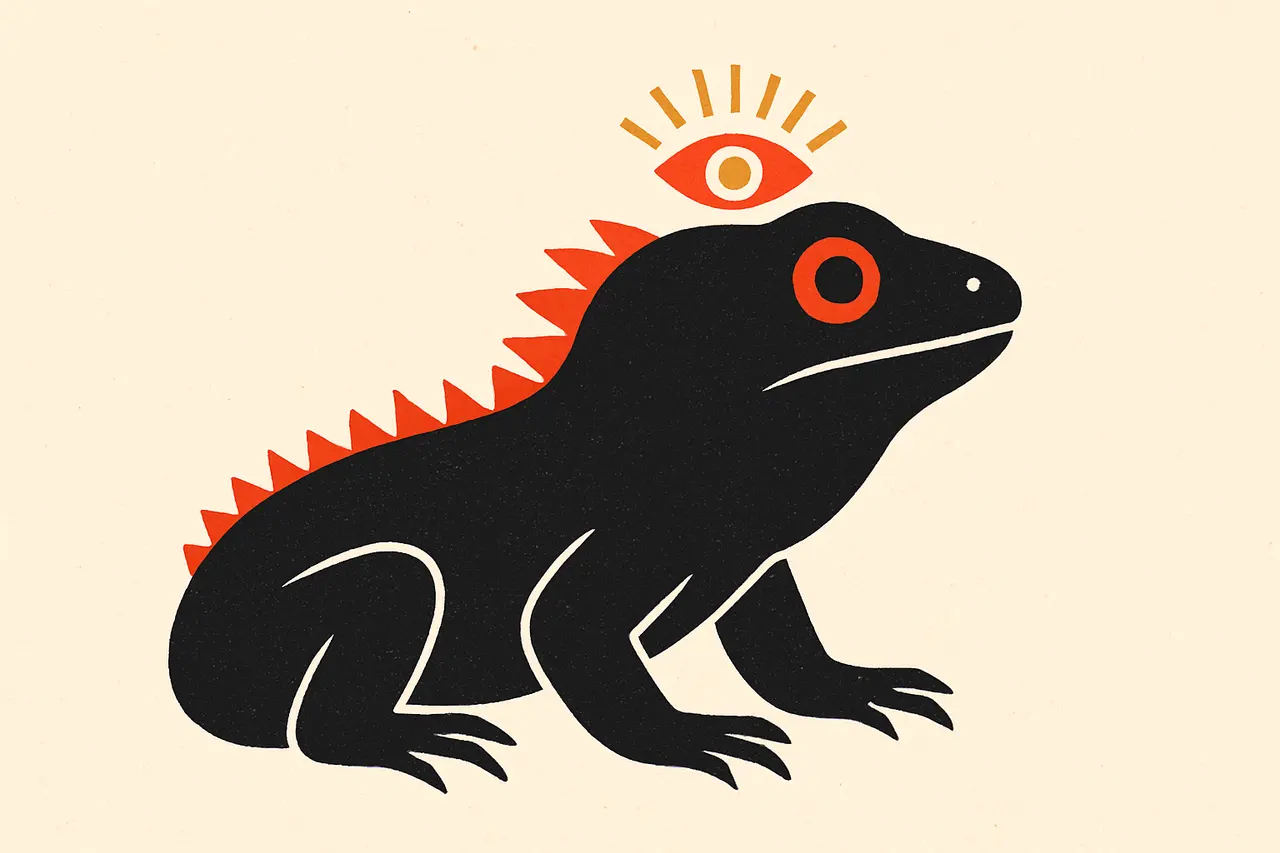
New Zealand's tuatara is the last survivor of a reptile order that predates the dinosaurs — and it has a light-sensing eye on top of its head.
It looks like a lizard, but the tuatara of New Zealand isn’t one. It is the sole survivor of an entire reptile order, Rhynchocephalia, whose lineage split from lizards and snakes some 250 million years ago in the Triassic — making it a genuine “living fossil” that shared the planet with the first dinosaurs.
Stranger still, the tuatara has a third eye. On top of its head sits a parietal eye, complete with a rudimentary lens and retina. It can’t form images, but it senses light and dark and is thought to help regulate hormones and seasonal cycles. The eye is most visible in hatchlings and becomes covered by scales as the animal ages.
Its mouth is just as unusual. The tuatara has a single row of lower teeth that closes between two rows of upper teeth, and it chews with a back-and-forth sawing motion found in no other living animal — the teeth are fused extensions of the jawbone rather than replaceable pegs.
The biology runs slow to the point of strangeness. Tuatara have among the slowest metabolisms and growth rates of any reptile, lifespans likely exceeding 100 years, and they keep breeding into old age — Henry, at the Southland Museum, famously fathered offspring past 110. Their sex is set by nest temperature, not chromosomes.
In 2020, scientists sequenced the tuatara genome — one of the largest reptile genomes on record. It confirmed the deep split from squamates and revealed unusual DNA-repair and cold-adaptation genes, fitting an animal that thrives in temperatures that would leave most reptiles sluggish.
Sources & references
2 referencesWell-established. Corroborated by 2 independent sources.