The Komodo dragon kills with venom, not just bacteria
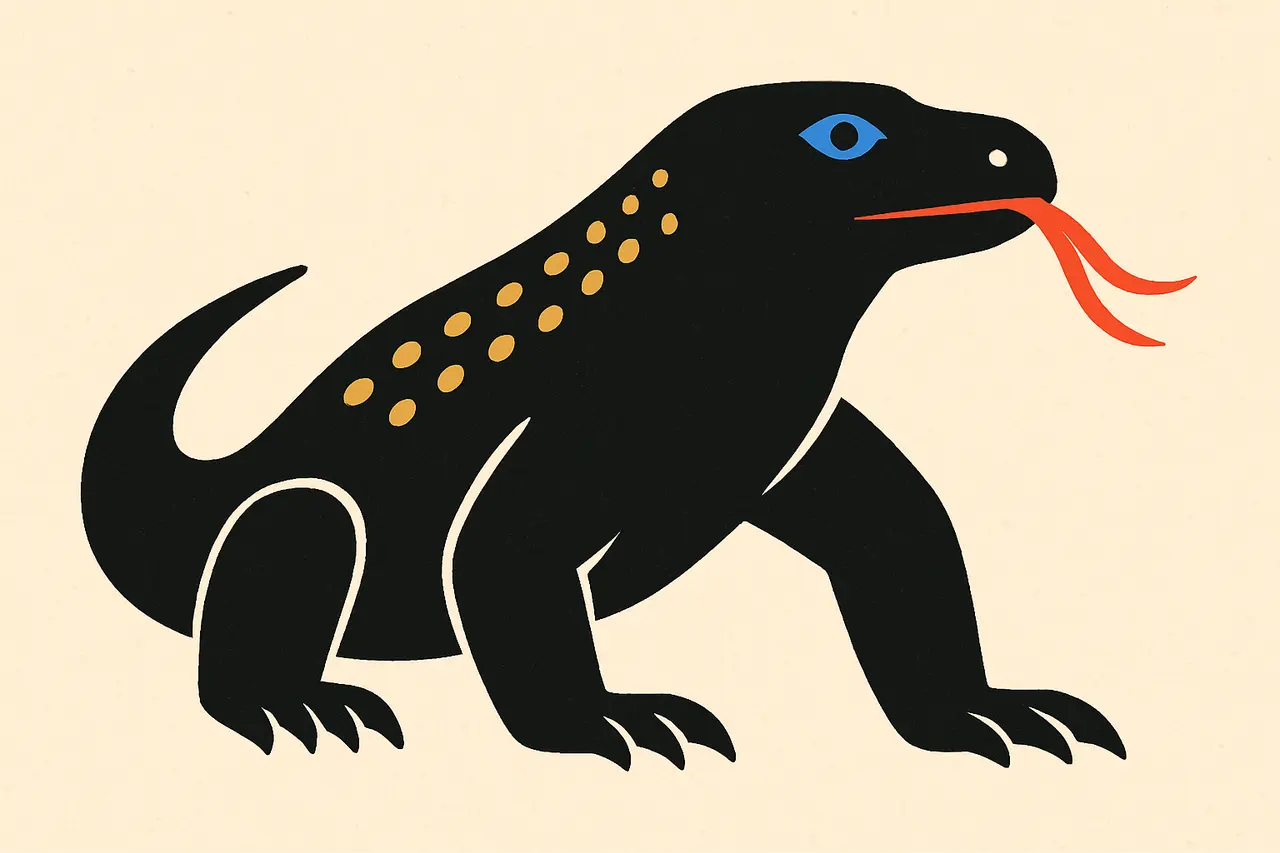
The world's largest lizard has venom glands that keep its prey's blood from clotting.
The Komodo dragon (Varanus komodoensis) is the largest lizard alive, reaching about 3 metres (10 feet) and 150+ kg. For years its lethal bite was blamed on filthy, bacteria-laden saliva. The real weapon turned out to be venom.
Researchers documented venom glands in the dragon’s lower jaw. When it bites, the venom is delivered into the wound, where toxins inhibit blood clotting and lower blood pressure. The dragon often bites once and lets go; its prey — even a water buffalo — then bleeds, weakens, and goes into shock over hours before the dragon closes in.
The wound won’t clot, so the animal slowly bleeds out.
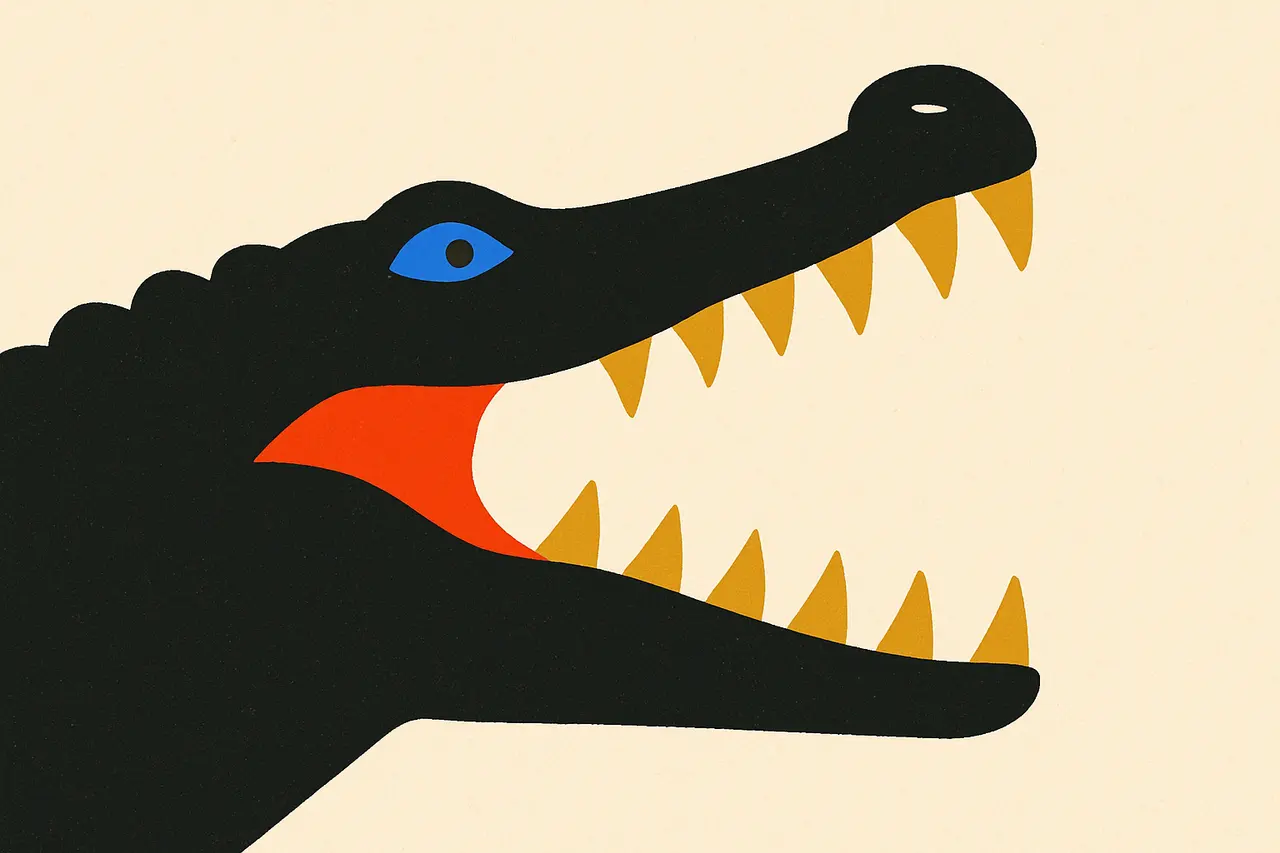
This pairing of serrated teeth and anticoagulant venom lets a single dragon bring down animals far larger than itself. Bites on humans are rare, but the same blood-thinning effect makes them medically serious.
Sources & references
2 referencesWell-established. Corroborated by 2 independent sources.