The Berlin Wall opened by mistake on November 9, 1989
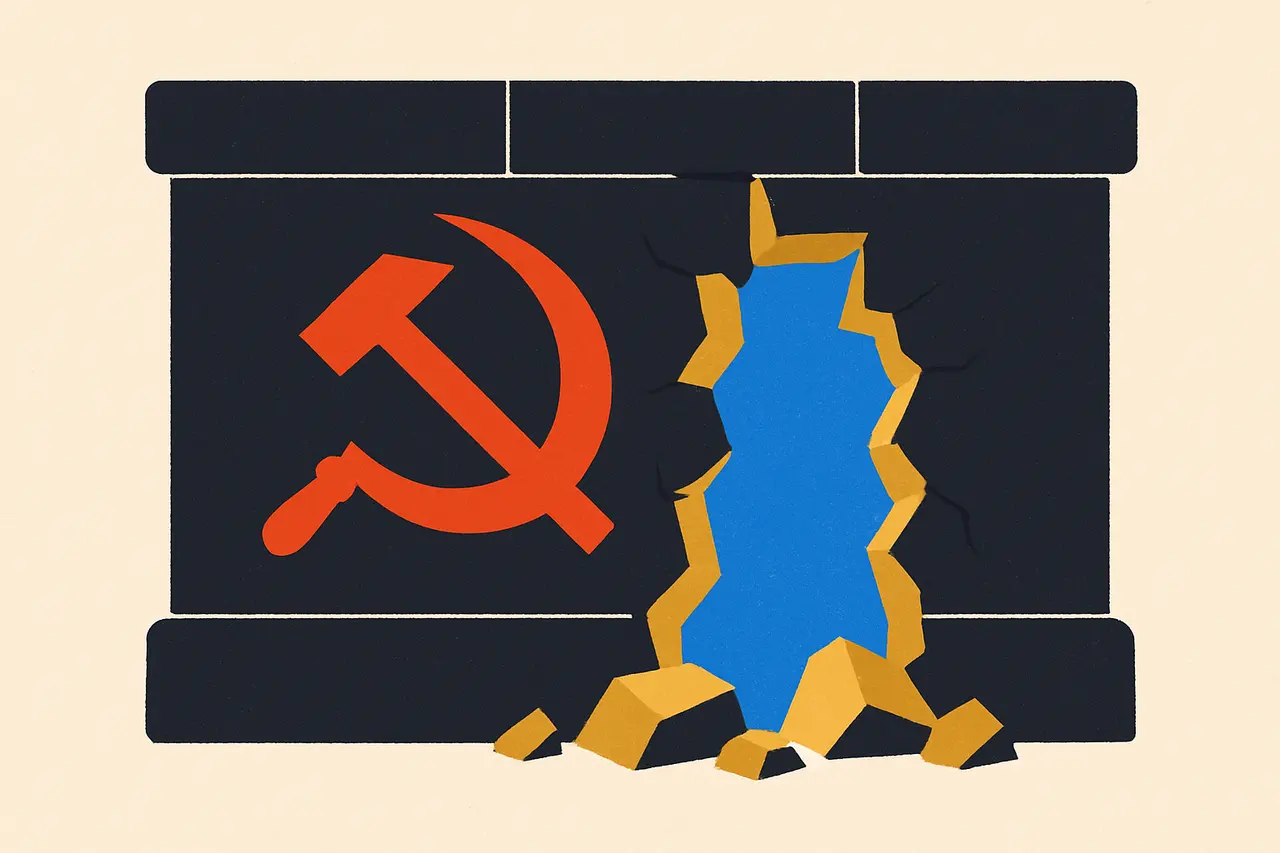
A spokesman's botched announcement opened the border overnight, but the concrete stayed up for months: systematic demolition only began in June 1990.
The Berlin Wall opened on the night of November 9, 1989, hours after East German party spokesman Günter Schabowski told a live press conference that citizens could travel to the West, starting immediately. The new travel rules were real, but some regulations were meant to stay in place; Schabowski failed to say so, and Western media reported, inaccurately, that the border was open.
The mistake landed on a regime already close to collapse. Hungary had demonstratively dismantled its border fence on May 2, 1989, making the first hole in the Iron Curtain, and by November East Germany’s weekly Monday demonstrations had swelled to nearly half a million people. Within two hours of the newsflash, hundreds of East Berliners were at the checkpoints. The first to give way was Bornholmer Strasse, where guards, after some initial restraint, let a steady flow cross the Bösebrücke bridge. Passport checks were eventually abandoned altogether.
The Wall came down months later
What fell that night was the border regime, not the concrete. In the following weeks, “wall peckers” chipped off souvenirs and new crossings punched gaps in the barrier, while the GDR government and its border troops began working out how to market it; pieces were sold all over the world. Systematic demolition started only in June 1990, at Ackerstrasse between Wedding and Mitte, and was basically finished by the end of that year. The same year, East Berlin’s authorities placed the first sections, including the stretch on Bernauer Strasse, under protection as a historical monument.
By then the state that built the Wall was almost gone. Germany was reunified in October 1990, less than a year after the checkpoints opened. The barrier had stood since the barbed wire of August 1961, and less than two and a half years before it opened, Ronald Reagan had stood in West Berlin and challenged Gorbachev to tear it down.
Sources & references
6 referencesWell-established. Corroborated by 3 independent sources.