The Soviet Union Tested Its First Atomic Bomb
On this day · 29 August 1949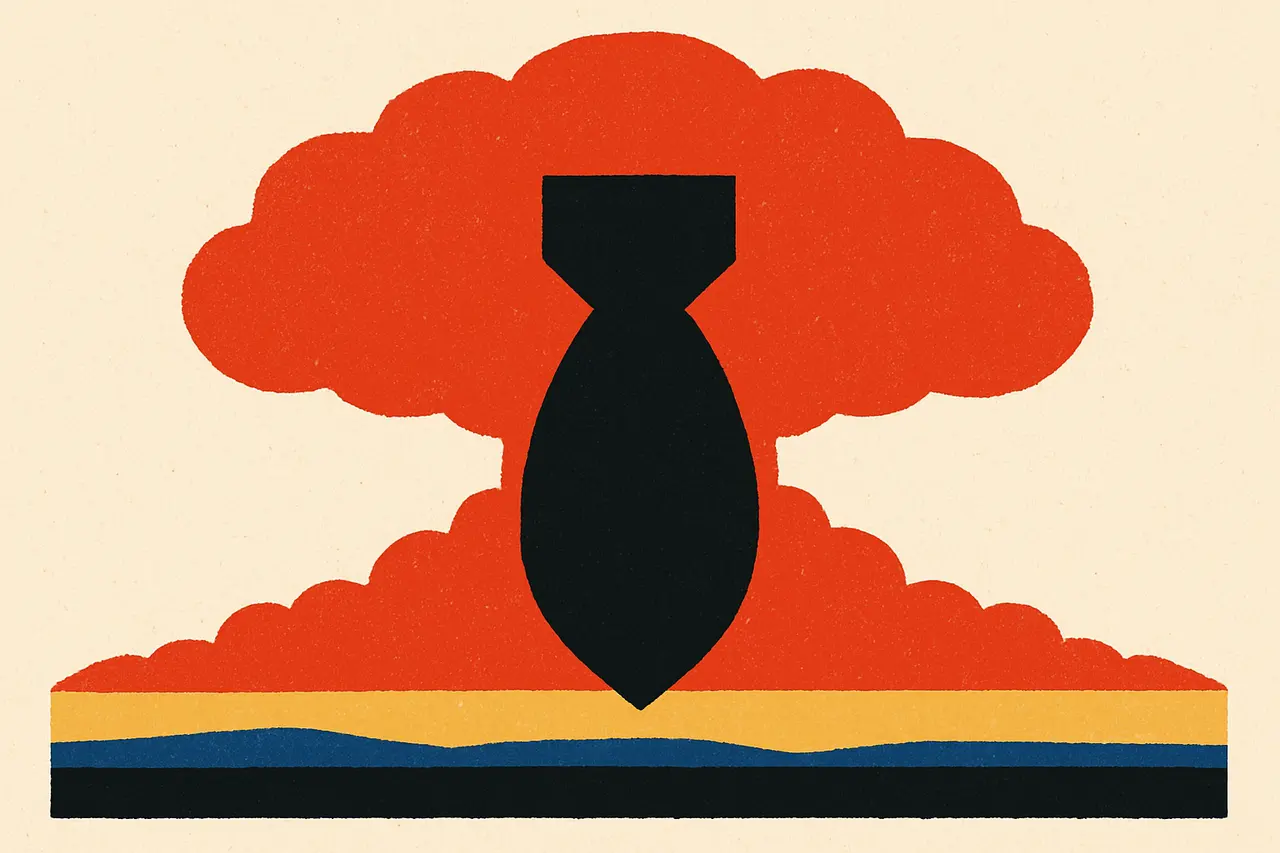
At dawn on a Kazakh steppe, a single blast shattered the American nuclear monopoly and recast the entire Cold War.
On August 29, 1949, the Soviet Union detonated its first atomic bomb at the Semipalatinsk test site in Kazakhstan. The device, codenamed RDS-1 and dubbed “Joe-1” in the West, closely resembled the Fat Man implosion bomb dropped on Nagasaki, mirroring a design Soviet scientists had partly acquired through espionage.
Led by physicist Igor Kurchatov, the project delivered a plutonium weapon yielding roughly 22 kilotons. American leaders had expected the Soviets to need several more years, so the test stunned Washington. Only after a U.S. weather aircraft collected radioactive debris in early September did President Harry Truman announce the news to a shaken public.
In a single morning, the United States ceased to be the world’s only nuclear power.
The blast ended America’s four-year nuclear monopoly and triggered an arms race that defined the Cold War. Within months Truman ordered work on the far more powerful hydrogen bomb, accelerating a decades-long competition that would eventually arm both superpowers with thousands of warheads.
Sources & references
2 referencesWell-established. Corroborated by 2 independent sources.