The atomic bomb was dropped on Hiroshima
On this day · 6 August 1945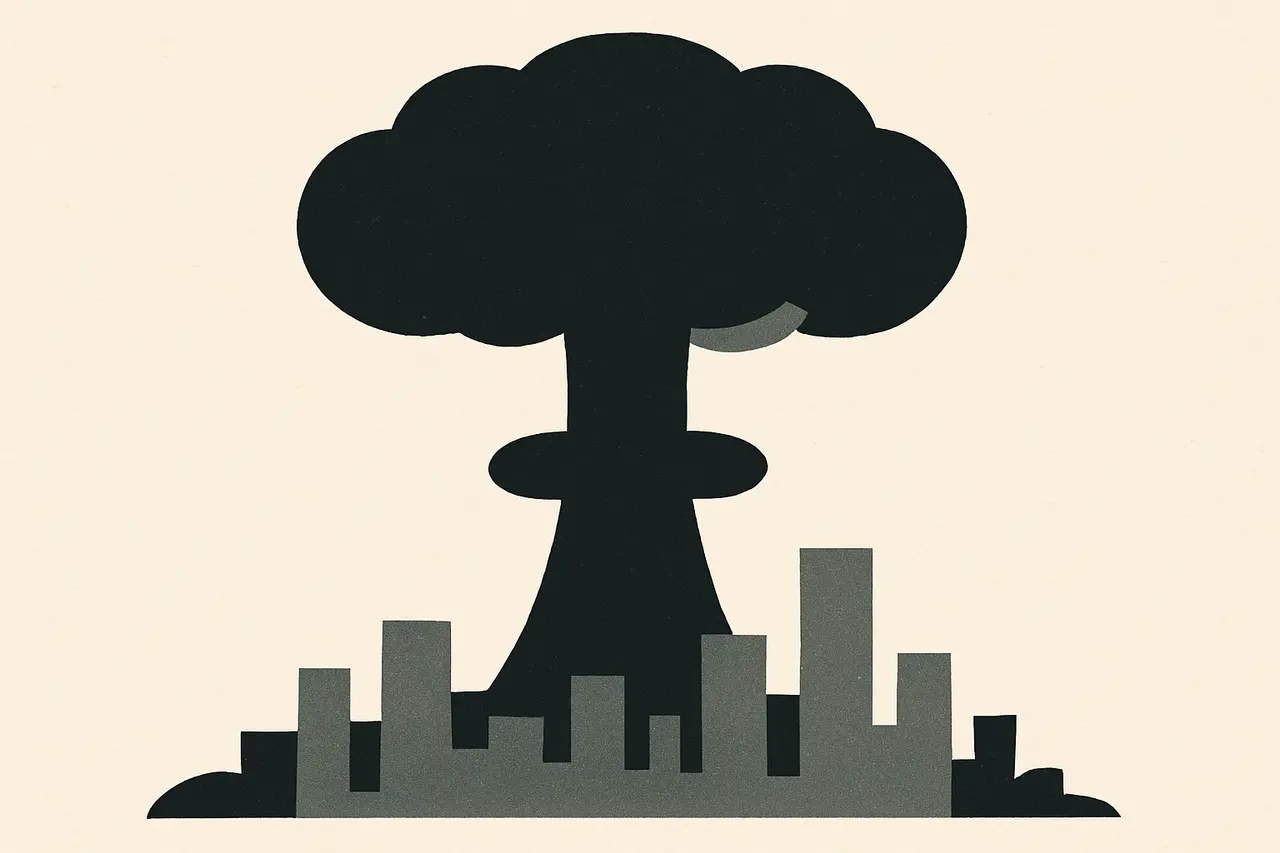
At 8:15 a.m., a single uranium bomb leveled most of a city and opened the nuclear age.
On August 6, 1945, the American B-29 bomber Enola Gay, piloted by Colonel Paul Tibbets, released a uranium gun-type bomb nicknamed “Little Boy” over Hiroshima, Japan. It detonated at about 8:15 a.m. local time with the force of roughly 13,000 tons of TNT.
Hiroshima was chosen partly for its military role as headquarters of Japan’s Second Army, and partly because its flat, compact center would show the weapon’s power most starkly. The blast and firestorm flattened much of the city in seconds.
An estimated 70,000 people died almost immediately; by year’s end the toll likely exceeded 100,000, and over five years may have reached 200,000 as radiation injuries and cancers mounted.
Three days later a second bomb struck Nagasaki. Japan announced its surrender on August 15, ending the Second World War and beginning a long, uneasy debate over nuclear weapons that continues today.
Sources & references
2 referencesWell-established. Corroborated by 2 independent sources.