A 1995 science rocket triggered Russia's nuclear briefcase
On this day · 25 January 1995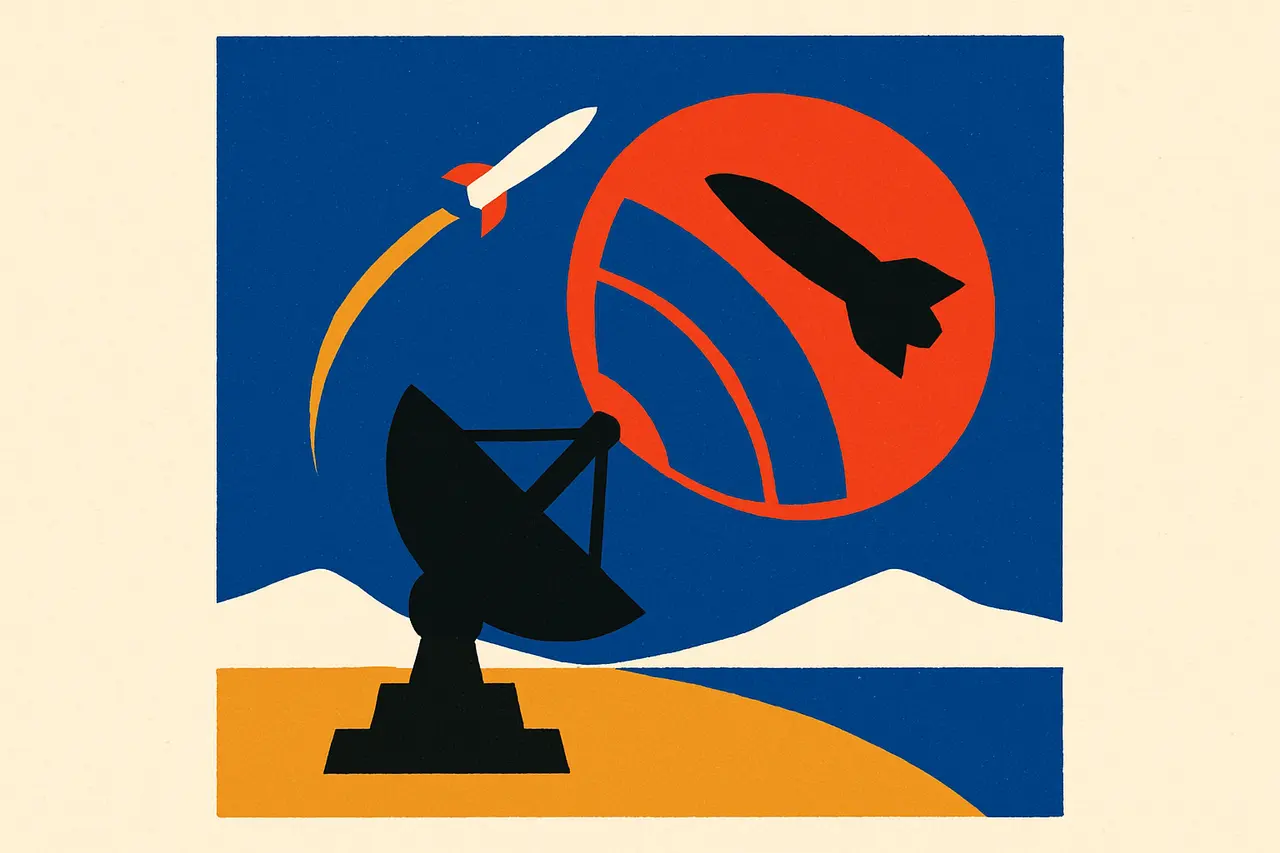
A northern-lights research rocket set off Russia's nuclear briefcases in 1995 because a warning letter got lost. How close did it really come?
On 25 January 1995 a Norwegian–US research rocket, the Black Brant XII, lifted off from Andøya in northern Norway to study the northern lights, and Russian early-warning radar briefly took it for a US submarine-launched nuclear missile. Within minutes President Boris Yeltsin had his nuclear briefcase, the Cheget, activated — the only known time a Russian leader has done so in a real alert.
Why did Russia think it was a missile?
The rocket was bigger than any of the 607 scientific rockets Norway had launched since 1962, and was built with surplus US motors. Climbing in four stages, it looked to the Olenegorsk radar crews like a Trident missile fired from the sea off Norway, a long-assumed attack corridor. A missile launched there could hit the Kola Peninsula, base of Russia’s nuclear-armed submarines, in five or six minutes.
Norway had followed procedure. On 21 December 1994 its Foreign Ministry sent neighbouring countries, Russia included, a routine letter giving a launch window of 15 January to 10 February. It got lost in the Russian bureaucracy and never reached the radar crews.
How close was it to nuclear war?
Less close than the legend suggests. The alert reached all three briefcases — Yeltsin’s, Defence Minister Pavel Grachev’s and Chief of the General Staff Mikhail Kolesnikov’s — and they watched the flight on their terminals until the rocket fell into the sea. Yeltsin publicised the episode himself the next day, announcing that he had used the nuclear briefcase for the first time; many Russians dismissed that as bravado meant to divert attention from the war in Chechnya. Former CIA director James Woolsey gave Congress a cooler reading in 1996, describing the Russian response as:
“Not a full strategic alert, but, at least, a greater degree of strategic inquisitiveness.” — James Woolsey, former CIA director
The worry was the system, not the moment: a misplaced letter had put Russia’s command network into combat mode. Twelve years earlier, a false alarm had been stopped by one Soviet duty officer’s judgment.
Sources & references
2 referencesWell-established. Corroborated by 2 independent sources.