Monitor vs Virginia: the first ironclad battle was a draw
On this day · 9 March 1862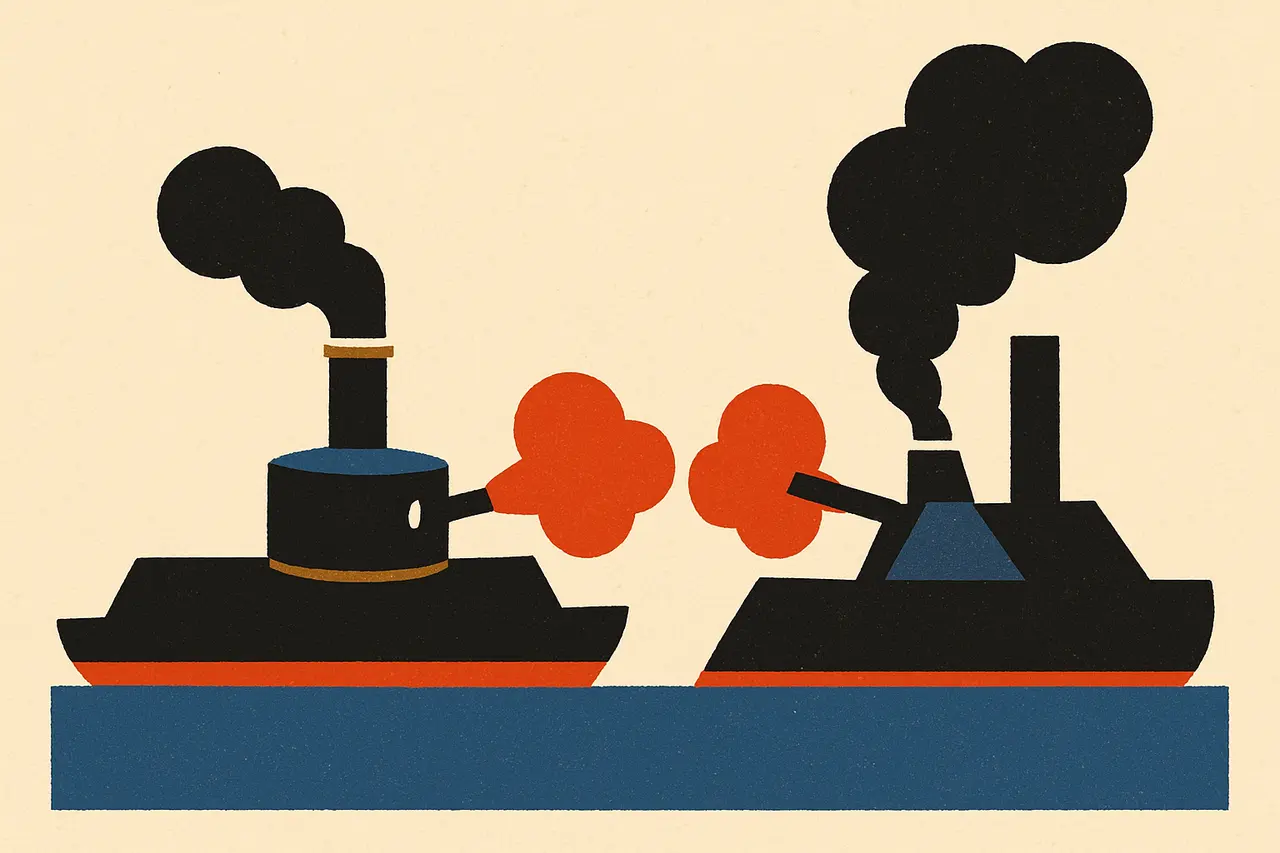
On 9 March 1862 two ironclads fought for hours at Hampton Roads and neither could sink the other. The previous day had been the deadly one.
The first battle between two ironclad warships was fought on 9 March 1862 at Hampton Roads, Virginia. The Union’s USS Monitor and the Confederate CSS Virginia traded fire at close range for about four hours, and the fight ended in a draw.
The day before had been far deadlier. The Virginia was rebuilt from the burned hull of the frigate USS Merrimack. On 8 March she rammed and sank the wooden sloop Cumberland, taking 121 sailors down with her, then shelled the grounded Congress until she surrendered. Union losses over the two days reached 261 killed, and 8 March remained the bloodiest day in American naval history until Pearl Harbor in 1941. The Monitor arrived that night and anchored beside the stranded Minnesota.
| USS Monitor | CSS Virginia | |
|---|---|---|
| Length | 172 ft | 275 ft |
| Main guns | 2 in a revolving turret | 10, mostly in broadside |
| Profile | deck 18 inches above the waterline | sloped iron casemate, like a “floating barn roof” |
| Signature weapon | steam-turned turret | iron ram on the bow |
| Fate | foundered off Cape Hatteras, Dec 1862 | scuttled by her crew, 11 May 1862 |
Neither ship carried armour-piercing shells, so most shots glanced off. The Virginia’s designers had expected exactly that and fitted her with a ram. She tried to ram the Monitor, but the nimbler ship turned away. A shell exploding by the Monitor’s pilot house temporarily blinded her commander, Lt. John Worden. The Monitor pulled back into shallow water, and the Virginia, short of ammunition and facing an ebbing tide, withdrew.
The draw was a strategic win for the Union, because the blockade held. The Navy ordered another 56 monitors. Neither original lasted the year. The Virginia was blown up when Norfolk fell, and the Monitor sank in a storm on 30–31 December 1862, with 16 of her crew lost. A Duke University team located the wreck in 1973 and confirmed it in 1974, and her turret was raised in 2002. The war’s naval experiments kept coming: in 1864 a submarine sank a warship for the first time.
Sources & references
3 referencesWell-established. Corroborated by 3 independent sources.