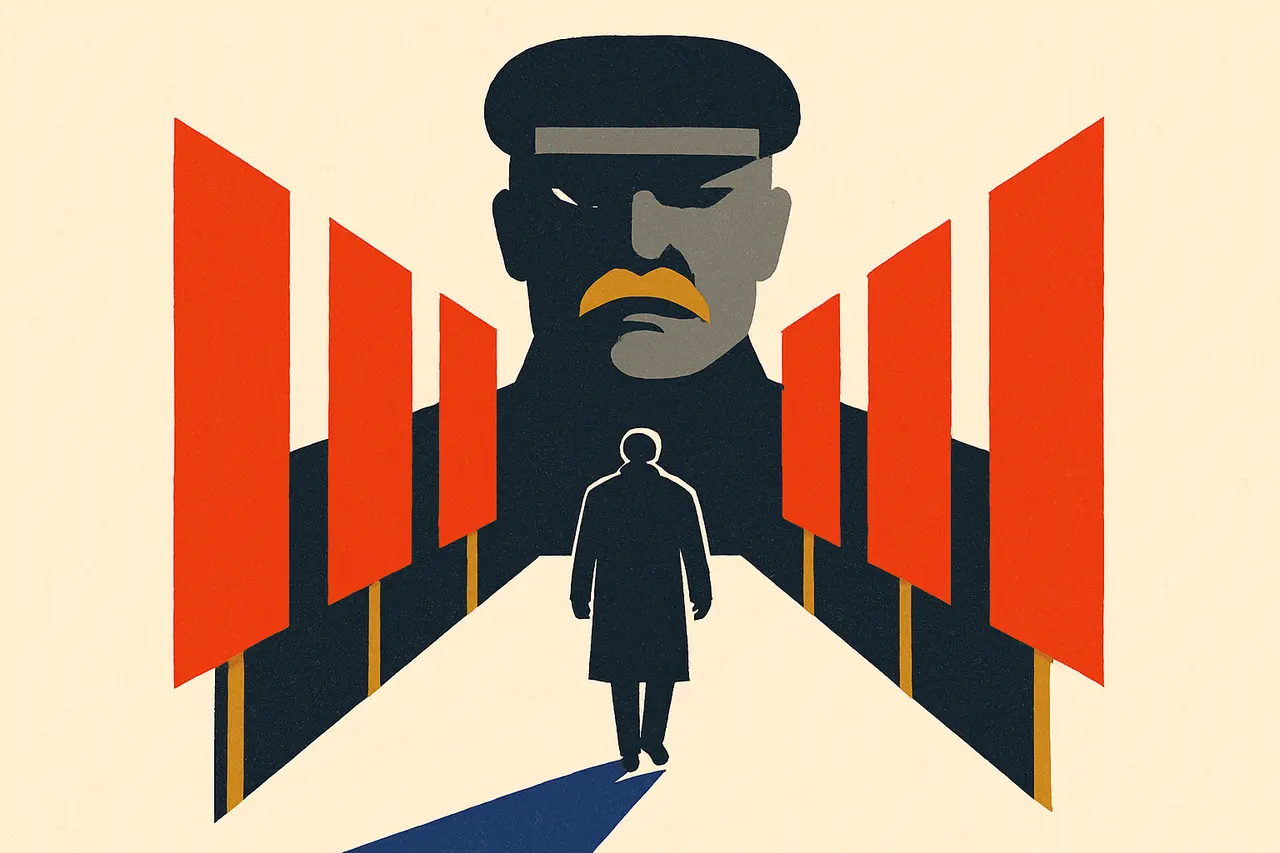
Stanislav Petrov was reprimanded, not rewarded, in 1983
On this day · 26 September 1983
The Soviet officer who dismissed five phantom US missiles was scolded over his logbook, sidelined, and kept secret for over a decade.
Stanislav Petrov, the Soviet duty officer who on 26 September 1983 judged that five “incoming” US missiles on his screens were a false alarm, was given an official reprimand a few days later: not for his decision, but for gaps in his logbook from that night.
The alert came from the Oko satellite early-warning system three weeks after Soviet forces had shot down Korean Air Lines Flight 007, killing all 269 people aboard. Petrov, a lieutenant colonel who had helped write the warning software, told headquarters the system had malfunctioned. After 23 minutes with no explosions he knew he had been right; the satellites had mistaken sunlight reflecting off clouds for launches. The minute-by-minute story of that night in the bunker is told separately.
Did Petrov have his finger on the button?
No. He had no power to launch anything. His job was to register apparent enemy launches and pass them up to the military and political leadership, who would decide on retaliation. What he did was decline to report an alert the computers rated at the highest reliability, strictly a breach of his instructions. He later put his chances of being right at 50-50, and believed a colleague trained purely as a soldier would have raised the alarm.
“They were lucky it was me on shift that night.” (Stanislav Petrov, speaking to BBC Russian in 2013)
What happened to him afterwards?
The episode exposed flaws in the warning system and embarrassed his superiors. He was denied promotion, reassigned, and took early retirement, and the story stayed inside the Soviet military until the late 1990s. Recognition came late: an award from the Association of World Citizens in 2006, the Dresden Peace Prize in 2013, and a 2007 visit to a decommissioned US Minuteman launch-control centre in South Dakota. He died in May 2017, aged 77, a death the world learned of only that September. A later scare, the 1995 Norwegian rocket incident, showed such false alarms were not a one-off.
Sources & references
4 referencesWell-established. Corroborated by 4 independent sources.