The Paris Peace Conference met in Paris, not Versailles
On this day · 18 January 1919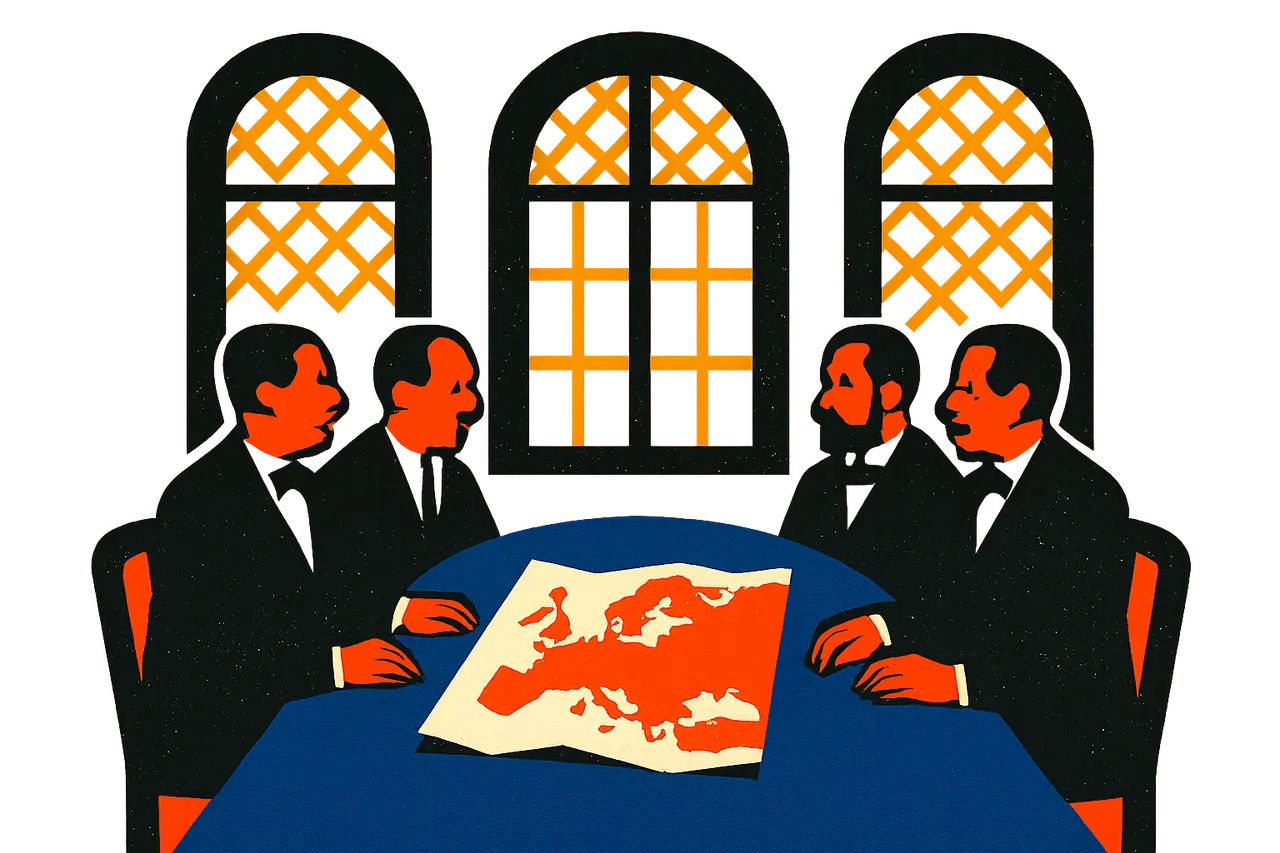
The 1919 conference opened at the French foreign ministry on 18 January — a date Poincaré used to needle Germany, which wasn't invited.
The Paris Peace Conference opened at 3 p.m. on 18 January 1919 in the Peace Rooms of France’s Ministry of Foreign Affairs on the Quai d’Orsay — in Paris, not at Versailles, where it is often placed. The palace only staged the signing of the German treaty on 28 June 1919 in the Hall of Mirrors, five years to the day after the assassination in Sarajevo.
The opening day fell on an anniversary, and President Raymond Poincaré told the delegates:
“Born in injustice, it has ended in opprobrium.” — Raymond Poincaré, on the German Empire, proclaimed at Versailles on 18 January 1871
Who got a seat
The French diplomatic archives record 27 states represented, with seats rationed by status:
| Seats per delegation | Who |
|---|---|
| 5 | France, United States, British Empire, Japan, Italy |
| 3 | Belgium, Brazil, Serbia |
| 2 | China, Greece, Hedjaz, Poland, Portugal, Romania, Siam, Czechoslovakia; also Australia, Canada, South Africa and India |
| 1 | Cuba, Guatemala, Haiti, Honduras, Liberia, Nicaragua, Panama, Bolivia, Ecuador, Peru, Uruguay; also New Zealand |
| 0 | Germany, Austria-Hungary and the Ottoman Empire — not invited |
That last row was deliberate. The archives contrast it with 1814–15, when defeated France’s Talleyrand had shaped the settlement; this time the fate of three empires was decided in their absence. Russian representation was left pending. Would-be participants such as Egypt, Armenia and Persia had to petition the conference by letter to have their claims heard.
The full sessions mostly rubber-stamped. Real power lay with the Big Four — Clemenceau, Lloyd George, Wilson and Orlando — who, by the Peace Palace Library’s count, met informally 145 times and took the major decisions for the others to ratify. The leaders had stopped working on the conference by mid-1919, but the treaty-making it started ran on until the Treaty of Lausanne in July 1923.
Sources & references
3 referencesWell-established. Corroborated by 3 independent sources.