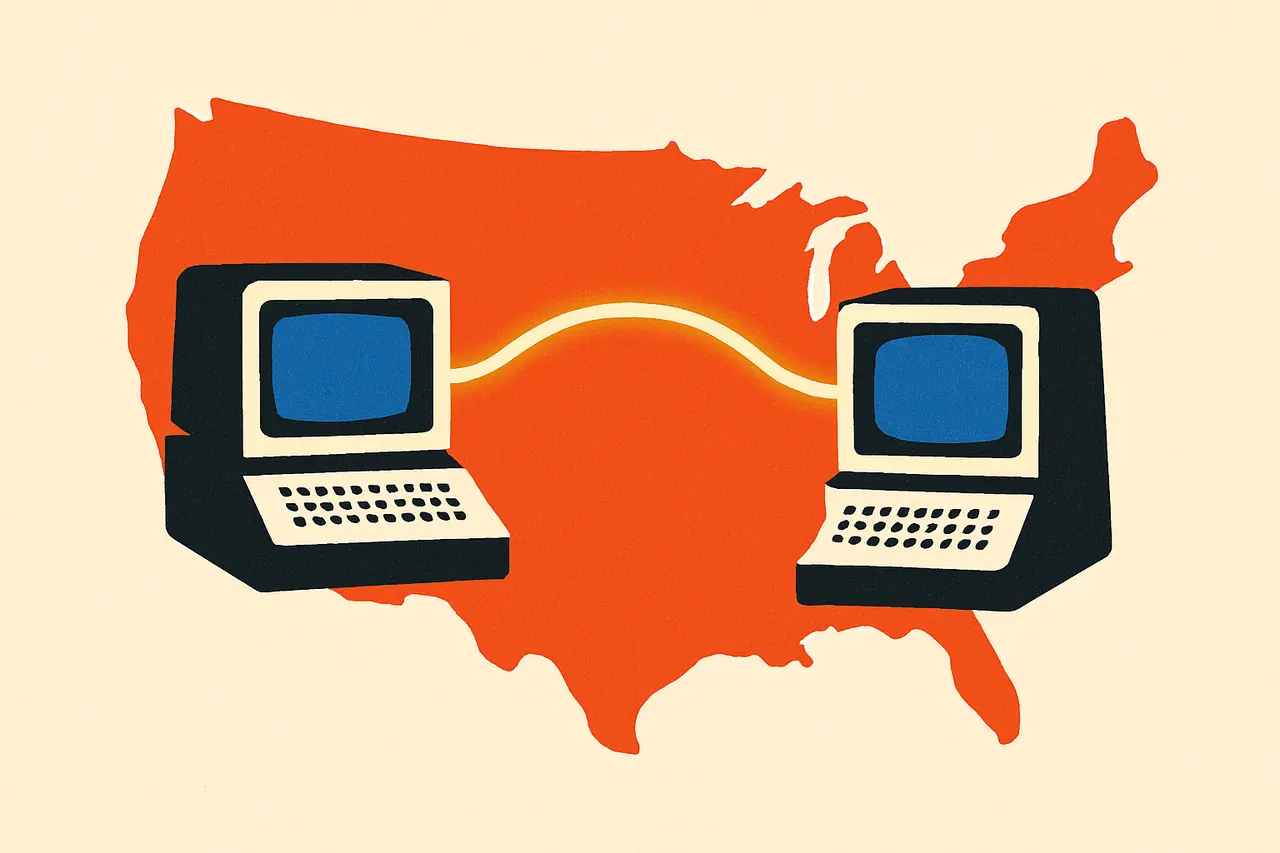
The Morris Worm became one of the first internet worms
On this day · 2 November 1988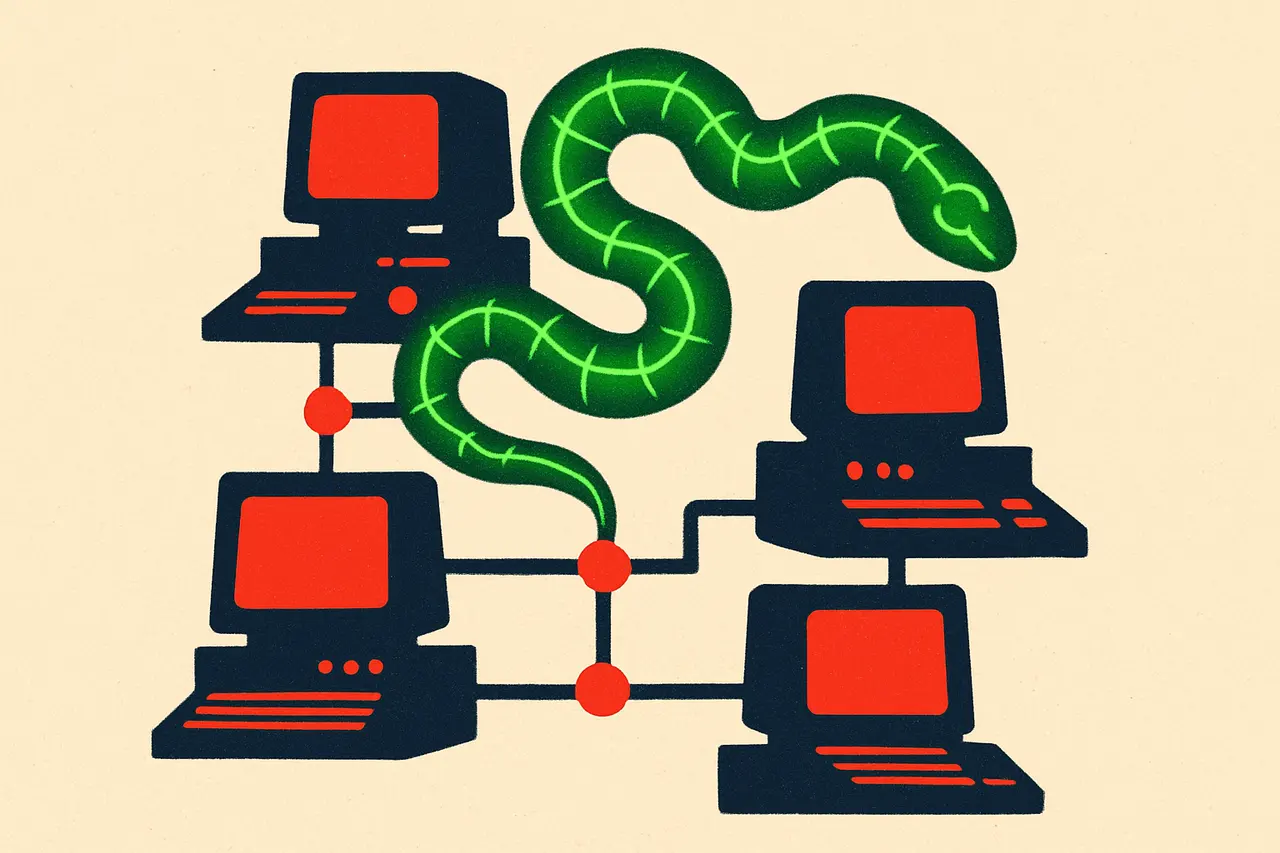
A graduate student's experiment escaped its cage one autumn night and brought the early internet to its knees within hours.
On the night of November 2, 1988, a self-replicating program slipped onto the early internet and refused to stop spreading. Written by Robert Tappan Morris, a Cornell graduate student, the worm exploited weaknesses in Unix systems and copied itself far faster than its author intended. A flaw in its logic made it reinfect machines repeatedly, choking them with runaway processes.
At the time, only about 60,000 computers were connected to the network, used mostly by universities, research labs, and government bodies. Within roughly 24 hours, an estimated 6,000 machines had ground to a halt. Administrators scrambled, disconnecting whole sites to stop the contagion.
A single experiment exposed how fragile a trusting, wide-open network could be.
The fallout reshaped computing. The episode spurred the creation of the first coordinated computer emergency response team, and Morris became the first person convicted under the U.S. Computer Fraud and Abuse Act. Decades on, the Morris Worm is remembered as the moment cybersecurity became unavoidable.
Sources & references
2 referencesWell-established. Corroborated by 2 independent sources.