The internet's first message was meant to be "login" — but it crashed at "lo"
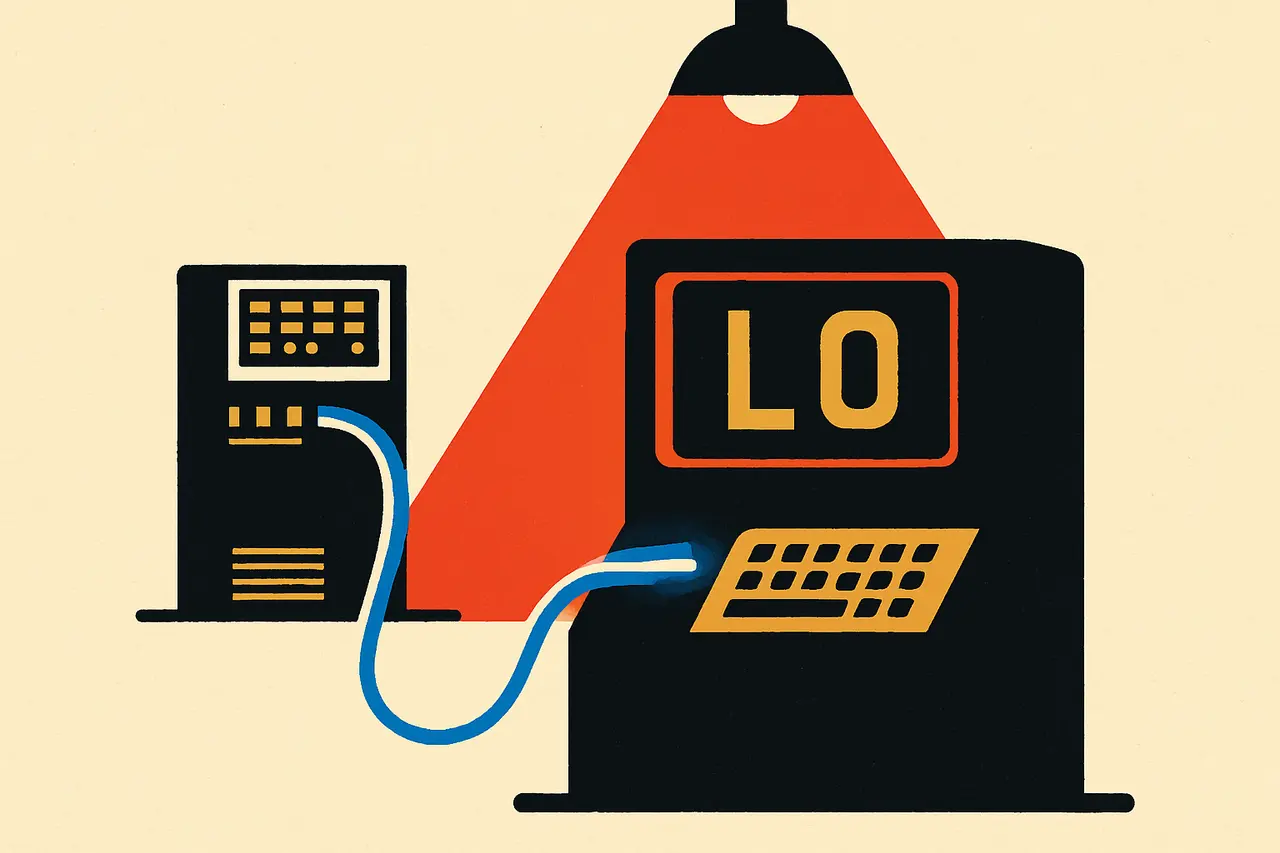
In 1969, the first words ever sent between two computers were cut short by a crash, leaving an accidental "lo."
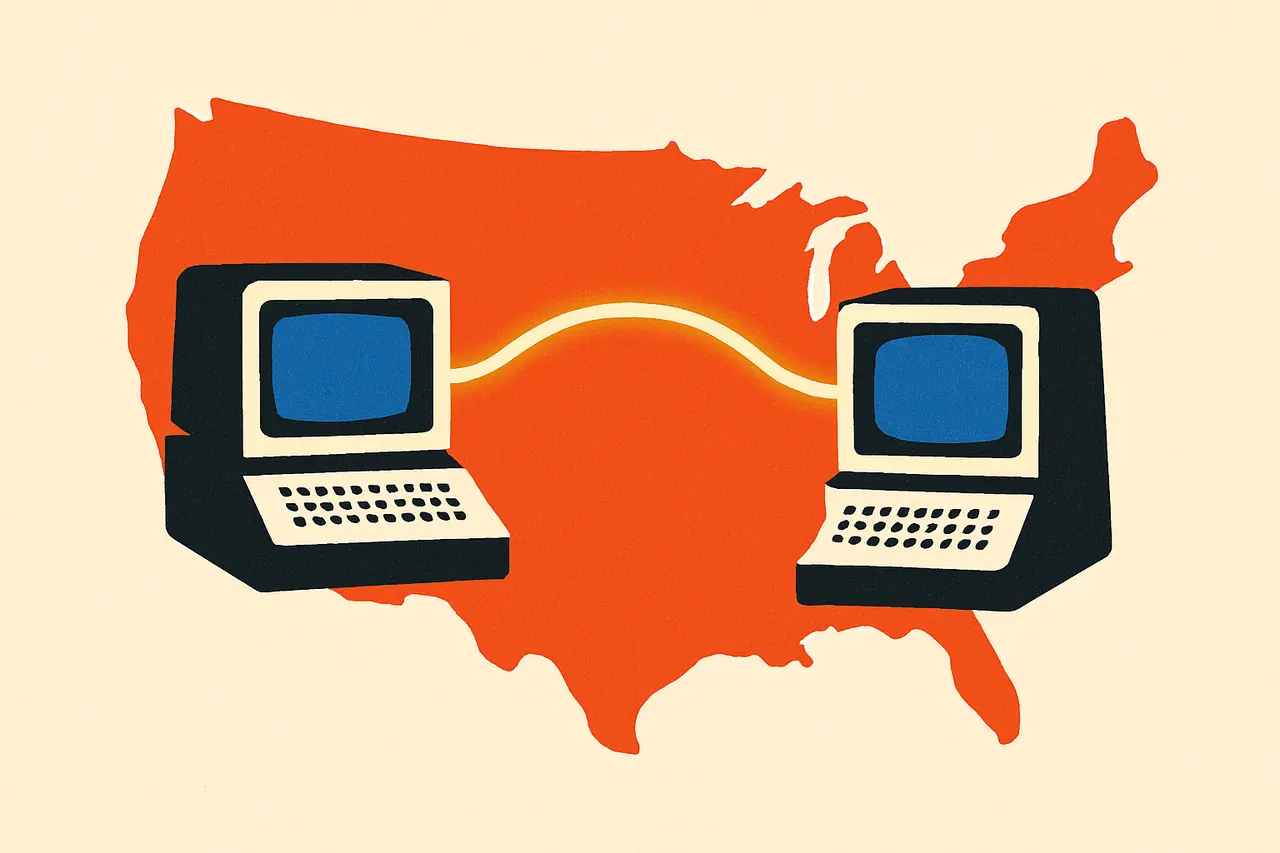
At 10:30 p.m. on 29 October 1969, a 21-year-old UCLA graduate student named Charley Kline sat down to connect his computer to a machine 350 miles away at the Stanford Research Institute. The link ran over ARPANET, the research network funded by the US Defense Department that would grow into the internet.
Kline began typing the word “login” so the remote machine would let him in. He got as far as the “l” and the “o” — and then the system crashed.
They succeeded in transmitting the ‘l’ and the ‘o’ and then the system crashed. Hence, the first message on the Internet was ‘lo.’
About an hour later the bug was fixed and the full login went through. Decades on, Kline’s supervisor Leonard Kleinrock liked to point out that “lo” was a happy accident — the opening of “lo and behold.” A more prophetic first word, he argued, could hardly have been chosen.
Sources & references
2 referencesWell-established. Corroborated by 2 independent sources.