The World Wide Web was invented at a physics lab to help scientists share documents
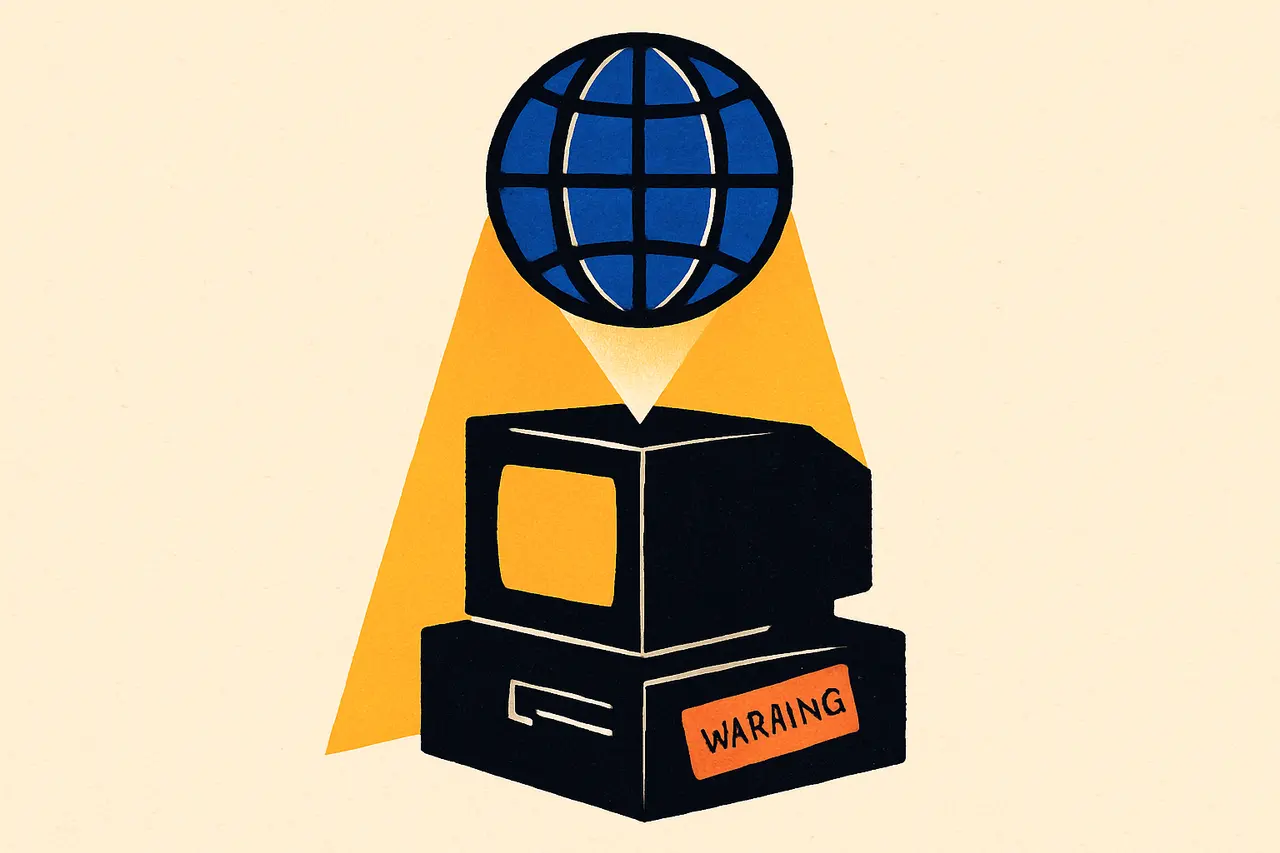
The web began as a "vague, but exciting" memo at CERN — and the world's first website ran on a computer nobody was allowed to switch off.
In March 1989, a British computer scientist named Tim Berners-Lee handed his boss at CERN, the particle-physics laboratory near Geneva, a proposal for managing the lab’s tangled mess of documents. His manager scrawled two words across the top: “Vague, but exciting.”
From that memo, Berners-Lee built the core technologies that still run the web today: HTML for writing pages, HTTP for fetching them, and the URL to give every page an address. By the end of 1990 he had the first browser and server working.
The world’s first website, hosted at info.cern.ch, simply explained what the project was. It ran on a single NeXT computer so important that someone taped a warning to it in red ink:
This machine is a server. DO NOT POWER IT DOWN!!
Crucially, Berners-Lee and CERN gave the web away for free, with no patent and no royalties — a decision that let it spread across the planet.
Sources & references
2 referencesWell-established. Corroborated by 2 independent sources.