Humans have lived in space nonstop since November 2000
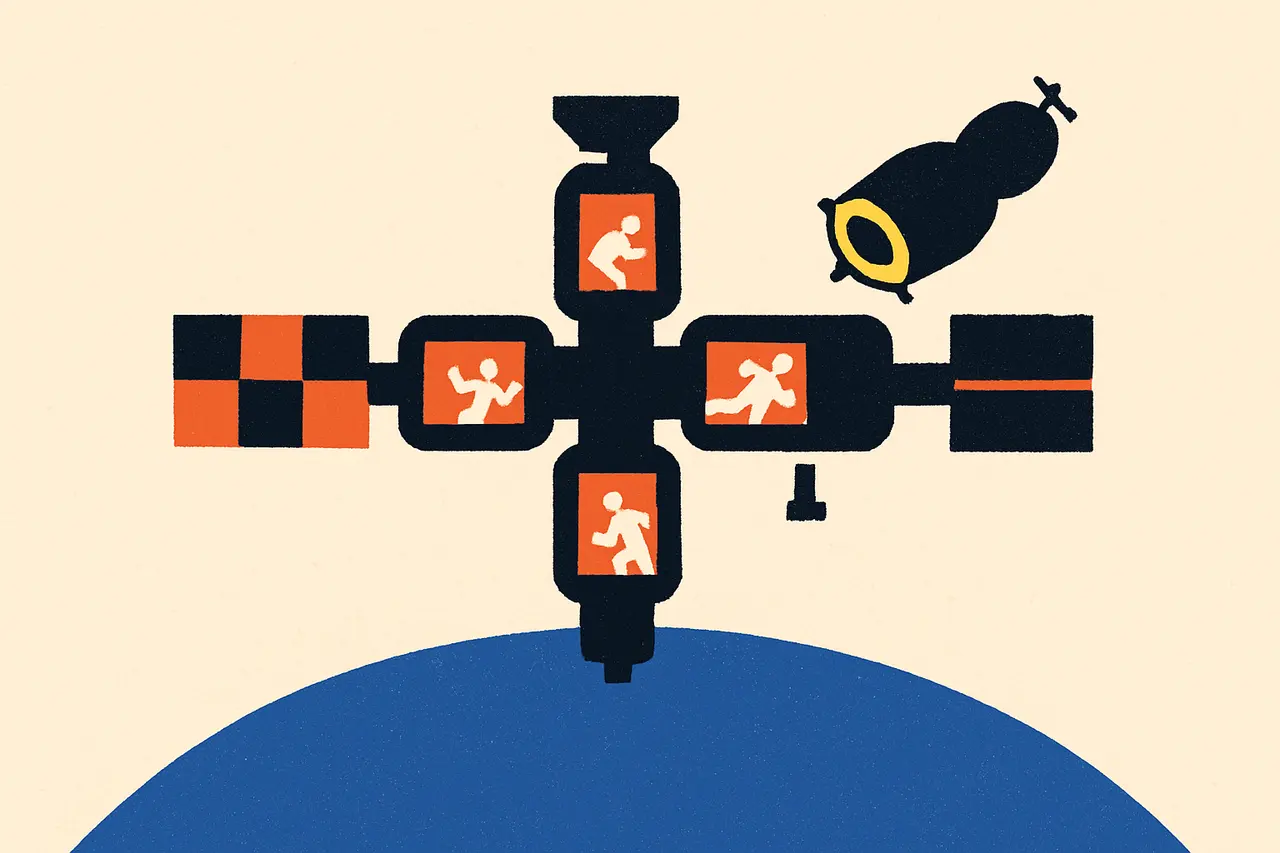
Since Expedition 1 boarded the ISS on November 2, 2000, someone has always been in orbit, but NASA's plan to retire the station puts an end date on its run.
Humans have lived in space without a break since November 2, 2000, when the first resident crew, Expedition 1, boarded the International Space Station; there has been someone aboard ever since.
That crew was NASA astronaut Bill Shepherd and Russian cosmonauts Yuri Gidzenko and Sergei Krikalev, who had launched two days earlier from Baikonur in Kazakhstan aboard a Soyuz. Their spacecraft docked at 12:00 Central European Time, and the three men floated in, turned on the lights and set up life support and a TV link. Over 136 days they brought the station’s systems to life and hosted three visiting shuttle crews that added hardware.
The streak so far
- November 2, 2000: Expedition 1 boards the station.
- March 2001: the first crew hands over to Expedition 2 and flies home on shuttle Discovery.
- May 2020: the first commercial crew arrives, on SpaceX’s Crew Dragon.
- 2022–23: Frank Rubio’s 371-day stay becomes the longest single spaceflight by an American.
- November 2, 2025: the station marks 25 years of continuous occupation.
In that time at least 290 people from 26 countries have visited, each crew handing the station to the next while it circles Earth about every 90 minutes.
But the streak does have a planned ending. NASA has committed to operating the station through 2030 and has hired SpaceX to build a U.S. Deorbit Vehicle to steer it into a remote ocean area. Under NASA’s plan the final burn comes only once all crew have returned to Earth, so whether humanity’s unbroken presence in orbit outlives the ISS depends on another station, such as China’s Tiangong or a commercial successor, being crewed when it goes.
Sources & references
5 referencesWell-established. Corroborated by 3 independent sources.