The BBC launched the world's first regular high-definition TV service
On this day · 2 November 1936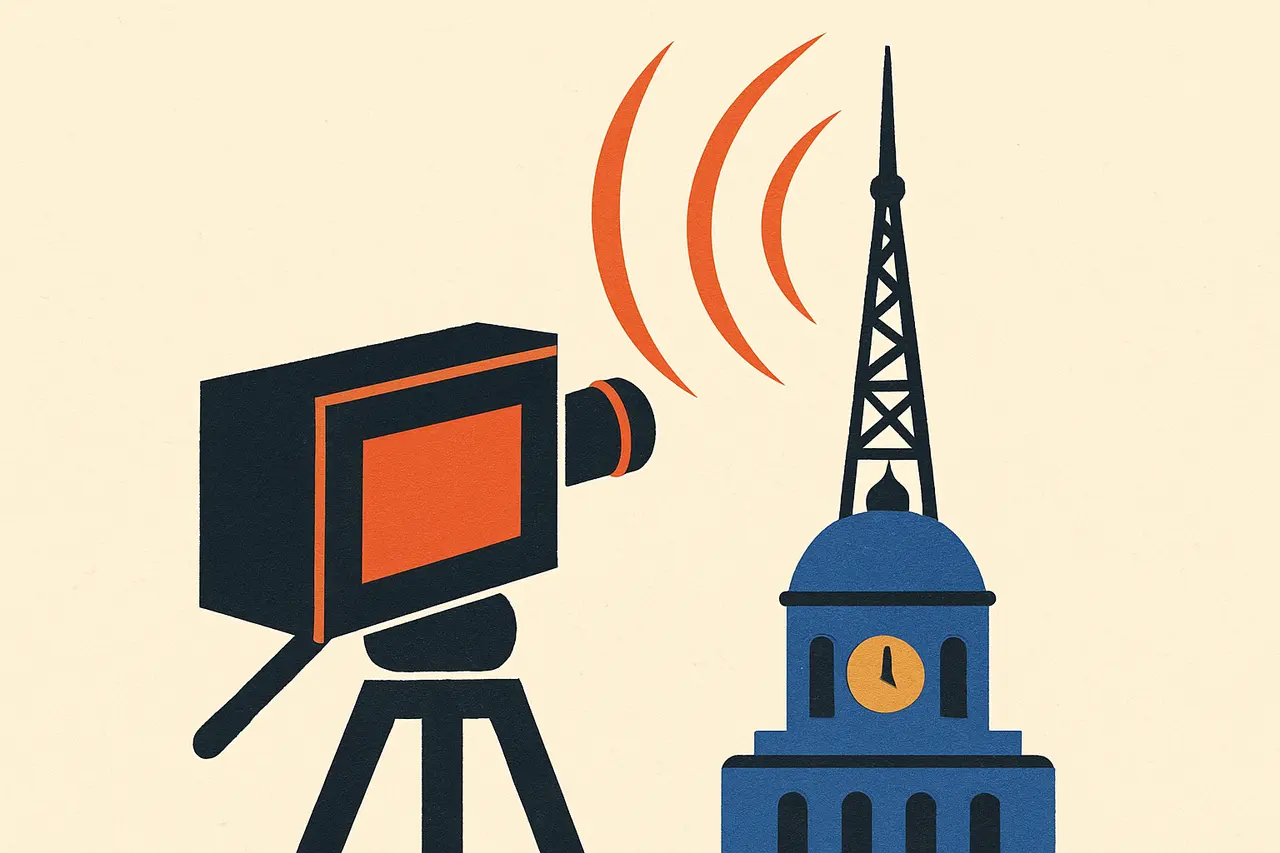
On November 2, 1936, the BBC began broadcasting from Alexandra Palace, inventing television as a daily public service.
On November 2, 1936, the BBC began regular broadcasts from Alexandra Palace in north London, the world’s first public, regular, high-definition television service. “High definition” meant something different then: not pixels, but a picture sharp enough to count as real television rather than the flickering experiments that came before.
The launch was also a contest. The BBC ran two rival systems in parallel, the Baird 240-line setup in one studio and Marconi-EMI’s 405-line electronic system in another, alternating week by week. A coin toss decided which went first on opening night. The electronic system was plainly better, and by February 1937 the Baird method was dropped, leaving 405 lines as Britain’s standard for years.
The schedule was modest, an hour or two a day to the few thousand households with a set. But the idea, a fixed channel broadcasting moving pictures on a daily timetable, is the one the entire later century of television was built on.
Sources & references
2 referencesWell-established. Corroborated by 2 independent sources.