Australia Day marks Sydney Cove, not the First Fleet's arrival
On this day · 26 January 1788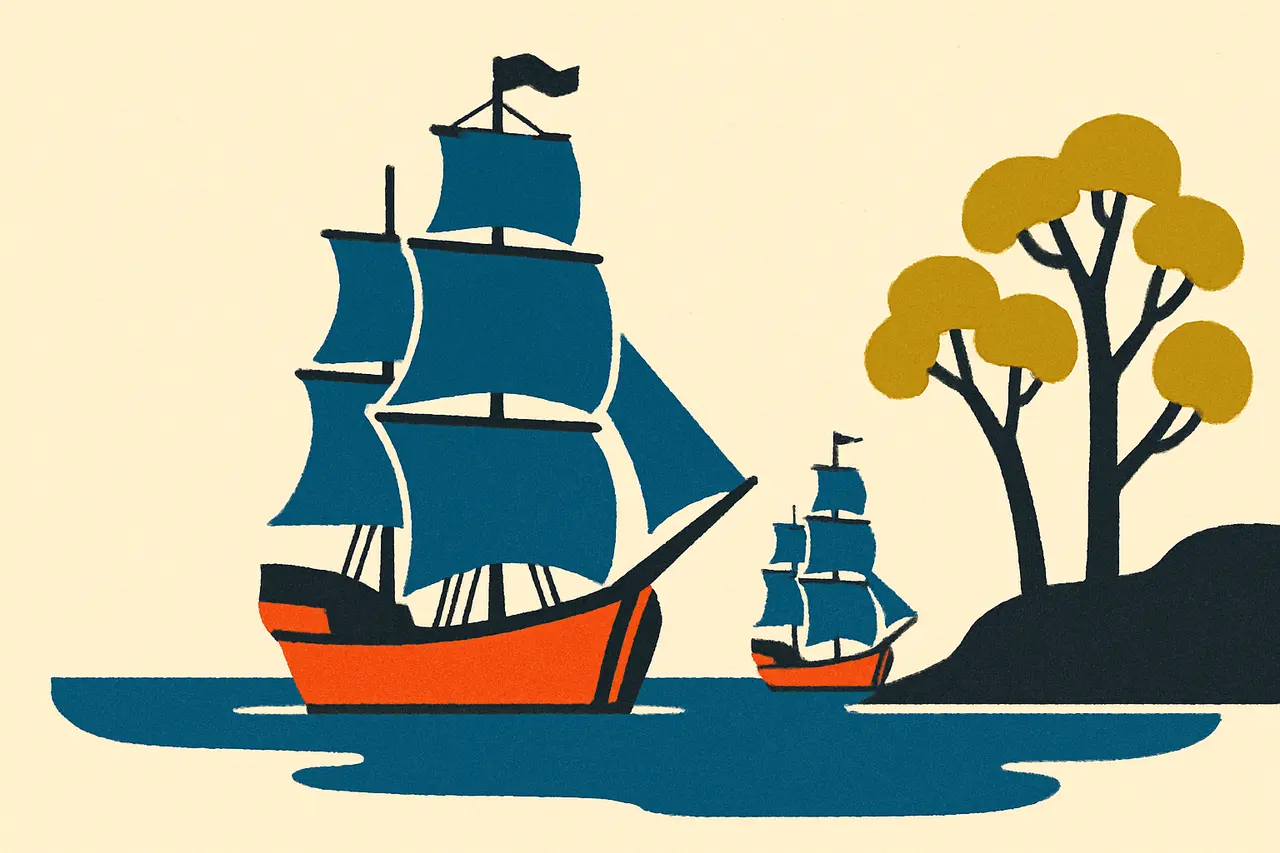
The fleet reached Botany Bay on 18 January 1788 and judged it unfit; the 26 January date is when it settled at Sydney Cove instead.
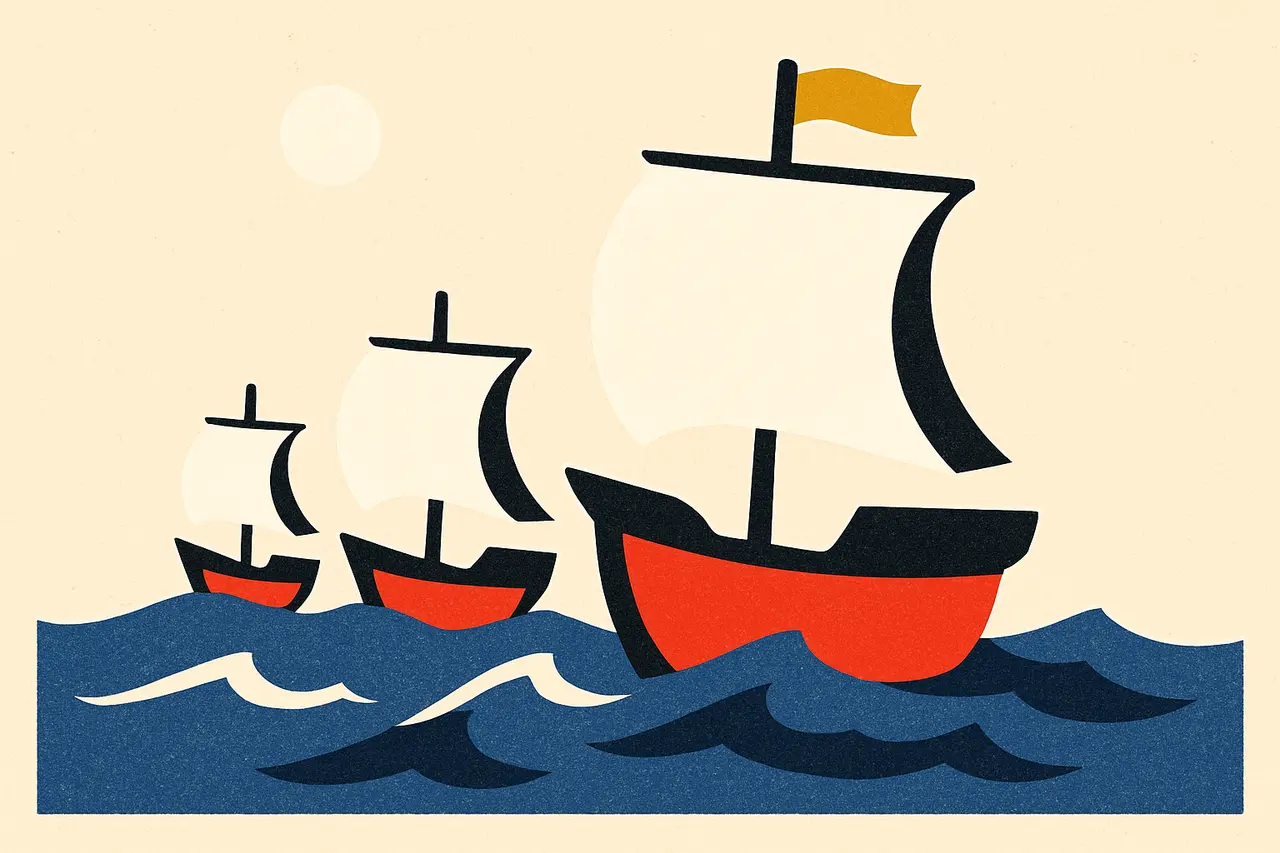
January 26, 1788, the date Australia Day commemorates, is when the First Fleet settled at Sydney Cove in Port Jackson, not when it arrived. Its ships had sailed into Botany Bay, a few leagues to the south, between 18 and 20 January, and Captain Arthur Phillip moved the convoy north on 25 and 26 January after finding Botany Bay unfit for a settlement.
The fleet of 11 ships, two naval vessels and nine merchant ships (six of them convict transports), had left Portsmouth on 13 May 1787 with almost 1,400 people aboard, about 775 of them convicts. Phillip judged that Botany Bay’s sandy soil and limited water could not support them. He chose Sydney Cove for its freshwater stream, later called the Tank Stream, and for water deep enough to unload large ships close to shore. Cook had named Port Jackson in 1770; the cove took the name of Lord Sydney, the Home Secretary whose department organised the expedition.
What did Britain tell Phillip about the people already there?
Very little that protected them. Governor Phillip’s Instructions of 25 April 1787 are the first official British document on occupying Australia, and the original has never been located. A draft located in London shows the word “Savages” corrected to “Natives”. The Instructions told Phillip to protect Aboriginal people’s lives and livelihoods and to encourage friendly relations, but made no mention of protecting, or even recognising, their land. That silence rested on the doctrine of terra nullius, “land belonging to no one”, which the High Court rejected in the Mabo decision two centuries later.
The ground Phillip claimed belonged to the Gadigal people. That is why the anniversary divides Australians: for many First Nations people, 26 January is Invasion Day, the name carried by marchers in Redfern during the 1988 bicentenary.
The British had walked those Botany Bay beaches once before, eighteen years earlier, when James Cook came ashore there in 1770, on the voyage that made it Britain’s chosen site in the first place.
Sources & references
3 referencesWell-established. Corroborated by 3 independent sources.