The brain can't feel pain — so why do headaches hurt?
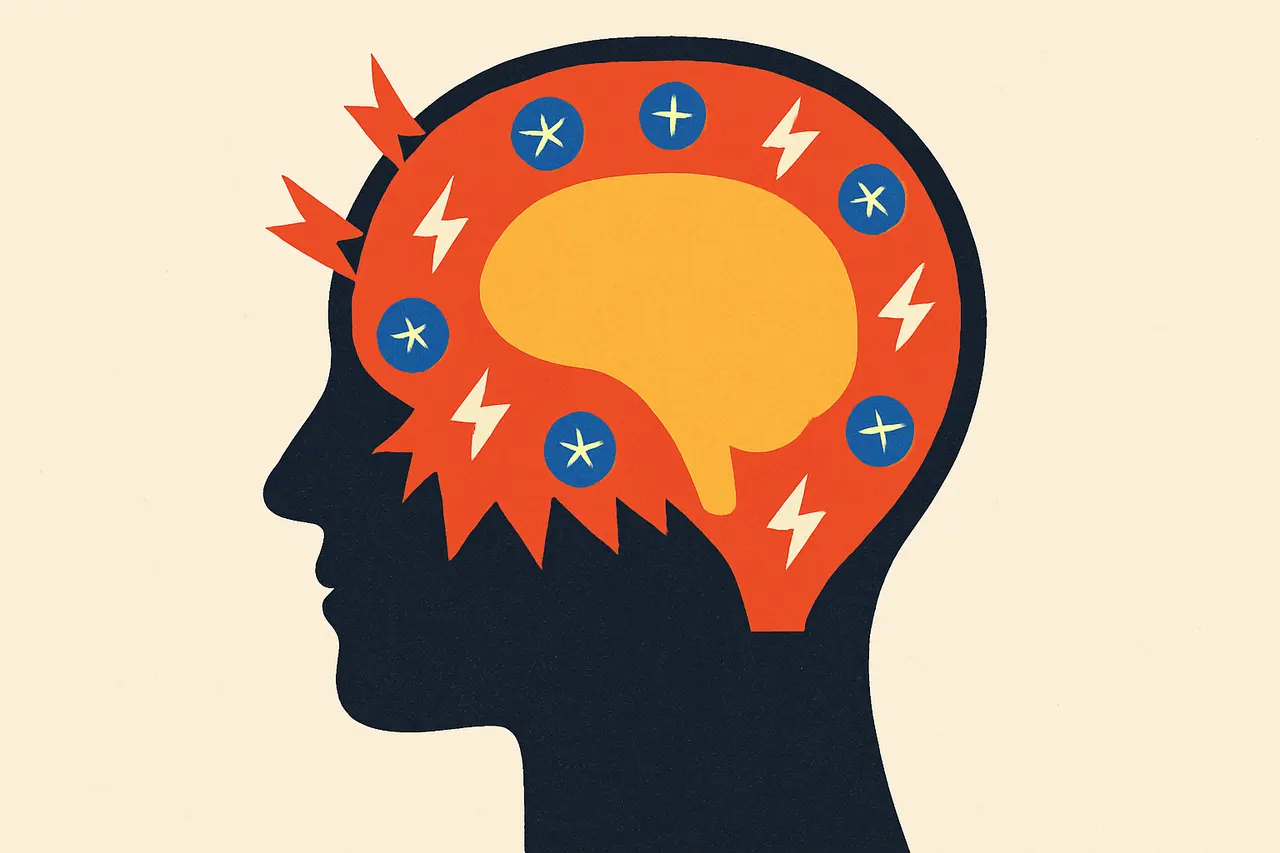
Brain tissue has no pain sensors, which is why surgeons can operate on awake patients — and why every headache starts in the tissues around it.
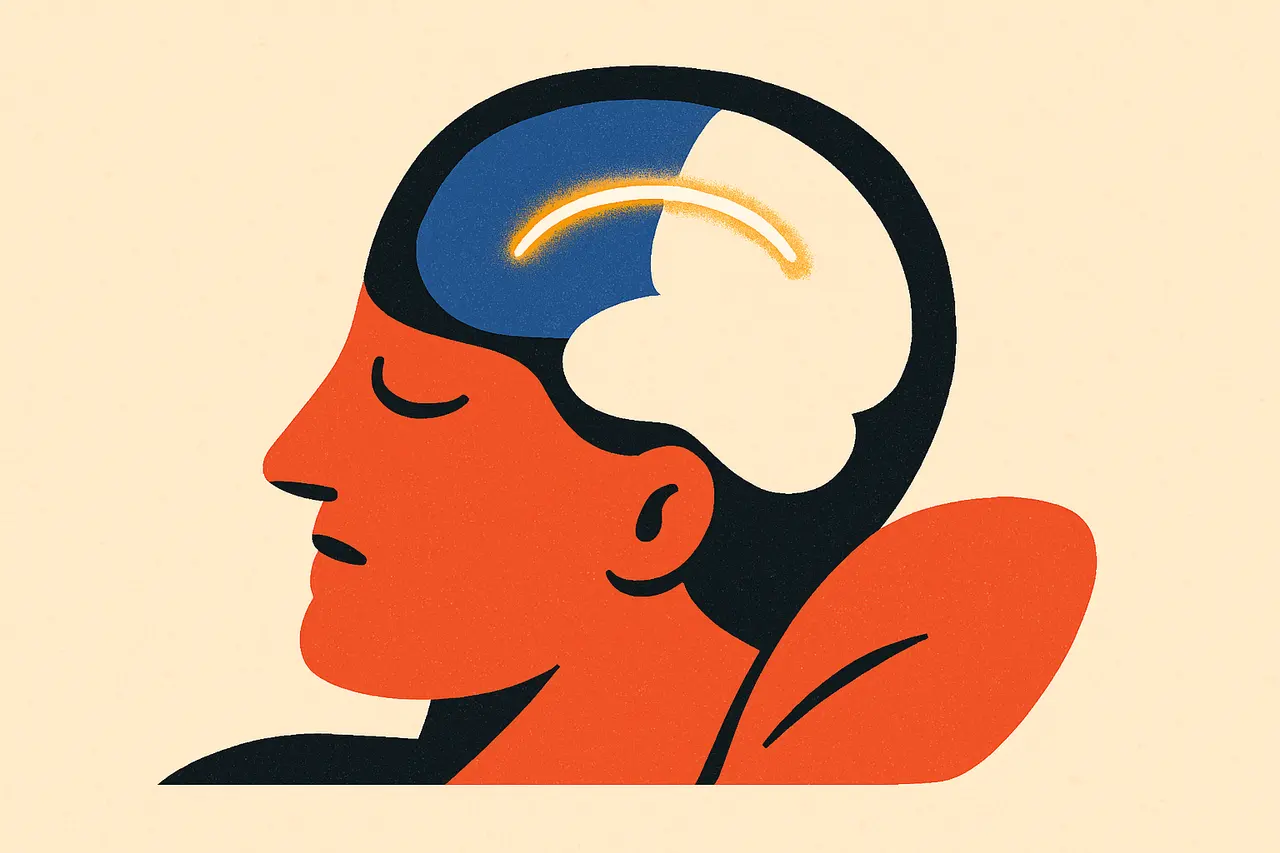
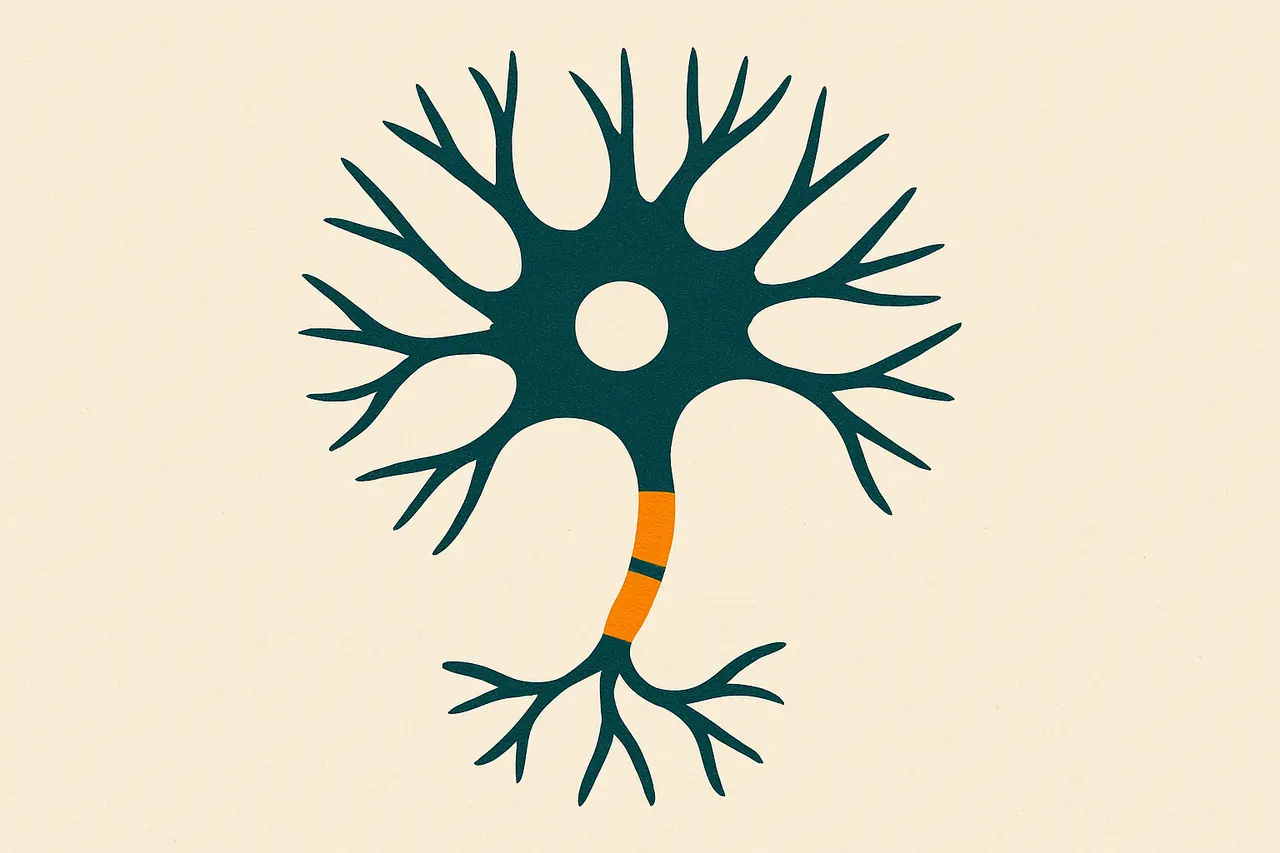
The brain tissue itself has no nociceptors, the nerve endings that detect damage, so the organ that registers every ache in your body cannot feel a scalpel touching it. Pain from inside the head comes instead from the structures around the brain: the meninges, blood vessels, muscles and the nerves of the face and neck.
That is why surgeons can operate on a conscious patient. In an awake craniotomy, the scalp is numbed with local anaesthetic and the patient is sedated while the skull is opened, then woken once the brain is exposed. Surgeons pass small electrical currents through tissue around a tumour while the patient counts, reads or names pictures. Stimulating a motor area twitches a muscle, a sensory area produces a tingle, a language area briefly stops speech — and none of it hurts. UCSF’s neurosurgery team alone has performed more than 1,200 of these operations since 1998, typically lasting 4 to 8 hours.
So a headache is not your brain aching. It is nociceptors in the coverings, vessels and muscles of the head firing, with the brain interpreting their signals. In that sense the brain is the only organ that “feels” pain at all, even though it cannot sense an injury to itself.
The boundary has moved
For about 70 years, the textbook view held that pain sensitivity inside the skull was limited to the dura mater, the tough outer membrane, and its vessels. Between 2010 and 2017, a French team from Inserm and Nice University Hospital asked 53 awake-craniotomy patients to report any pain as surgeons worked. Touching the pia mater, the delicate innermost layer clinging to the brain’s surface, and its small vessels triggered brief, intense pain, mostly felt around the forehead and eye.
The brain tissue still felt nothing. But the pain-sensitive border sits closer to it than surgeons had assumed, and the researchers suggest those structures may play a part in headache and migraine.
Sources & references
3 referencesWell-established. Corroborated by 3 independent sources.