How sleep moves memories from the hippocampus to the cortex
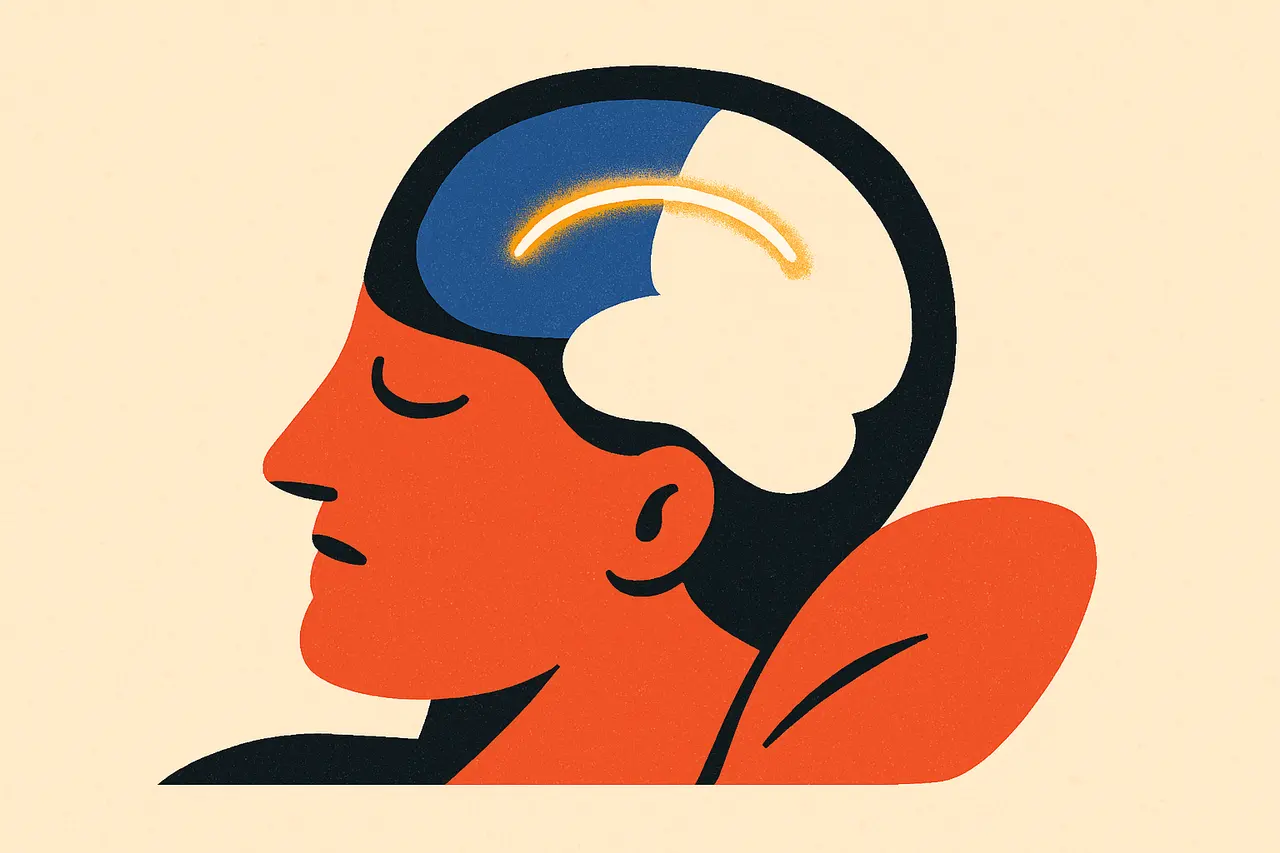
During deep sleep the brain replays the day's memories and shifts them into long-term storage, and a scent can steer it.
Much of the work of making a memory last happens while you sleep: during deep slow-wave sleep, the brain repeatedly replays newly learned material and gradually shifts it from the hippocampus, a fast temporary store, to the neocortex, where connections are strengthened for the long term. Researchers call this system consolidation.
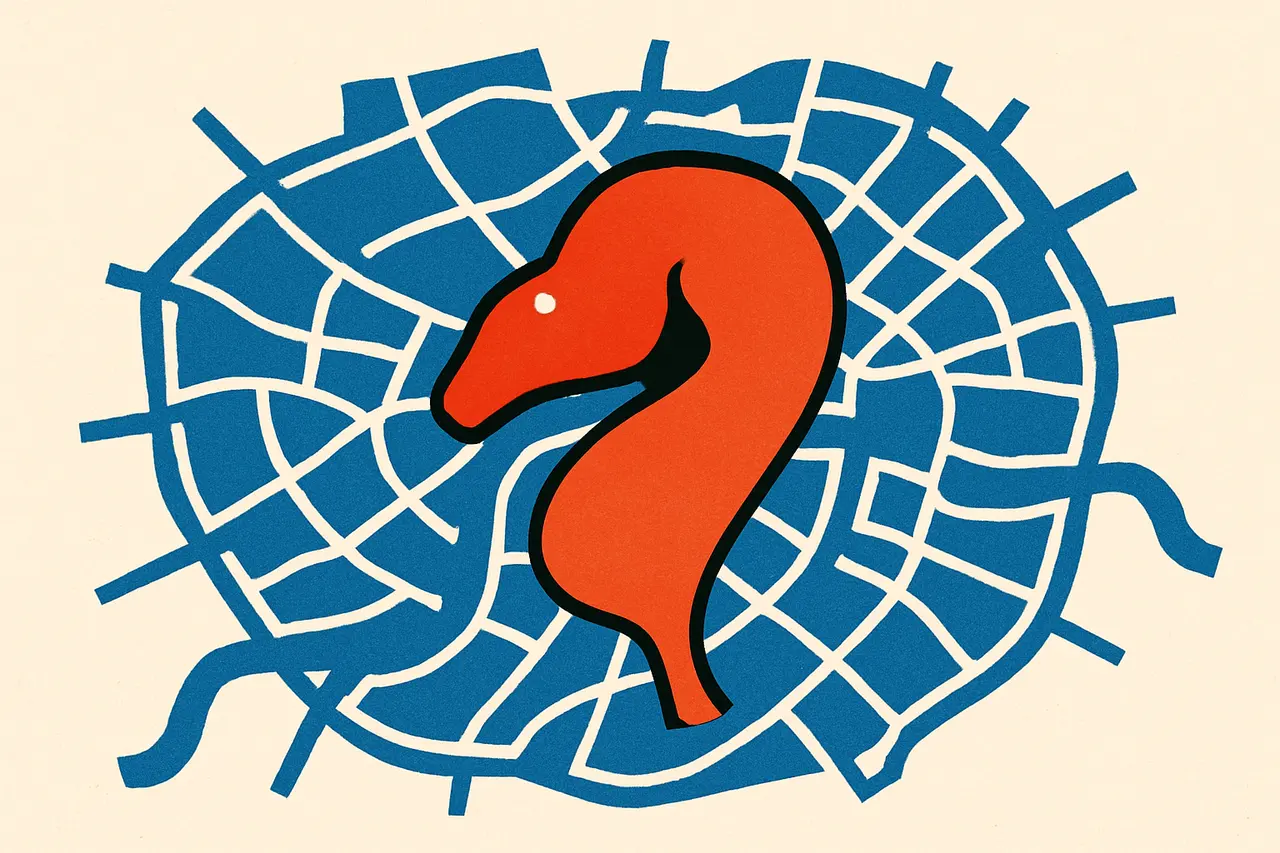
The replay was first caught in rats. Neurons in the hippocampus that fire in a particular order as a rat runs a maze fire again in the same order while it sleeps afterwards. In 2006, MIT neuroscientist Matthew Wilson and Daoyun Ji recorded the hippocampus and the visual cortex at the same time and found the two replaying the same run together.
“These results imply simultaneous reactivation of coherent memory traces in the cortex and hippocampus during sleep that may contribute to or reflect the result of the memory consolidation process.” — Daoyun Ji and Matthew Wilson, 2006
Correlation alone would not prove that sleep replay builds memories, so two experiments went further. In 2007, volunteers learned the locations of card pairs while smelling roses. When the same scent was released during their slow-wave sleep, they later remembered the locations significantly better. The scent did nothing when given during REM sleep or while they were awake, and brain scans showed it reactivated the left hippocampus.
In 2009, researchers in France selectively suppressed the brief hippocampal bursts called sharp-wave ripples that accompany replay, just after training rats. The rats’ spatial memory got worse.
The practical message is the plain one. The U.S. National Institute of Neurological Disorders and Stroke notes that without sleep you cannot form or maintain the brain pathways that let you learn and create new memories, so a full night after studying does more than an all-nighter.
Sources & references
4 referencesWell-established. Corroborated by 4 independent sources.