The Battle of Naseby Broke the King's Army
On this day · 14 June 1645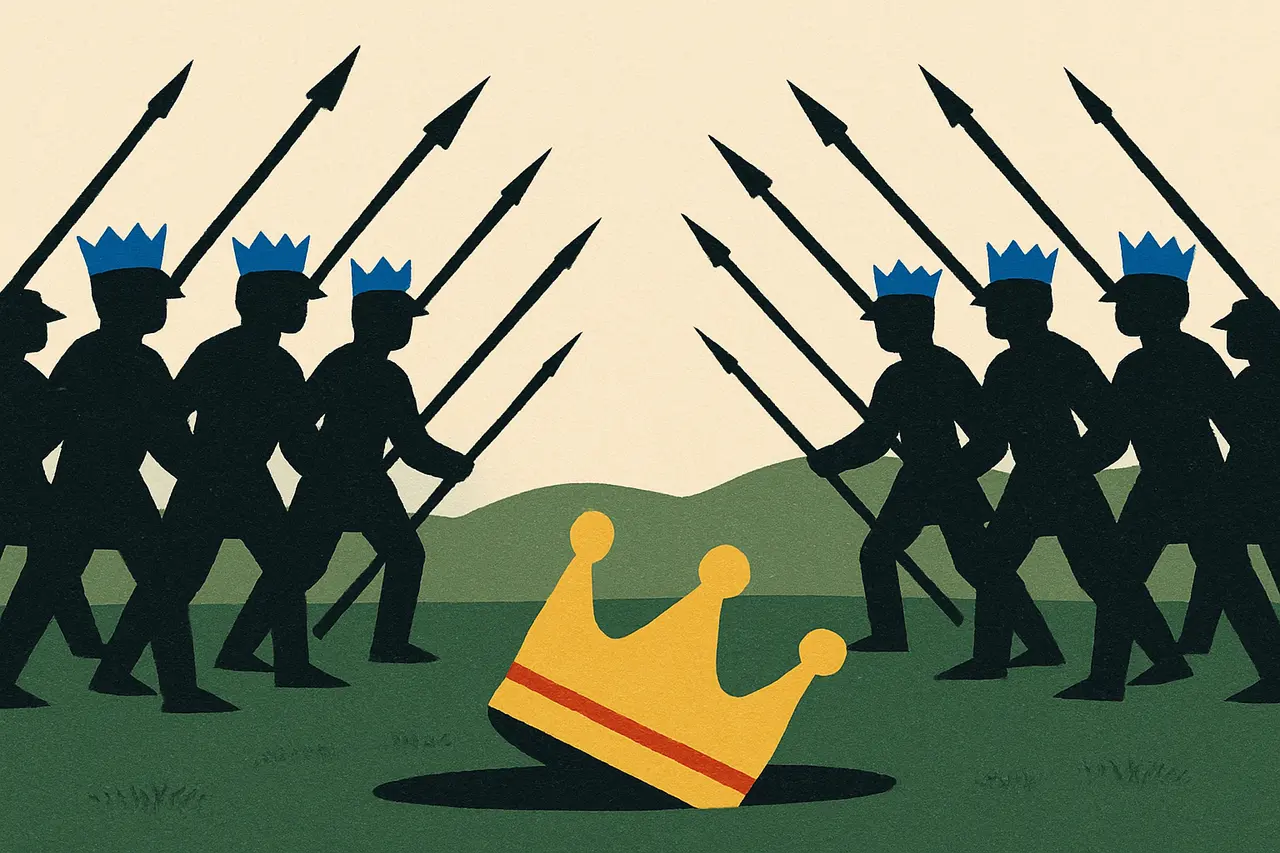
In two hours on a Northamptonshire field, Parliament's reformed army shattered the Royalist cause and reshaped English power forever.
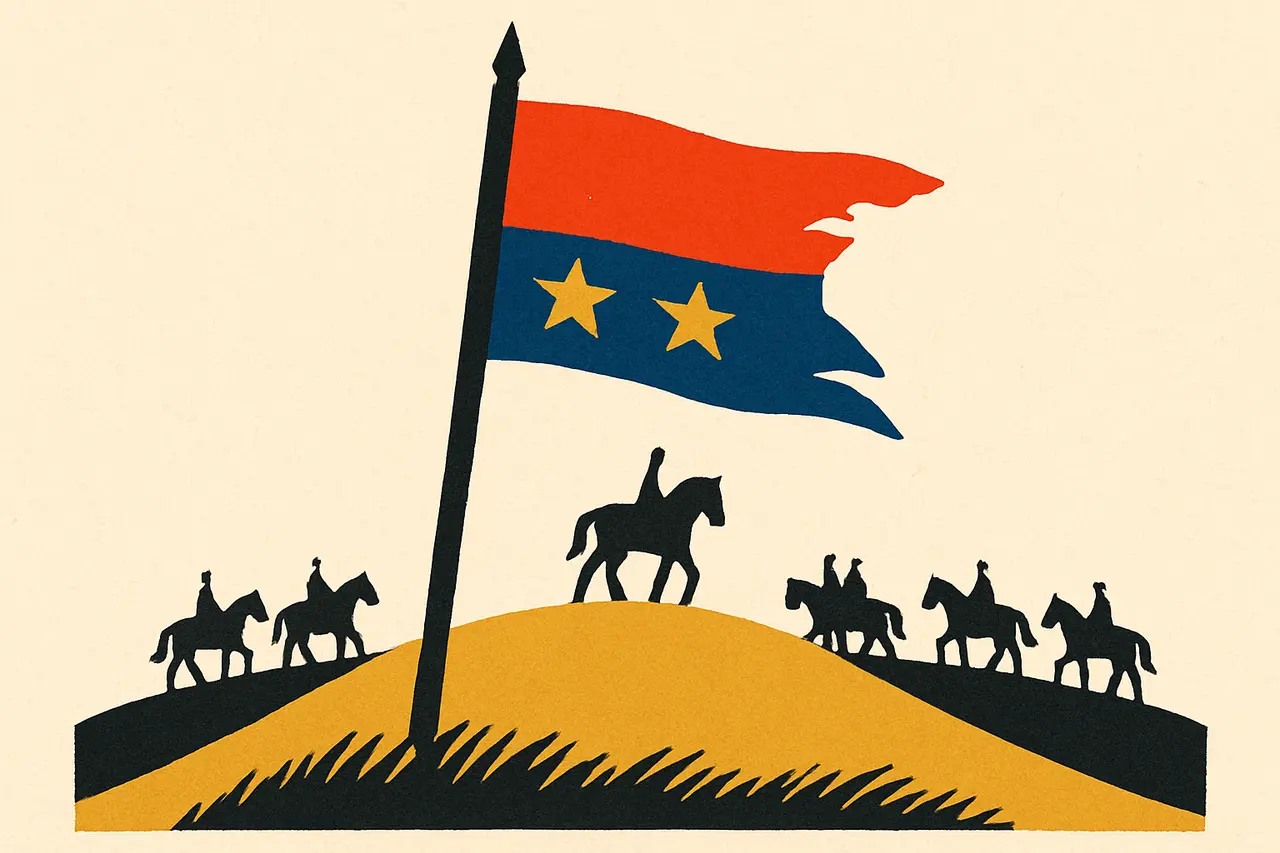
On 14 June 1645, near the village of Naseby in Northamptonshire, the most decisive battle of the First English Civil War was fought and lost in a single morning. Parliament’s newly reorganised New Model Army, roughly 14,000 strong, faced the smaller field army of King Charles I, whose cavalry was led by his nephew Prince Rupert.
Under Sir Thomas Fairfax, with Oliver Cromwell commanding the horse, the Parliamentarians absorbed an early Royalist charge and then broke the king’s outnumbered foot. In about two hours the Royalist main army was destroyed as a fighting force, its infantry killed or captured and its artillery and baggage seized.
Naseby was a victory for the army ‘new modelled’ — a national fighting force and, for many, the birthplace of the British Army.
The defeat ended any realistic hope of a Royalist win. Although Charles did not surrender until 1646, Naseby ensured the monarch would never again be supreme in British politics.
Sources & references
2 referencesWell-established. Corroborated by 2 independent sources.