Serum run to Nome reaches Alaska
On this day · 2 February 1925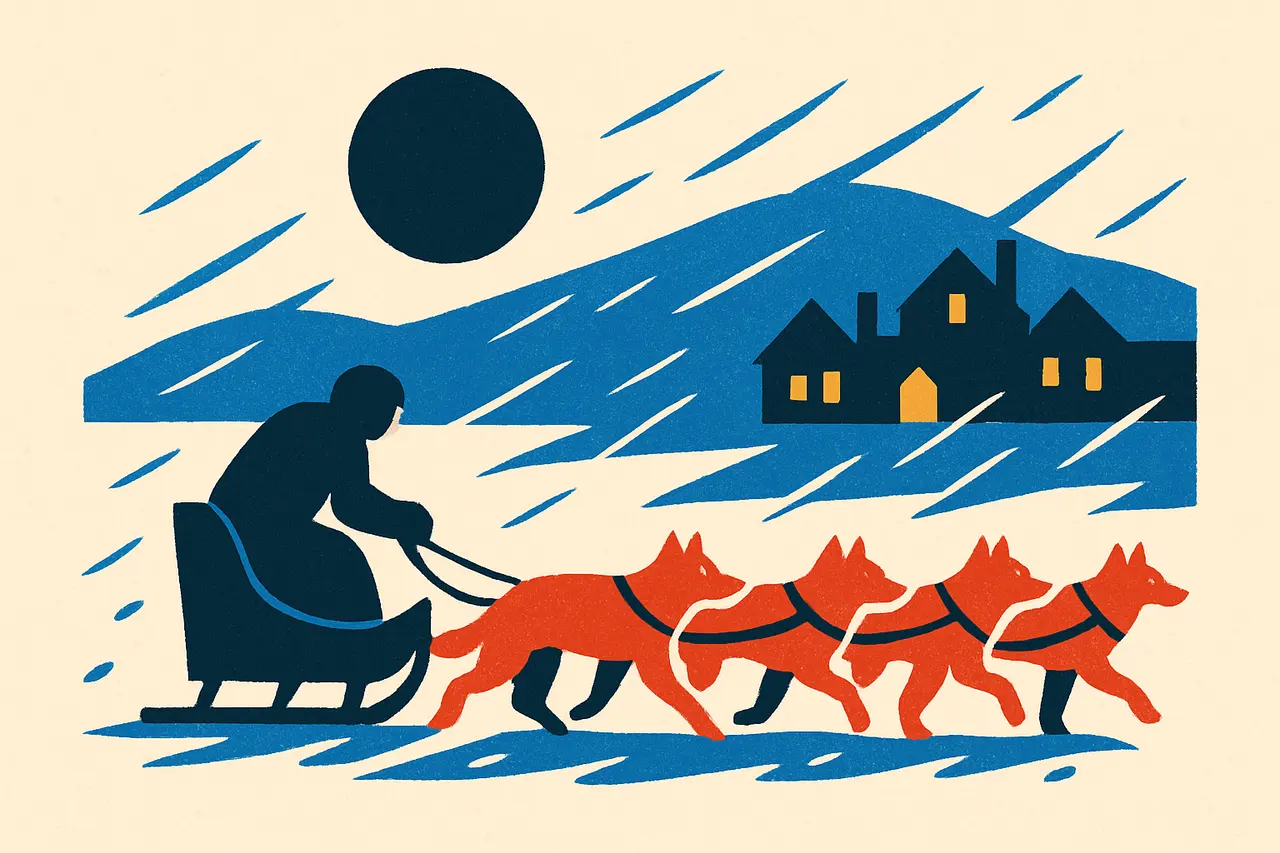
Twenty mushers and 150 dogs ran antitoxin across frozen Alaska in a relay against a diphtheria outbreak.
On February 2, 1925, a dog-sled relay reached the icebound town of Nome, Alaska, carrying diphtheria antitoxin to halt a deadly outbreak among its children. The serum sat 674 miles away in Nenana, and winter had cut Nome off from ships and planes alike.
The answer was speed by paw. Roughly 20 mushers and about 150 sled dogs ran the serum in a relay across the wilderness, battling temperatures near 50 below and blinding blizzards. The journey took under six days.
Musher Gunnar Kaasen and his lead dog Balto drove the final leg into Nome in the dark before dawn.
Not a single vial broke. The run made Balto famous and is widely credited as inspiration for the modern Iditarod sled-dog race, which follows much of the same historic trail.
Sources & references
2 referencesWell-established. Corroborated by 2 independent sources.