Easter Island May Have Invented Writing From Scratch
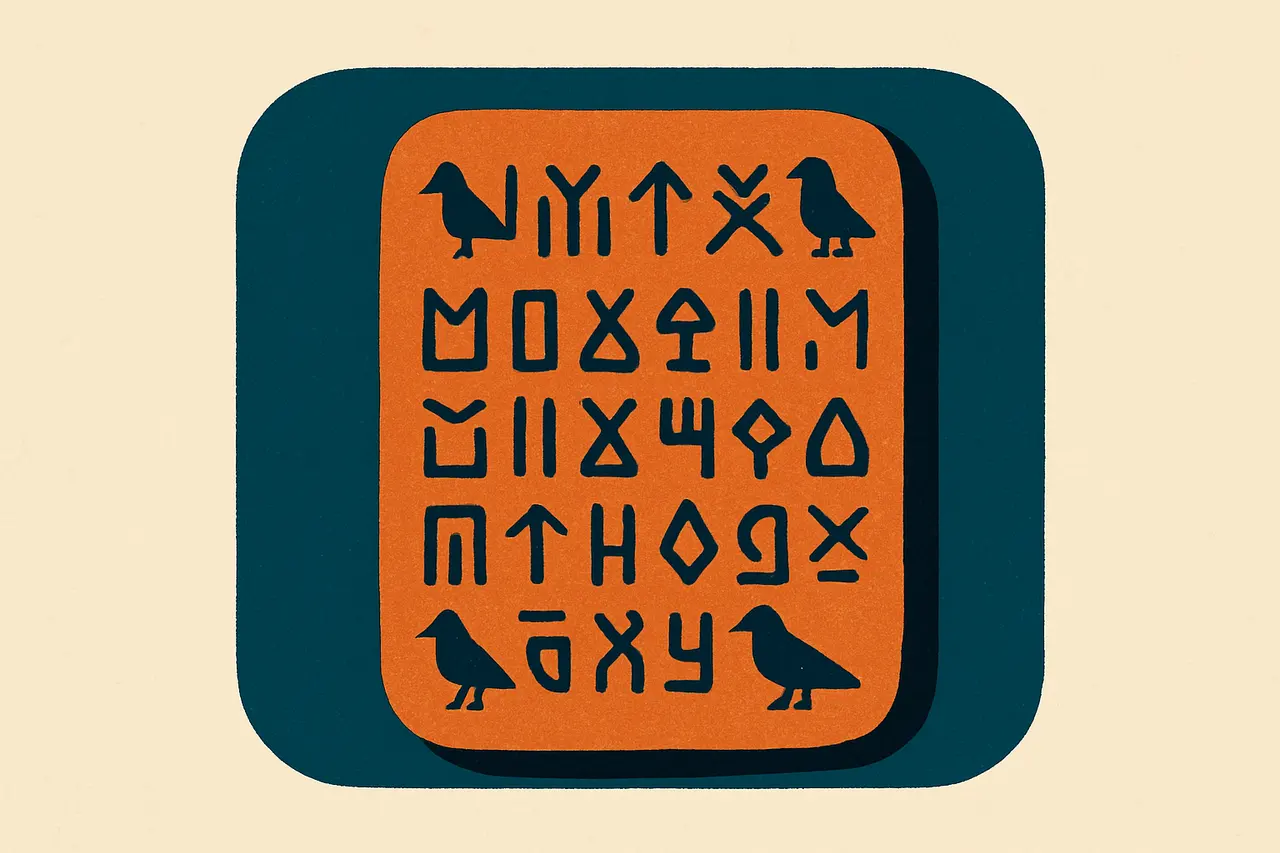
A wooden tablet bearing Easter Island's mysterious Rongorongo glyphs radiocarbon-dated to the 1490s, two centuries before any European set foot there.
Rongorongo is the undeciphered glyph script of Rapa Nui (Easter Island) — rows of tiny carved figures, birds, and shapes incised into wooden tablets. For decades scholars argued it was inspired by seeing European writing, since the first Europeans arrived in 1722.
A 2024 study in Scientific Reports radiocarbon-dated four genuine tablets held in Rome. Three came back to the 1800s, but one — known as tablet D (Échancrée) — yielded a secure date of 1493–1509 cal AD, roughly two centuries before outside contact.
If the script itself is that old, Rongorongo may be one of the very few writing systems invented entirely from scratch.
That would place it alongside Mesopotamia, Egypt, China, and Mesoamerica as a rare independent invention of writing. The authors are careful, though: radiocarbon dates the wood, not the carving, so the glyphs could have been added later to an older piece. Even so, the find pushes the script’s plausible origins firmly back into the pre-European past.
Sources & references
2 referencesWell-established. Corroborated by 2 independent sources.