Gorbachev resigned on 25 December 1991, ending the USSR
On this day · 25 December 1991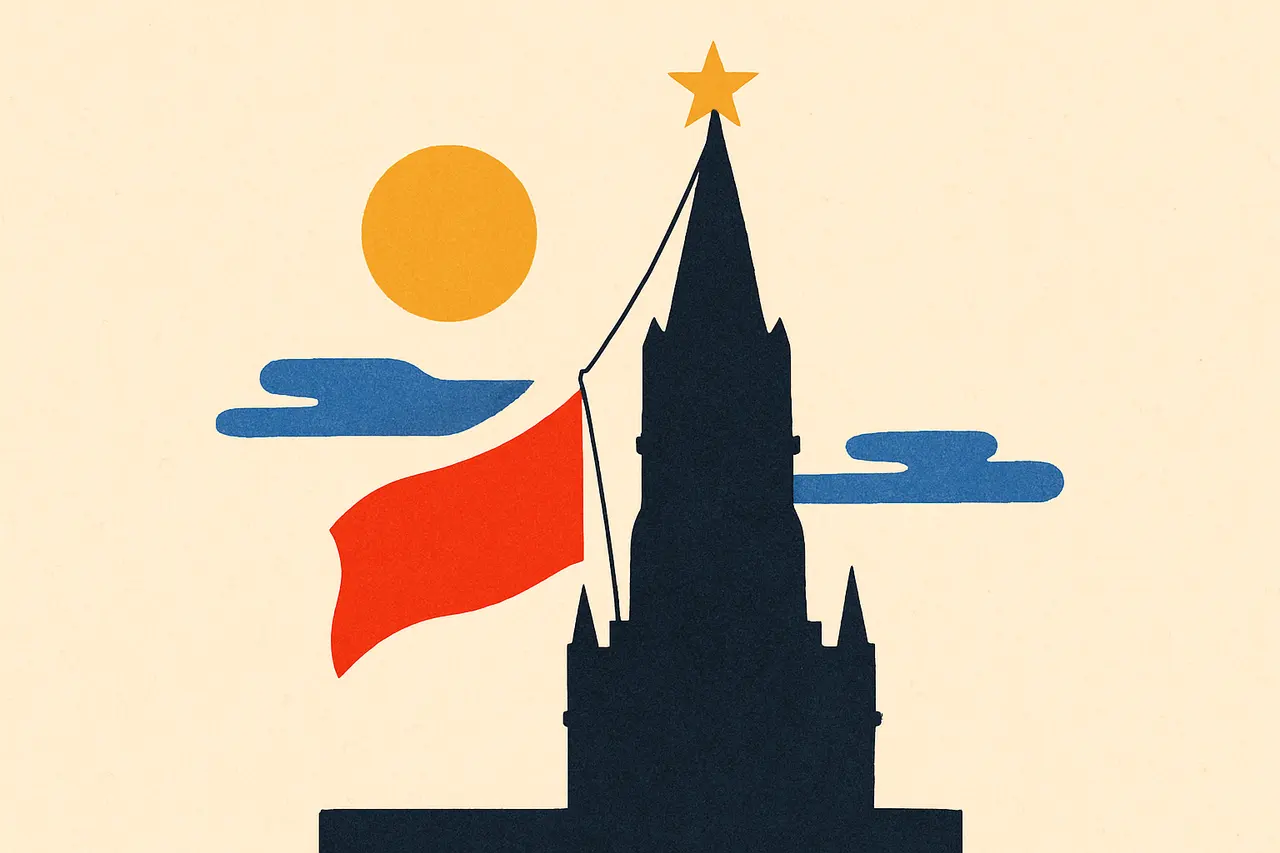
The Soviet flag came down over the Kremlin on Christmas night 1991 — and declassified papers show Washington had hoped the union would survive.
Mikhail Gorbachev resigned as president of the Soviet Union on 25 December 1991, and that evening the hammer-and-sickle flag was lowered over the Kremlin for the last time and replaced by the Russian tricolour, leaving Boris Yeltsin as president of an independent Russia. The union had already been signed away: on 8 December, at a hunting lodge in Belarus, the leaders of Russia, Ukraine and Belarus agreed the Belovezhie accord dissolving the USSR and creating a Commonwealth of Independent States.
Did Washington want the Soviet Union to collapse?
No — the declassified record points the other way. Through 1991 President George H.W. Bush and Secretary of State James Baker backed keeping the union together, even with a weak centre, fearing a violent break-up — “Yugoslavia with nuclear weapons,” as one American official put it. The fear was concrete: more than 3,000 strategic nuclear weapons sat outside Russia, in Ukraine, Kazakhstan and Belarus. What sealed the union’s fate was the failed hard-line coup of August 1991, which weakened Gorbachev, propelled Yeltsin forward and was followed within days by declarations of independence from Ukraine and Belarus.
Who found out first?
Not Gorbachev. After signing at Belovezhie, Yeltsin rushed to telephone Bush, stressing that Gorbachev did not yet know; the Soviet leader heard the news afterwards from Belarus’s Stanislav Shushkevich. On the 25th Gorbachev made his own call to Bush, who was at Camp David with his grandchildren, thanking him for their joint work ending the Cold War shortly before his televised farewell. That night Bush spoke to Americans from the White House:
“The Soviet Union itself is no more.” — George H.W. Bush, 25 December 1991
In the same address the United States recognised Russia, backed its taking over the Soviet seat on the UN Security Council, and recognised Ukraine, Armenia, Kazakhstan, Belarus and Kyrgyzstan. It was an abrupt end for a state founded in 1922, and for a leader who had taken power in 1985 promising to reform it rather than bury it.
Sources & references
3 referencesWell-established. Corroborated by 3 independent sources.