Henry V's 1413 coronation snowstorm was probably just rain
On this day · 9 April 1413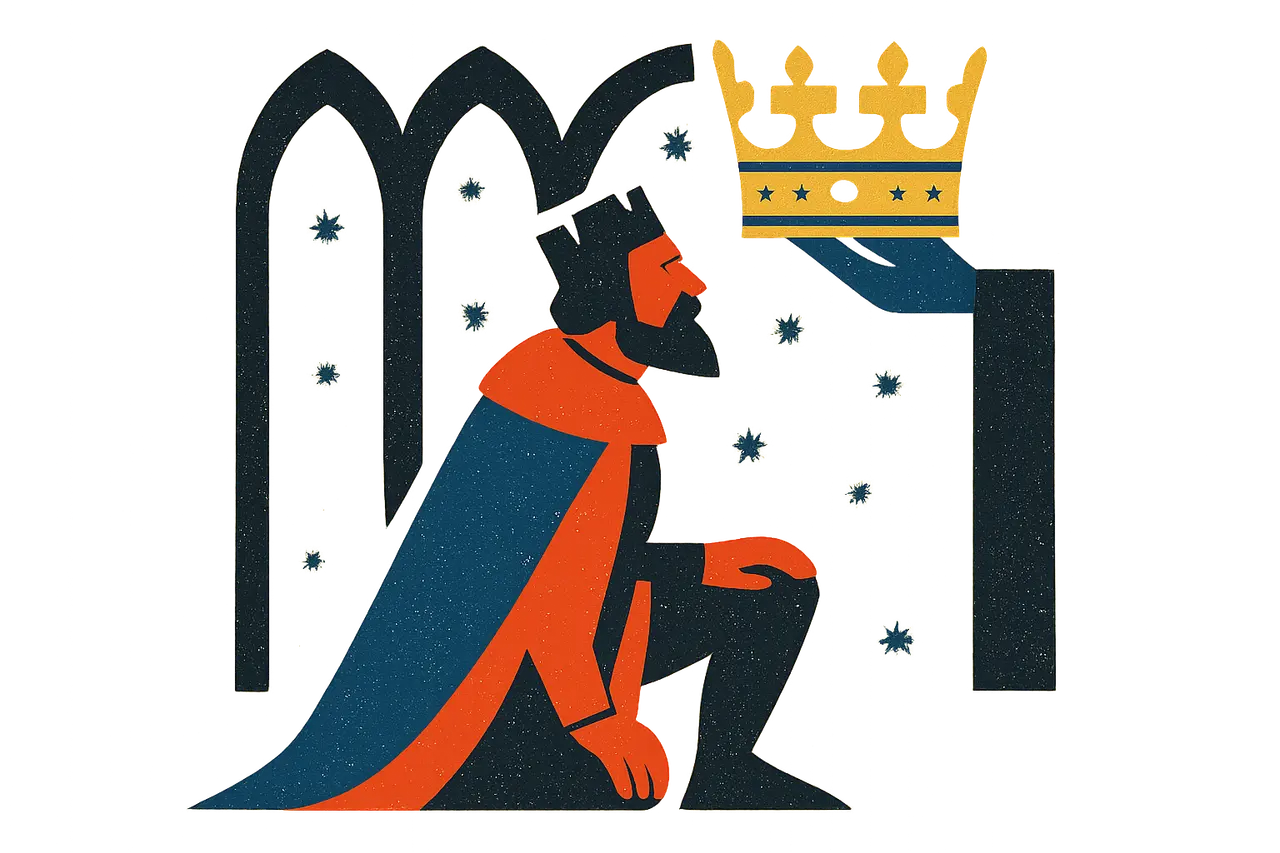
Henry V was crowned on 9 April 1413. The famous snowstorm comes from one monastic chronicler; Londoners who were there recorded a downpour.
Henry V was crowned King of England in Westminster Abbey on 9 April 1413, Passion Sunday, 20 days after his father, Henry IV, died on 20 March. He was about 26, going by the birth date of 16 September 1386 that historians now accept.
The haste was political. Modern coronations are scheduled for early summer in hope of fine weather, but the Lancastrian claim to the throne, seized from Richard II only in 1399, was still shaky. The History of Parliament notes that it was decided to crown the new king sooner rather than later.
Even Henry IV’s death came wrapped in legend. According to a chronicle story told by Westminster Abbey, he collapsed while praying at St Edward’s shrine and was carried to the abbot’s house. Told the room was called Jerusalem, he understood a prophecy that he would die in Jerusalem. Shakespeare later put the scene on stage.
The coronation is best remembered for a freak snowstorm, and the Abbey’s own history page still says snow fell. That story appears to start with Thomas Walsingham, the colourful chronicler of St Albans, who described a great fall of snow and the omens people read into it. He capped his account with a verse from the Song of Songs: “Winter is now past, the rains are over and gone.” By Elizabeth I’s reign his version had become the standard one.
Londoners recorded something duller. One London chronicle called it “a ful trobly wet day”. A former goldsmith, John Cok, who was present, wrote:
“In the year 1413 on the 9th day of April, which day was Passion Sunday and an extremely rainy day, was the coronation of Henry V at Westminster.”
The History of Parliament concludes that the scriptural verse probably supplied Walsingham’s snow. Two years later, the rain-soaked king won at Agincourt. Two carvings of his coronation survive on the chantry chapel above his tomb, built after he died in France in 1422.
Sources & references
4 referencesWell-established. Corroborated by 3 independent sources.