Hawaii Is Creeping Toward Japan
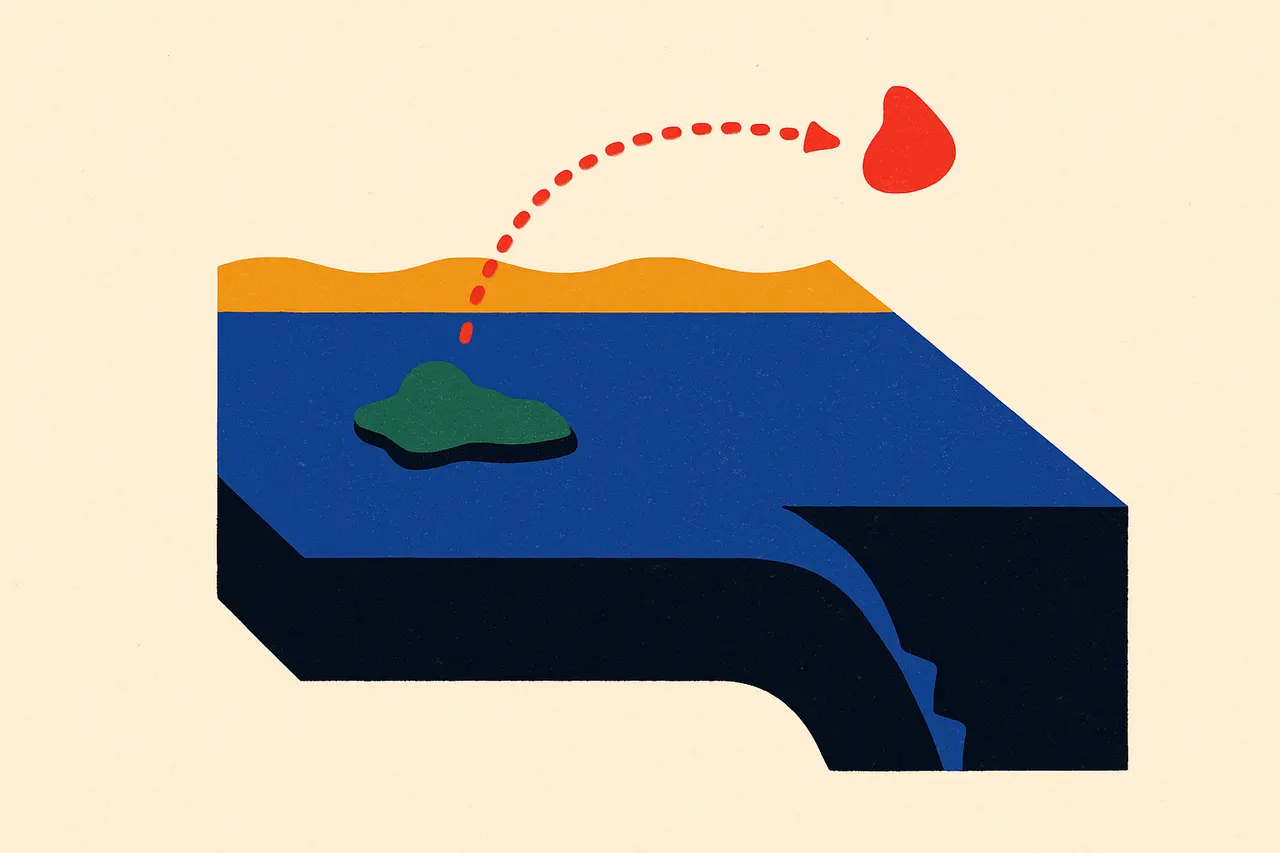
Riding the Pacific plate northwest at roughly the speed your fingernails grow, the Big Island is slowly bound for a trench off Japan.
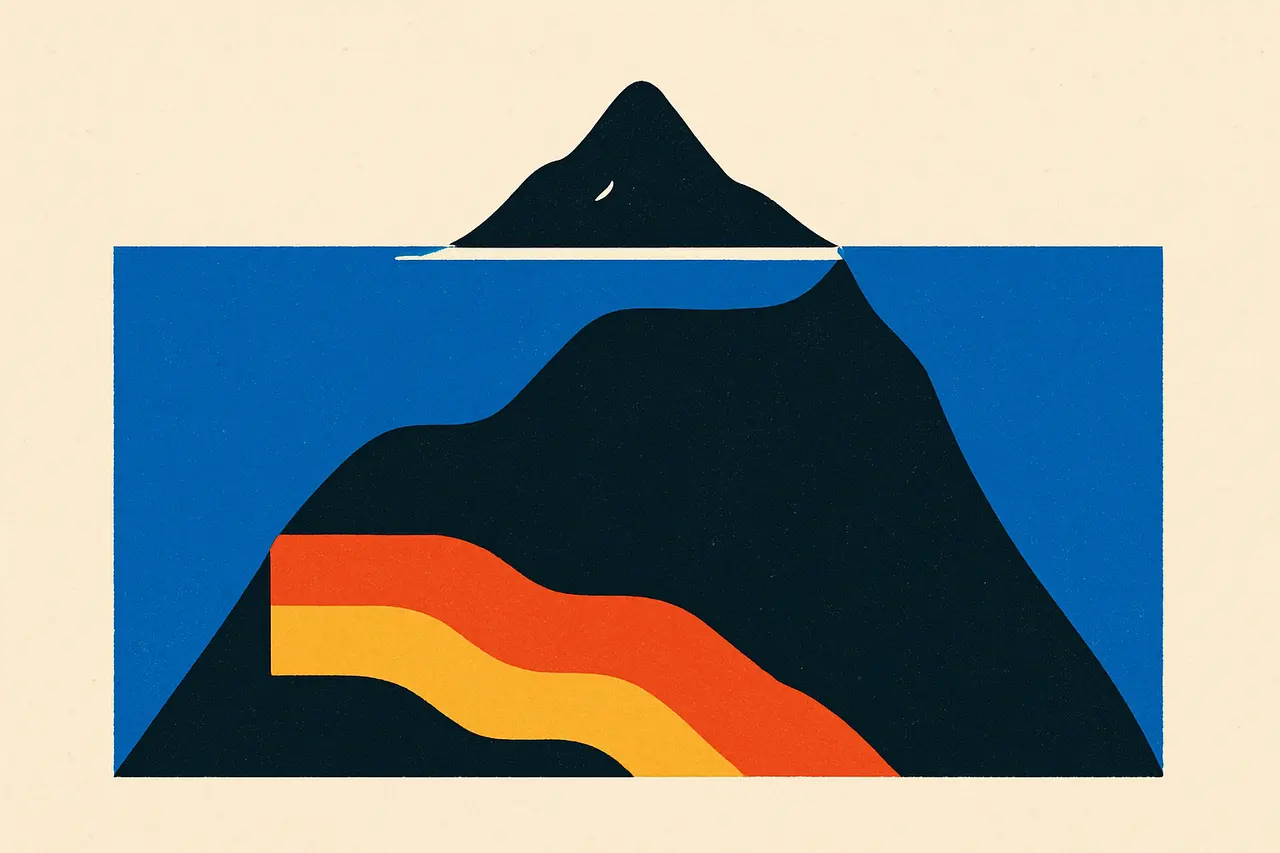
The Hawaiian Islands sit on the Pacific plate, which grinds northwest at about 100 mm (4 inches) a year over a stationary plume of hot rock called the Hawaiian hot spot. That hot spot punches volcanoes through the moving plate, which is why the chain ages as you travel away from the Big Island, the youngest link.
The same conveyor that built Hawaii is also carrying it away. The plate’s trajectory points toward Hokkaido, in northern Japan, roughly 6,300 km (3,900 miles) off. At this creep, the U.S. Geological Survey calculates the Big Island would reach the offshore subduction zone, where the Pacific plate plunges beneath Japan, in about 63 million years.
“If the Plate Tectonic Express operates without change… the Big Island will be headed down the Japanese trench.” — USGS
In practice, it almost certainly won’t arrive. Plates drift steadily for a few million years, then abruptly switch direction. Over the tens of millions of years required, the Pacific plate will very likely change course long before Hawaii ever meets its trench.
Sources & references
2 referencesWell-established. Corroborated by 2 independent sources.