Mount Everest is still growing taller
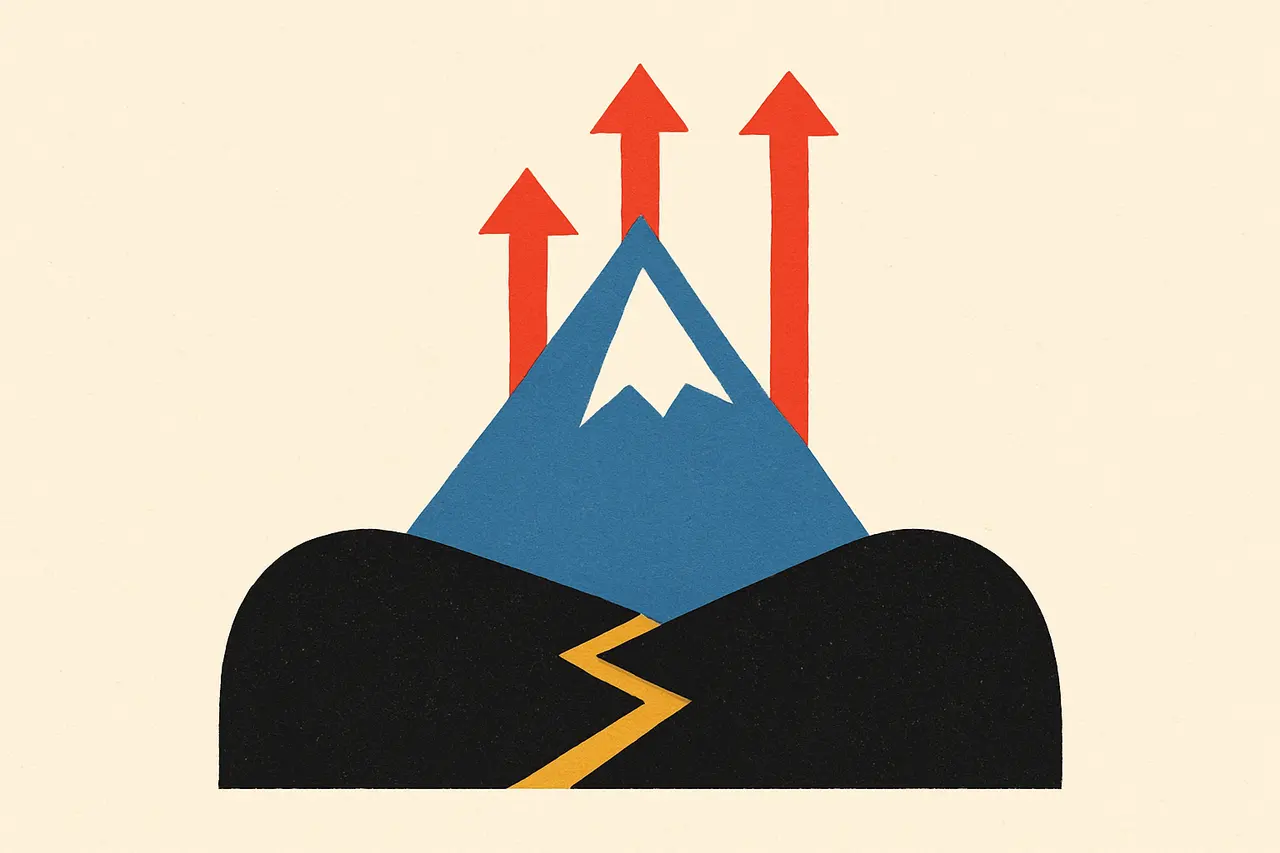
The world's highest peak rises a little higher every year, pushed up by a 50-million-year collision.
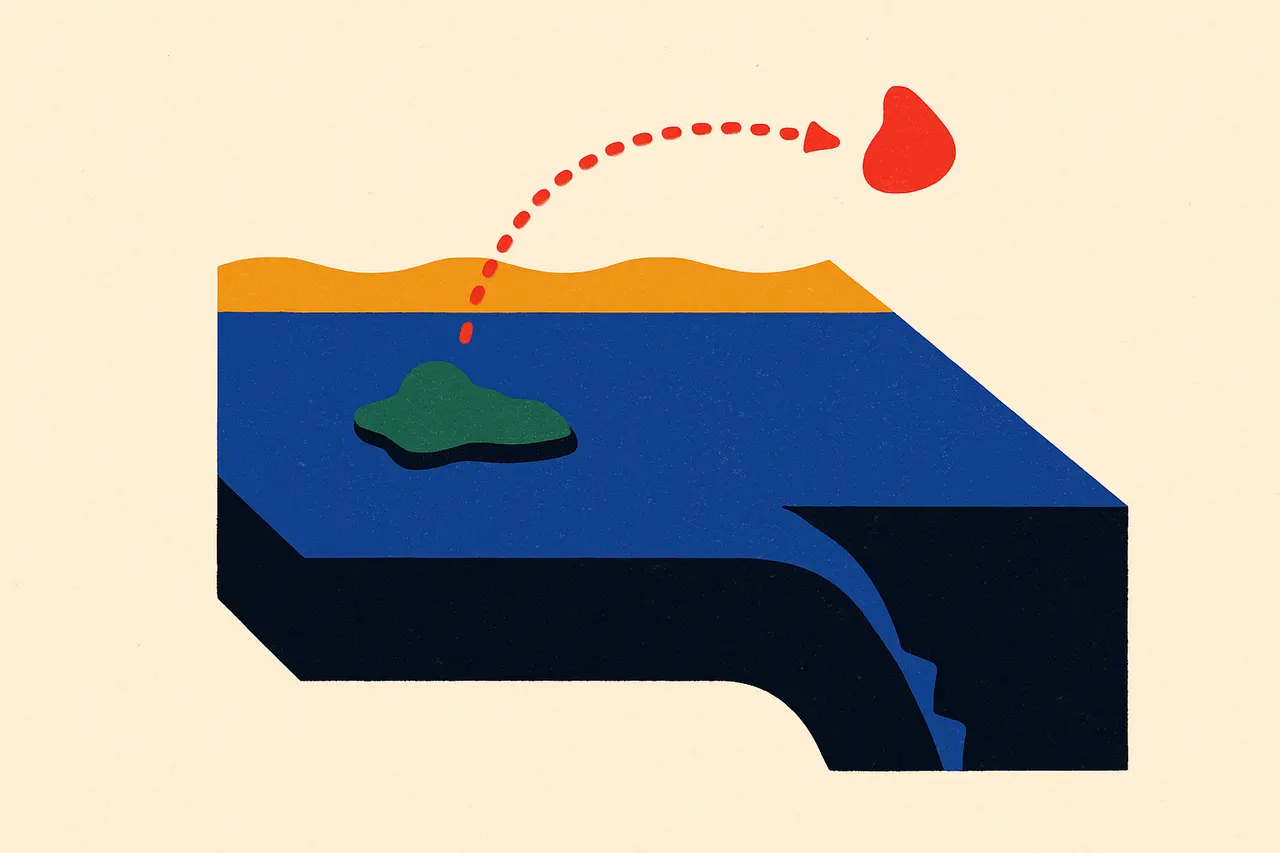
About 40 to 50 million years ago, the Indian plate rammed into Asia. Because both are buoyant continental crust, neither could sink beneath the other — so the rock had nowhere to go but up, crumpling skyward to build the Himalayas.
That collision hasn’t stopped. India still pushes north at a couple of centimeters a year, and the range continues to climb. The USGS puts the Himalayan uplift at more than 1 cm per year — about 10 km every million years.
Growth isn’t even across the range. Some northwestern sections rise around 10 mm a year, while Everest itself gains roughly 1 mm a year. Erosion and earthquakes nudge the summit up and down, but the long-term trend is unmistakable: Everest is taller now than when it was first measured.
Sources & references
2 referencesWell-established. Corroborated by 2 independent sources.