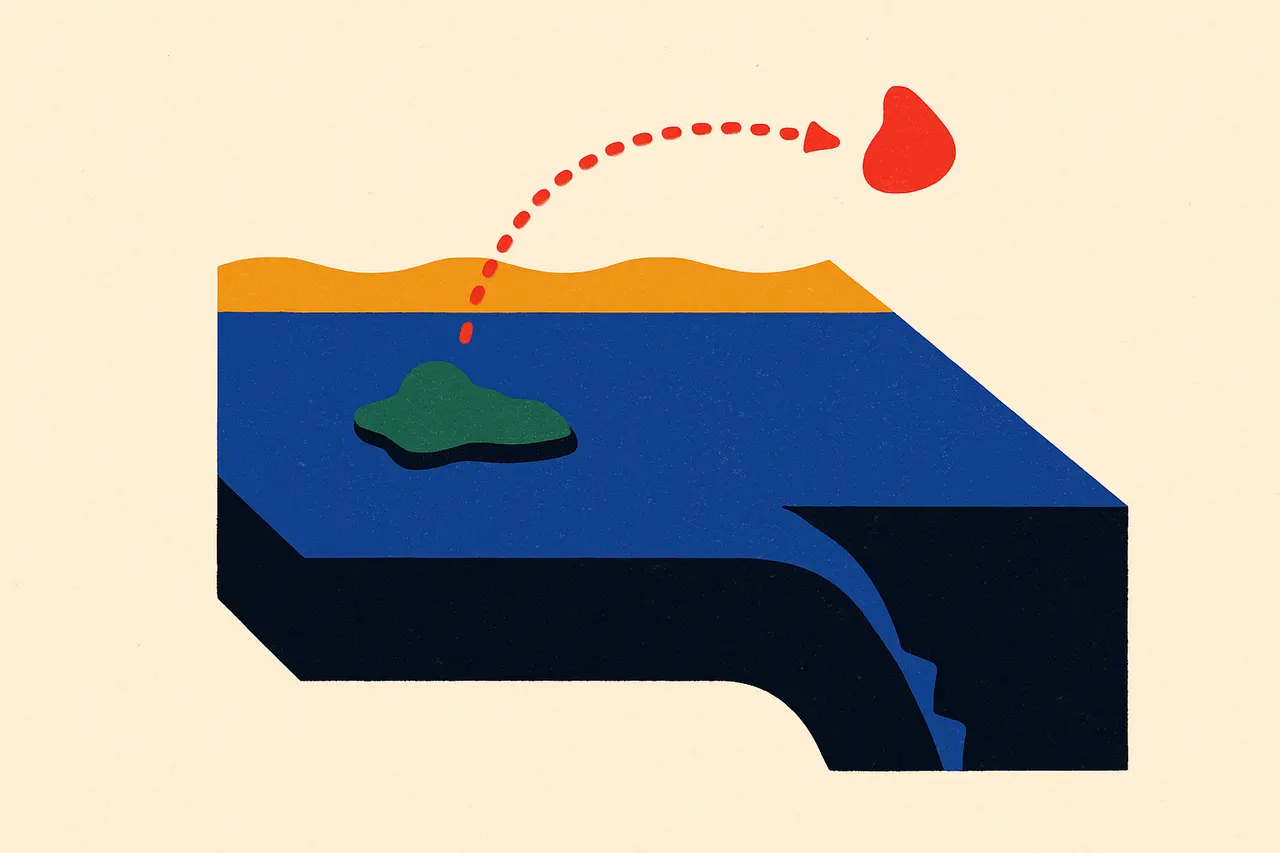
A weatherman saw that the continents had once fit together
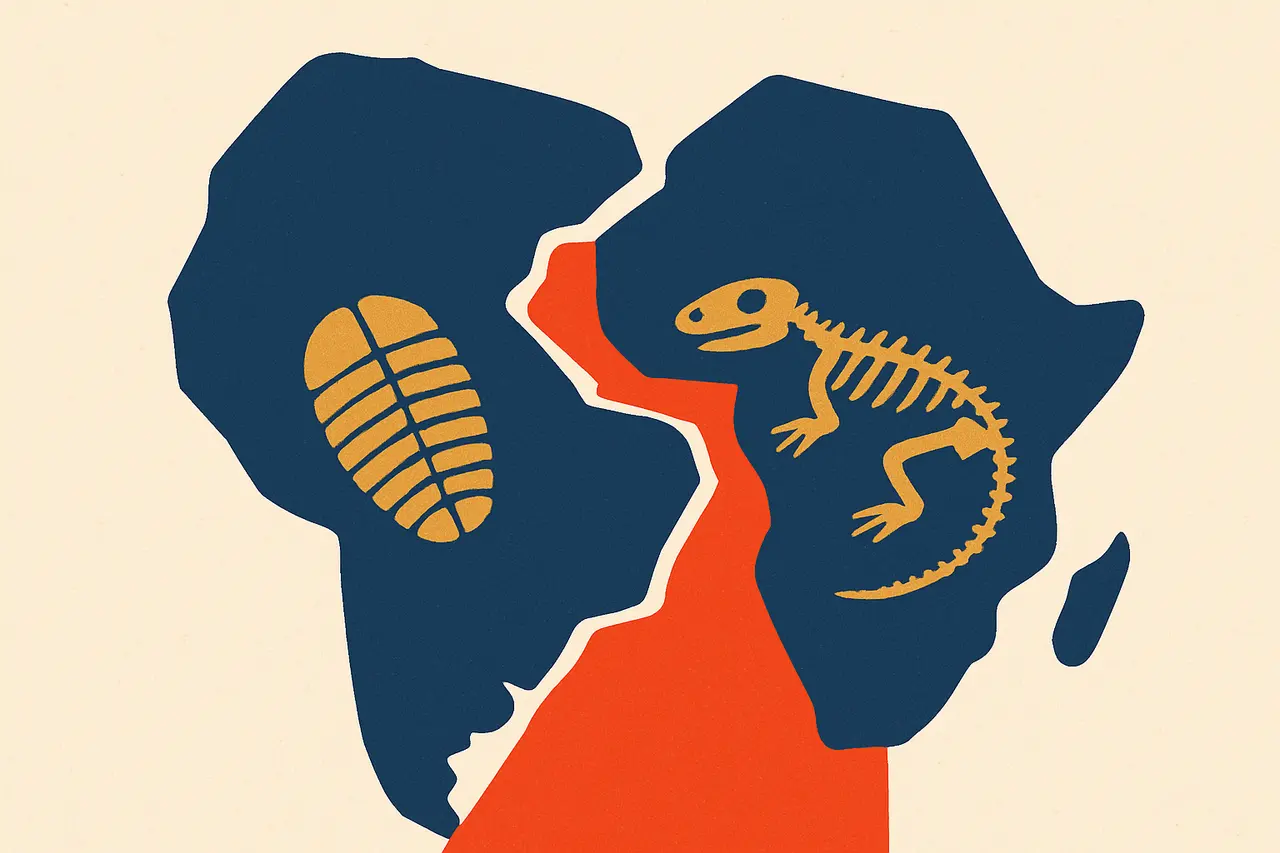
Decades before plate tectonics, Alfred Wegener argued Earth's continents were once a single landmass.
In 1912, a 32-year-old German meteorologist named Alfred Wegener proposed a radical idea: the continents were once joined in a single supercontinent he called Pangaea — Greek for “all lands” — which began breaking apart about 200 million years ago.
His case went far beyond the obvious fact that the coastlines of South America and Africa look like puzzle pieces. Wegener assembled a sweeping body of evidence. Identical plant and animal fossils sat stranded on opposite shores of the Atlantic. Mountain belts lined up across the ocean, the Appalachians of North America continuing seamlessly into the Caledonides of Scotland and Scandinavia. Rock strata matched layer for layer between continents, and telltale glacial deposits showed up in India and Africa — places far too warm for ice today — while coal seams, the residue of lush swamps, lay in regions that should have been frozen. The continents, he argued, had simply drifted to new latitudes.
Geologists mostly rejected him, and the sticking point was mechanism. Wegener could not say what force shoved continents around, and his suggestion that they plowed through the ocean crust was physically impossible — the crust was far too rigid. Without a driver, the matching coastlines looked like coincidence.
He never lived to be proven right. In 1930, on an expedition across the Greenland ice sheet, Wegener died in the cold at age 50. Only in the 1960s, when seafloor spreading and plate tectonics revealed how the ocean floor itself moves, was his great heresy finally vindicated.
Sources & references
2 referencesWell-established. Corroborated by 2 independent sources.