Castro became Cuba's prime minister, not president, in 1959
On this day · 16 February 1959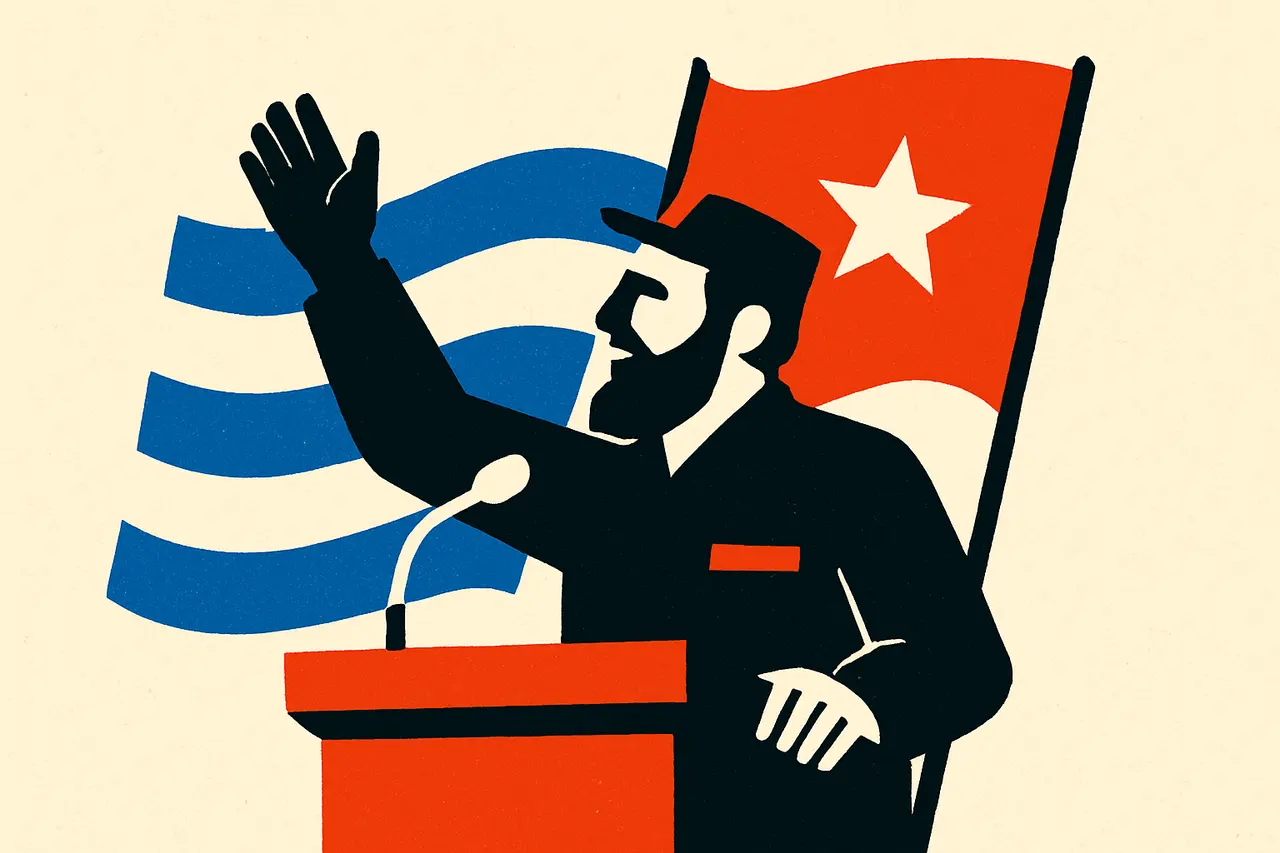
Fidel Castro took Cuba's premiership on 16 February 1959 and ran the country for 17 years before he ever held the title of president.
Fidel Castro became prime minister of Cuba on 16 February 1959, six weeks after the dictator Fulgencio Batista fled Havana. He was not made president, a title he would not hold for another 17 years. At 32, the rebel commander already controlled the army. The premiership made him formally answerable for the government too.
The revolution had started with a civilian front. A judge, Manuel Urrutia, was installed as provisional president and the lawyer José Miró Cardona as prime minister, with elections promised within eighteen months. They were never held. Real authority sat with Castro and his 26th of July Movement. A despatch from the U.S. embassy in Havana dated 25 February 1959 described the arrangement bluntly as “Government by Castro” and predicted that his taking the premiership would ease the “duality of authority”, since he would now be directly responsible for what the government did.
How the title and the power came apart:
- 16 February 1959: Castro replaces Miró Cardona as prime minister.
- 16 July 1959: Castro forces President Urrutia to resign; Osvaldo Dorticós, a lawyer linked to the Communist Party, takes the post.
- 3 January 1961: The United States severs diplomatic relations, three months before the Bay of Pigs invasion.
- December 1976: Under a new socialist constitution, Castro becomes head of state as president of the Council of State.
- February 2008: Ill since emergency intestinal surgery in 2006, he resigns that presidency, and his brother Raúl succeeds him.
So the man most people remember as Cuba’s president spent the first 17 years of the revolution as prime minister, beside presidents who held office at his pleasure. Counted from Batista’s flight on New Year’s Day 1959 to his 2008 resignation, Castro held power for 49 years, and he outlived the Cold War that had defined his rule. He died on 25 November 2016, aged 90.
Sources & references
4 referencesWell-established. Corroborated by 3 independent sources.