Nylon was patented in 1937 — before it was called nylon
On this day · 16 February 1937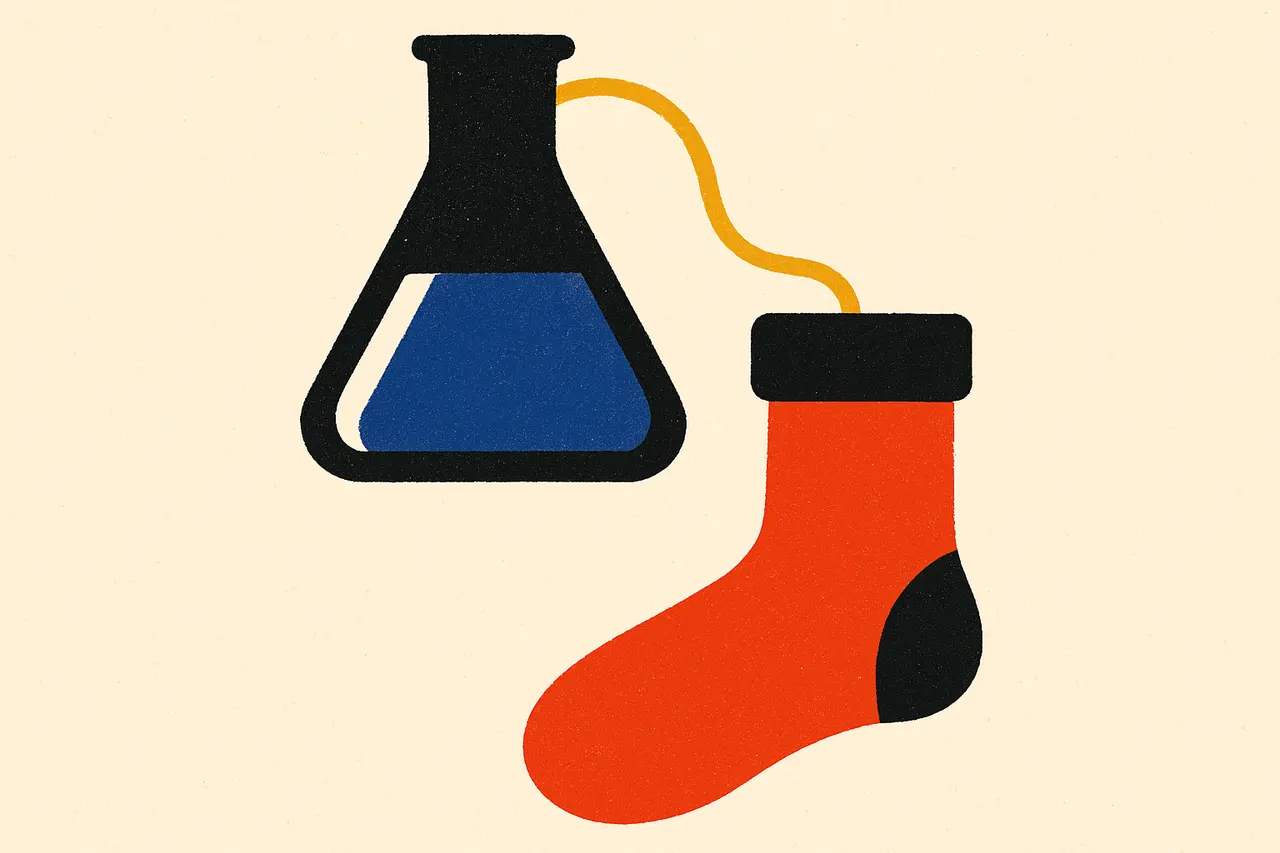
DuPont won its nylon patent on February 16, 1937. The name came a year later: it began as 'Nuron', meant to spell 'no run' backwards.
DuPont was granted U.S. patent No. 2,071,250 on February 16, 1937, for the fibre-forming synthetic polymers that became nylon, the first commercially viable synthetic fibre. The patent never used the word nylon: the name did not exist until 1938.
The chemistry came from Wallace Carothers, an organic chemist DuPont hired from Harvard in 1928 to do pure research on long-chain polymers. His team first made the version that became the product, nylon 6,6, on February 28, 1935. A separate patent for “Synthetic fibers” (No. 2,130,948) followed on September 20, 1938. Carothers saw neither the name nor the product: he took his own life on April 29, 1937, ten weeks after the first patent was granted.
The name itself took some finding. Inside DuPont the fibre had been called Rayon 66, Fiber 66 and “Duparon”. According to Ernest Gladding, who managed the Nylon Division in 1941, the first choice was “Nuron”: “no run” spelled backwards, a promise no stocking could keep. Trademark conflicts pushed it to “Nilon”, and a y settled the pronunciation. The popular story that the word blends New York and London does not appear in that account. DuPont also chose not to trademark nylon, so shoppers would think of it as a generic material, like wood or glass.
Nylon’s first job was replacing boar bristles in toothbrushes. DuPont unveiled stockings on October 27, 1938, to about 4,000 women at the future site of the New York World’s Fair. They reached the national market on May 15, 1940, at $1.15 a pair, and sold out at most shops by noon.
Shoppers didn’t have them for long. By 1942, virtually all nylon was going into parachutes and tyre cords for the war.
Sources & references
3 referencesWell-established. Corroborated by 3 independent sources.