Singapore's guns didn't face the wrong way in 1942
On this day · 15 February 1942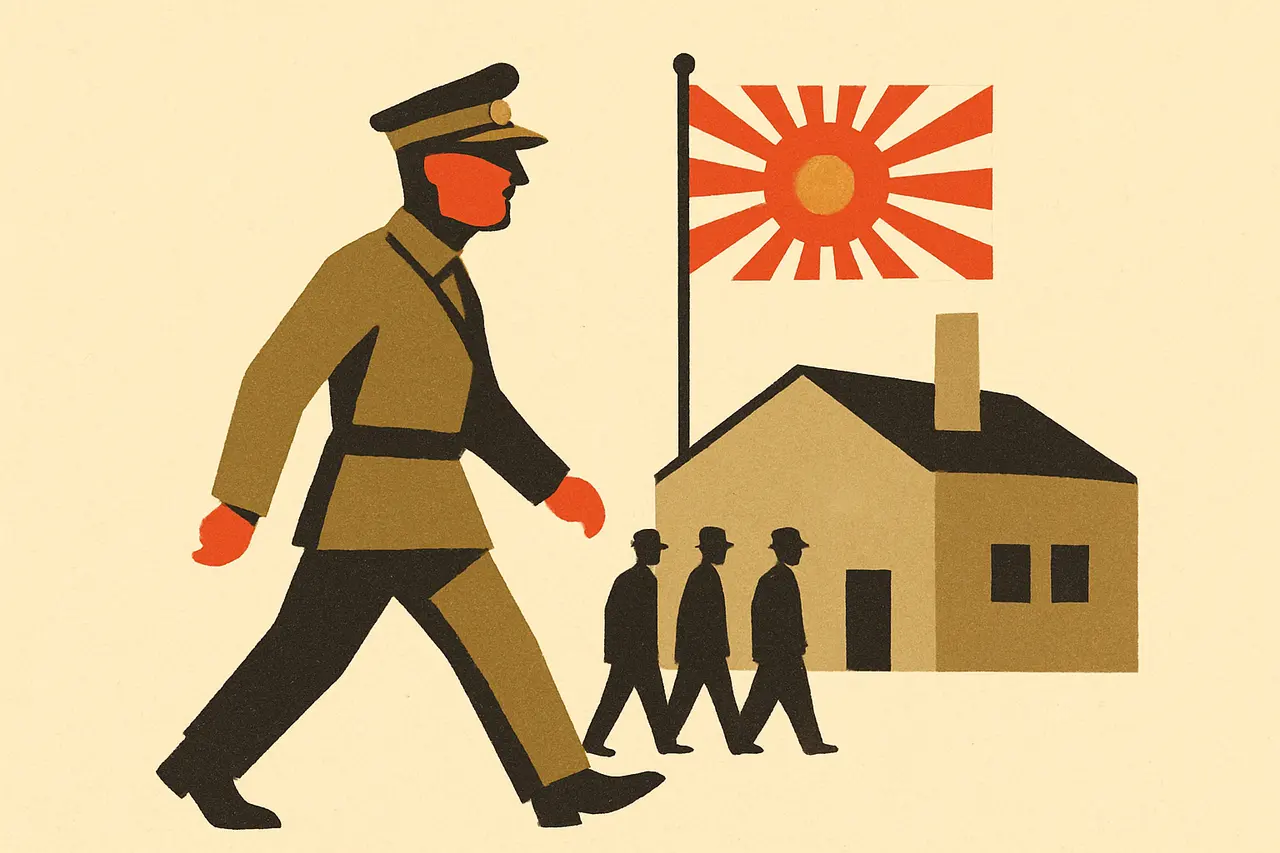
Britain's 'impregnable fortress' fell in February 1942 — but not because its big guns couldn't turn. The real story is ammunition and neglect.
Singapore fell on 15 February 1942, when Lt-Gen Arthur Percival signed the largest surrender in British history to Japan’s Lt-Gen Tomoyuki Yamashita, handing over about 85,000 troops to an attacking force of roughly 35,000. Japanese forces had invaded northern Malaya little more than two months earlier.
Did Singapore’s guns face the wrong way?
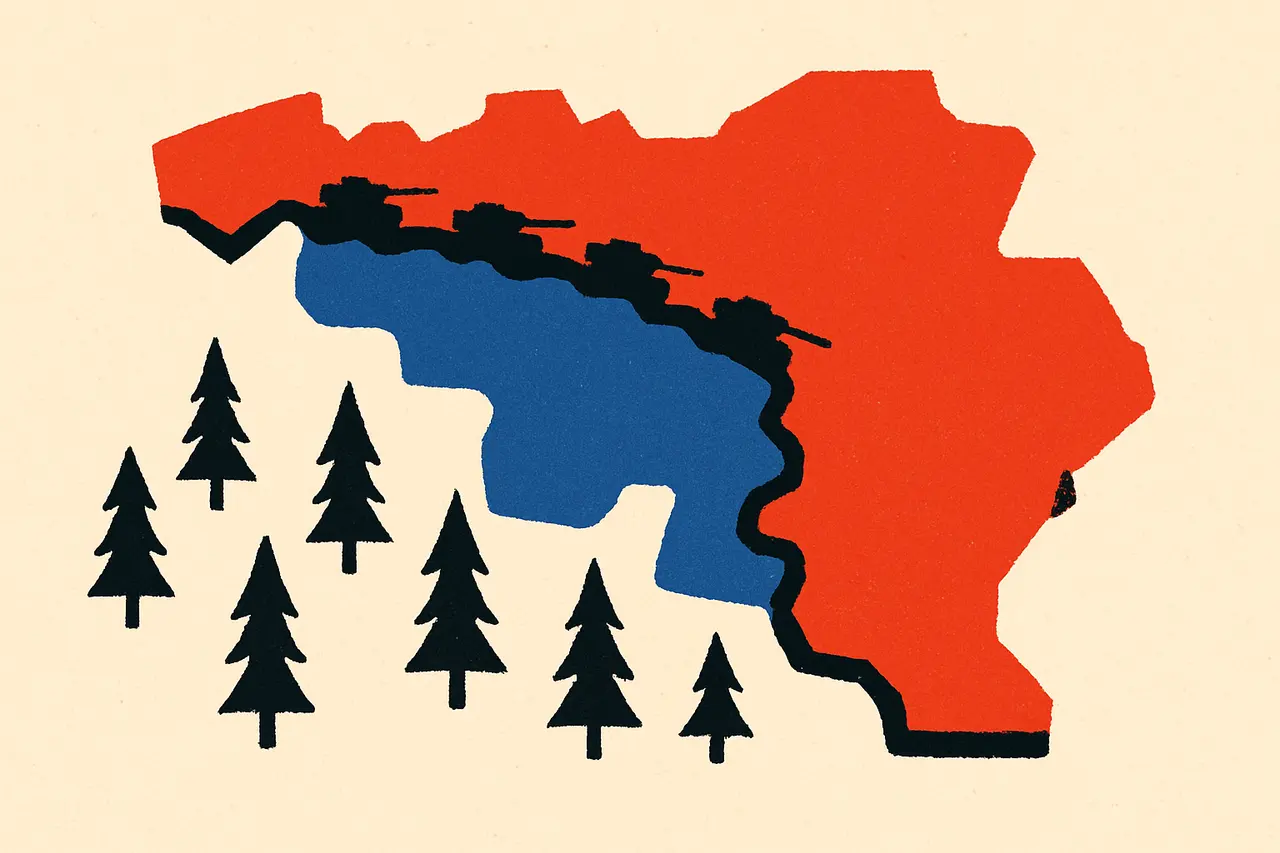
Not really. The story that the island’s great 15-inch guns pointed uselessly out to sea, unable to turn on an enemy coming from the north, is one of the war’s enduring myths. Three of the five could traverse a full 360 degrees, and they did fire on the advancing Japanese. The real problem was ammunition: no land-service shells had been supplied, only armour-piercing rounds designed to punch through warships, which did little against troops. And the guns did their intended job — Japan never attacked from the sea.
Then why did the “fortress” fall?
Singapore had been underfunded for years, Malaya had almost no prepared defences, and most senior British planners privately accepted that the island could not be held once the mainland was lost. Churchill still ordered Percival to hold it to the last man. By mid-February food, water and ammunition were running out and civilians were trapped under bombardment.
At 5.15 pm Percival’s delegation left for the Ford Motor Factory, Yamashita’s headquarters. Yamashita, worried that the British would discover how outnumbered he was, banged the table, demanded unconditional surrender and threatened a night attack on the city. Percival signed at 7.50 pm. Estimates of the men captured run from about 80,000 to 85,000, depending on who is counted, and for most of them captivity meant years of brutal treatment.
“The worst disaster and largest capitulation in British history.” — Winston Churchill, The Second World War
The surrender began three and a half years of Japanese occupation. The campaign itself had opened in the same hours as the attack on Pearl Harbor, as Japan struck across the Pacific at once.
Sources & references
4 referencesWell-established. Corroborated by 4 independent sources.