Galileo was born in Pisa in 1564; the tower drop is doubtful
On this day · 15 February 1564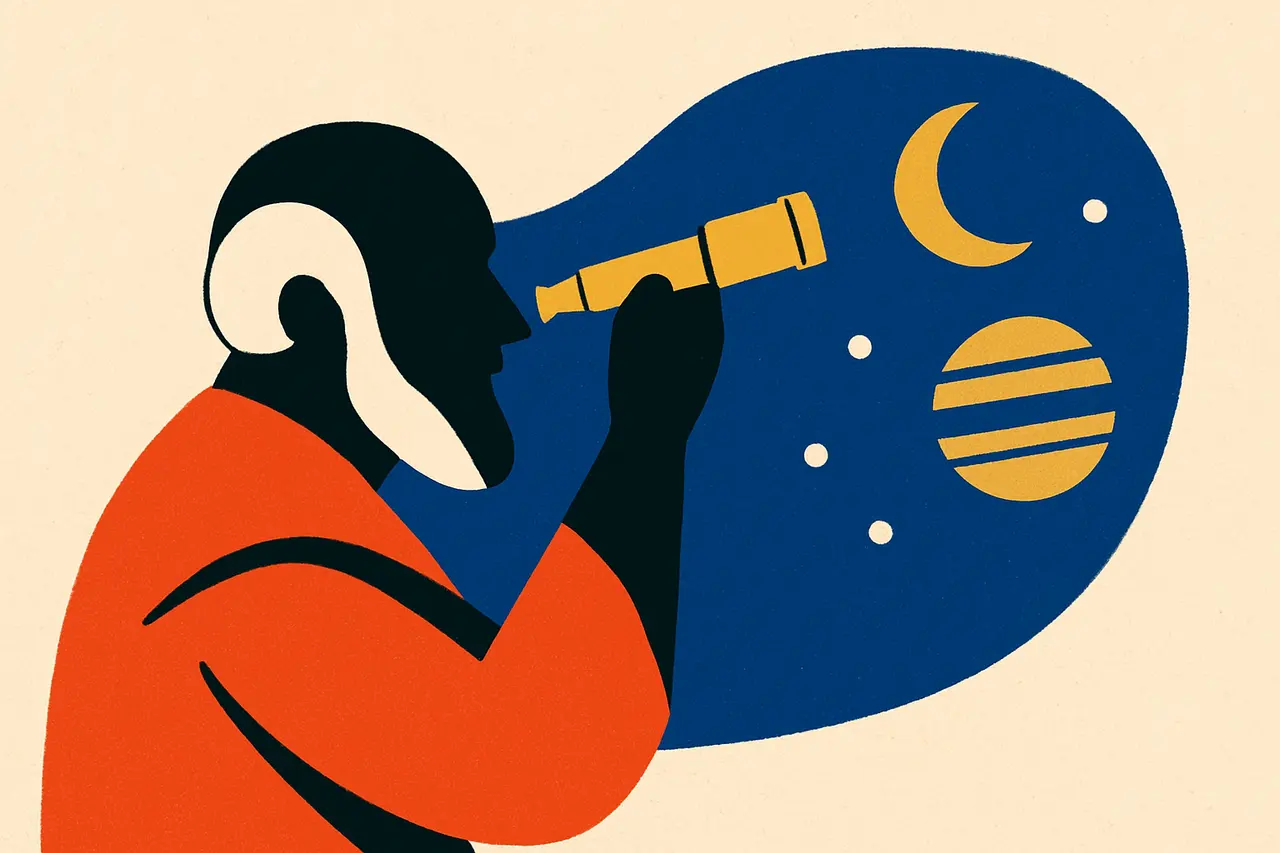
Galileo was born in Pisa on 15 February 1564, but the city's most famous Galileo story, the Leaning Tower drop, rests on one late source.
Galileo Galilei was born in Pisa on 15 February 1564, the son of music scholar Vincenzo Galilei and Giulia Ammannati, and he died at Arcetri, near Florence, on 8 January 1642, aged 77.
Sent to the University of Pisa in 1581 to study medicine, he showed little interest and from 1583 turned to mathematics instead. He left without a degree, yet the same university gave him its mathematics chair in 1589. In 1592 he moved to Padua, where he stayed until 1610.
Did Galileo really drop weights from the Leaning Tower?
Probably not. Pisa’s best-known Galileo story has him dropping weights from the Leaning Tower to refute Aristotle, but it comes from a single source: the admiring biography by Vincenzo Viviani, his assistant in his final, blind years.
In his own books Galileo argues the point with thought experiments and describes a test with a cannonball and a musket ball without mentioning the tower, and he reported that the two did not quite land together. Most historians doubt Viviani’s version; some suspect the elderly Galileo misremembered when telling the story.
What actually made Galileo famous?
Lenses. In 1609 he turned a telescope on the sky, and his 1610 Sidereus Nuncius described mountains on the Moon and four moons orbiting Jupiter, a direct challenge to the idea that everything circles Earth.
That Copernican advocacy cost him. On 22 June 1633 the Roman Inquisition made him kneel and recant, and his life sentence was commuted to permanent house arrest. His books came off the Index of Prohibited Books only in 1835, and the Catholic Church formally admitted it had erred in his case in 1992, 350 years after his death.
Sources & references
5 referencesWell-established. Corroborated by 5 independent sources.