Britain lost more ships at Jutland but kept control of the sea
On this day · 31 May 1916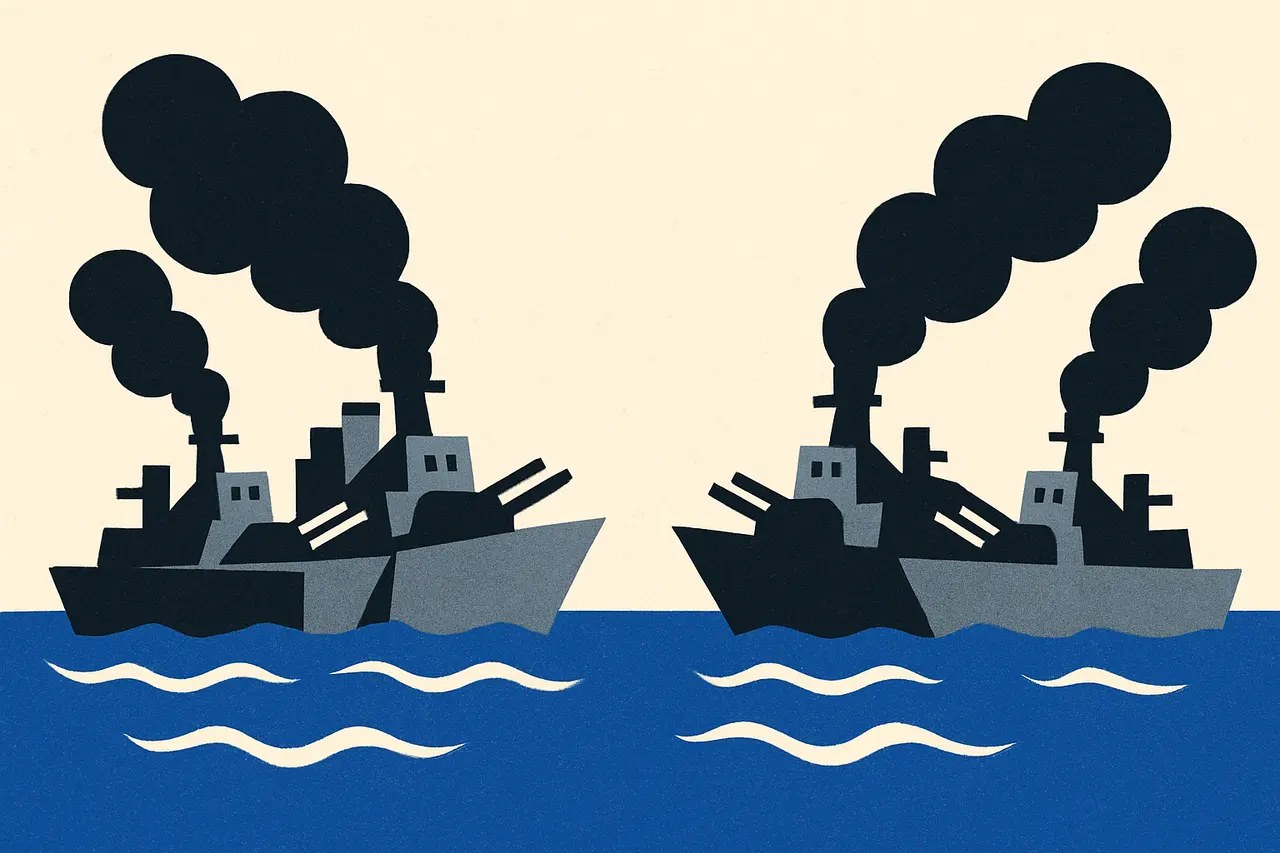
Jutland cost Britain 14 ships and over 6,000 men to Germany's 11 and 2,551 — and still left the Royal Navy in charge of the North Sea.
The Battle of Jutland, fought in the North Sea off Denmark on 31 May–1 June 1916, was the largest naval battle of the First World War and the only full clash of the British and German dreadnought fleets: about 250 ships and 100,000 men. Britain lost more ships and men, yet came out of it still controlling the sea.
On paper the result favoured Germany. The Royal Navy lost 14 ships and 6,097 sailors, by the Commonwealth War Graves Commission’s count; Germany lost 11 ships and 2,551 men, so Britain’s death toll was roughly two and a half times higher. Both sides claimed victory, and the verdict historians usually reach is a German tactical win and a British strategic one.
Much of the British toll came in seconds. The battlecruisers Indefatigable and Queen Mary blew up when German shells reached their ammunition magazines, prompting Vice-Admiral David Beatty’s reported remark that “there seems to be something wrong with our bloody ships today”. Later Invincible exploded after five hits; only six of her crew survived, and Rear-Admiral Horace Hood was among the dead.
The battle happened because Britain was reading German signals. Russian ships had recovered German codebooks from the cruiser SMS Magdeburg, run aground in the Baltic in August 1914, and one copy reached London. On the evening of 30 May the Admiralty intercepted orders for the German fleet to sail, and Admiral John Jellicoe’s Grand Fleet left Scapa Flow that night, before the Germans had put to sea — a generation ahead of Bletchley Park’s work on Enigma. The fight also saw an early use of air reconnaissance, a seaplane from HMS Engadine scouting the enemy.
Among the dead was Jack Cornwell, 16, who stayed at his gun on HMS Chester after the rest of its crew had been killed; he was awarded a posthumous Victoria Cross. The British fleet was ready for action again the next day. The German fleet never again seriously challenged British control of the North Sea, and the blockade that helped starve Germany into defeat in 1918 held.
Sources & references
2 referencesWell-established. Corroborated by 2 independent sources.