D-Day was the largest seaborne invasion in history
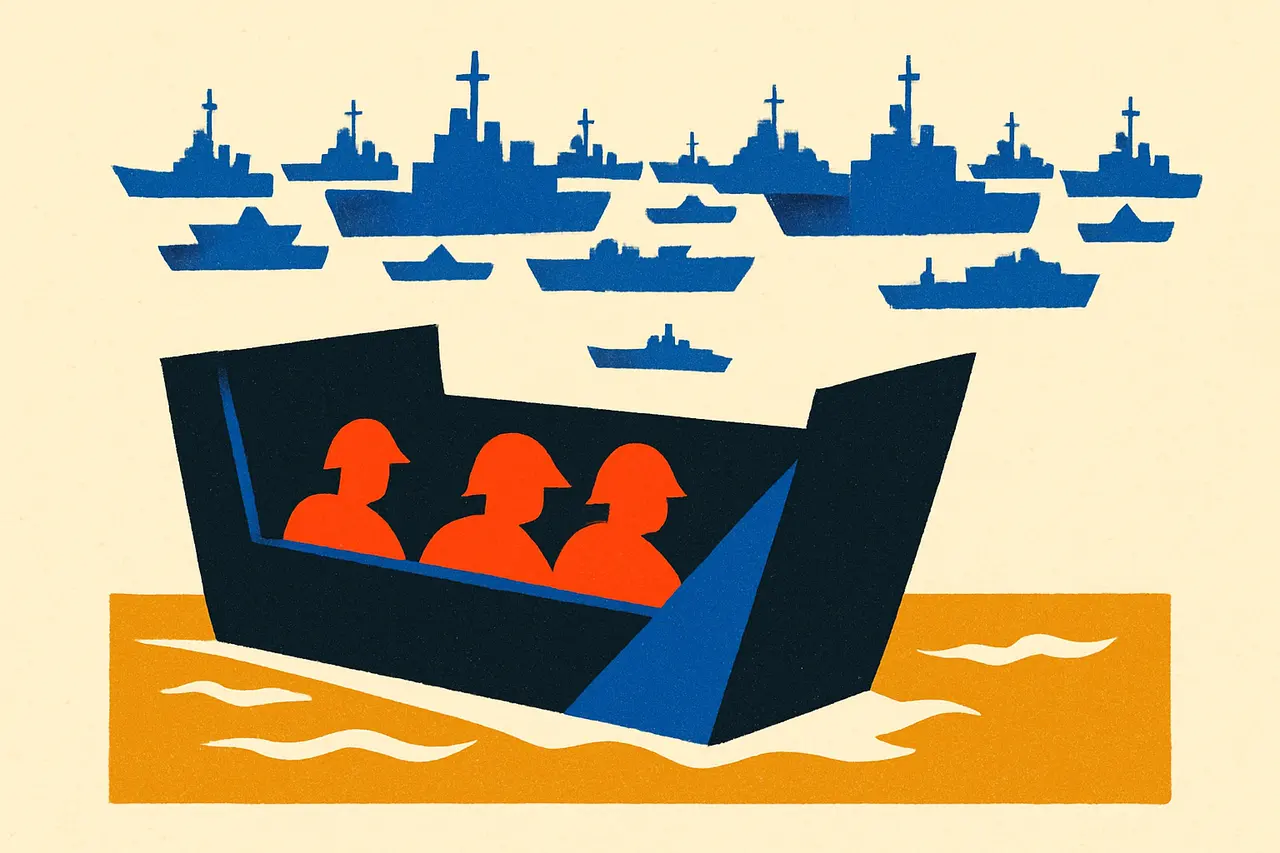
On June 6, 1944, about 156,000 Allied troops crossed the Channel and landed on five Normandy beaches — opening the campaign that freed Western Europe.
Before dawn on June 6, 1944, the Allies launched Operation Overlord — the invasion of German-occupied Western Europe. By the end of the day, around 156,000 American, British, and Canadian troops had landed across five beaches along a 50-mile stretch of the Normandy coast, code-named Utah, Omaha, Gold, Juno, and Sword.
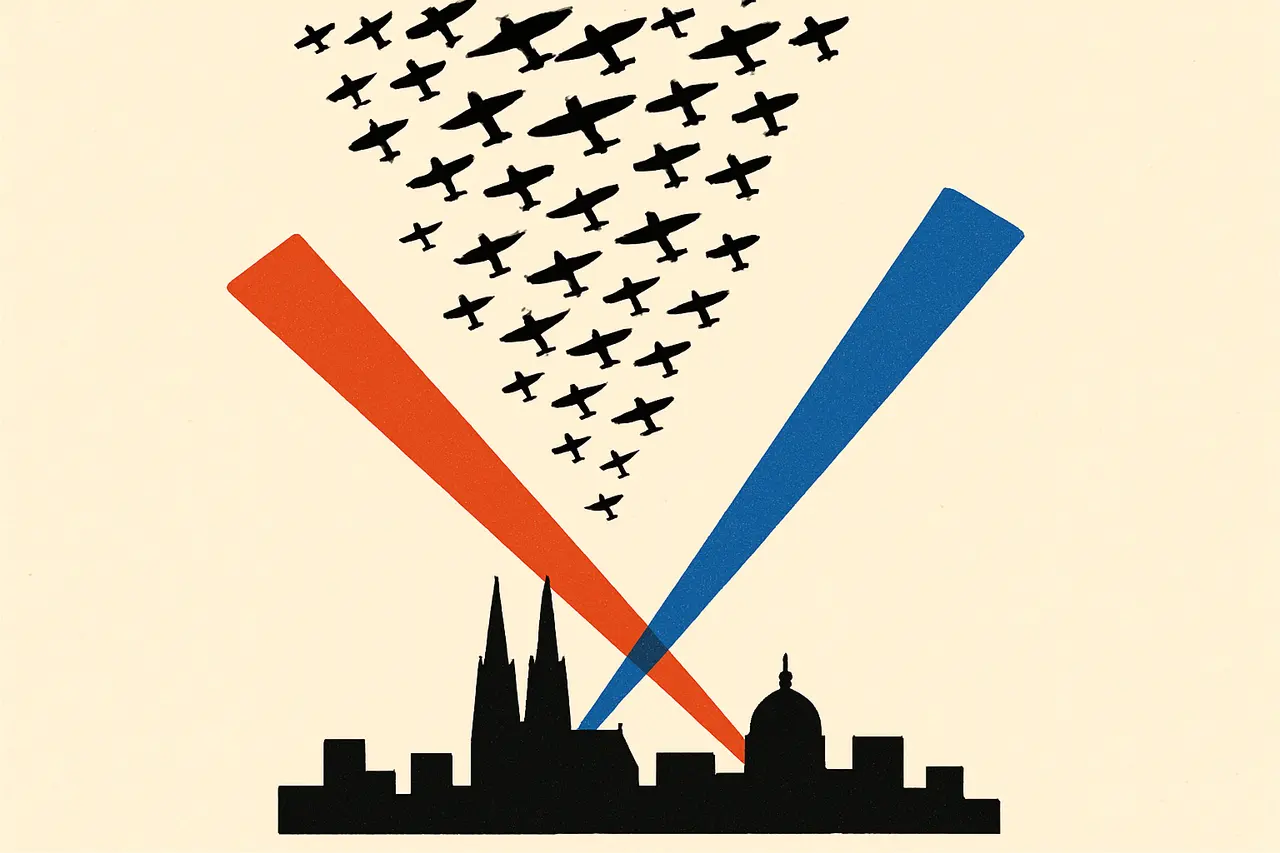
The scale is hard to overstate. The naval operation (Operation Neptune) involved nearly 7,000 vessels, while roughly 11,000 aircraft supported the landings and the airborne drops behind enemy lines the night before. It remains the largest amphibious assault ever attempted.
It came at a steep cost. Allied casualties on D-Day are estimated at around 10,000, including more than 4,400 confirmed dead — the heaviest losses falling on Omaha Beach. The foothold they secured opened the campaign that, 11 months later, ended the war in Europe.
“The eyes of the world are upon you.” — Gen. Dwight D. Eisenhower, in his order of the day to the troops, June 6, 1944.
Sources & references
3 referencesWell-established. Corroborated by 3 independent sources.