Elizabeth I became queen on 17 Nov 1558, not at her coronation
On this day · 17 November 1558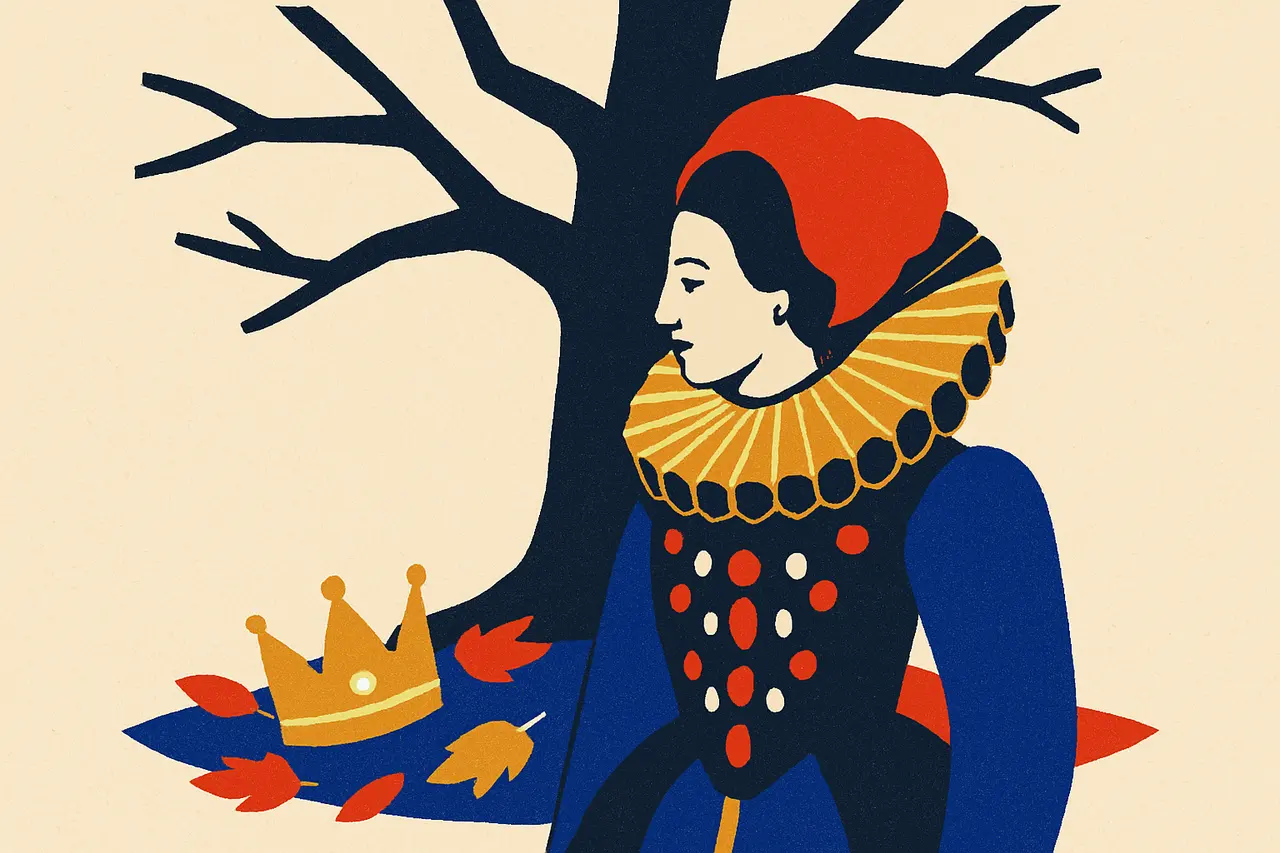
Mary I's death made Elizabeth queen at 25. Her first speech survives, and her accession day stayed a holiday for two centuries.
Elizabeth I became Queen of England on 17 November 1558, the moment her half-sister Mary I died — not at her coronation, which came two months later. She was 25, and only four years earlier had spent two months imprisoned in the Tower of London under suspicion during Mary’s reign.
Her reign is therefore dated from Mary’s death, which makes it 44 years and four months long, ending with her own death at Richmond Palace on 24 March 1603. The first days are unusually well documented:
- 17 November 1558: Elizabeth receives the news at Hatfield House in Hertfordshire, where she had been living for several years.
- 20 November 1558: At Hatfield she makes her first speech as queen to the lords of the council and appoints Sir William Cecil her principal secretary — three days into the reign. Both texts survive in the State Papers at The National Archives.
- 15 January 1559: She is crowned at Westminster Abbey.
- c. 1581: Sir Henry Lee, the Queen’s Champion, establishes the Accession Day tilts, costly 17 November festivals of jousting, poetry, music and feasting in her honour.
The speech is a careful piece of politics: grief for Mary, then duty.
“My Lordes the lawe of nature moveth mee to sorrowe for my Sister, the burthen that is fallen upon me maketh me amazed.” — Elizabeth I, Hatfield, 20 November 1558
To Cecil she gave a charge that set the tone of their forty-year partnership: she judged that he would “not be corrupted with any manner of gift” and would give her the counsel he thought best “without respect of my pryvate will”. He went on to run the Crown’s finances and lead the privy council for most of her reign.
The date outlived her. Accession Day, 17 November, was kept as a national holiday for some two hundred years — long after her death united the English and Scottish crowns under James I.
Sources & references
4 referencesWell-established. Corroborated by 4 independent sources.