Britain took Hong Kong under a treaty both sides rejected
On this day · 20 January 1841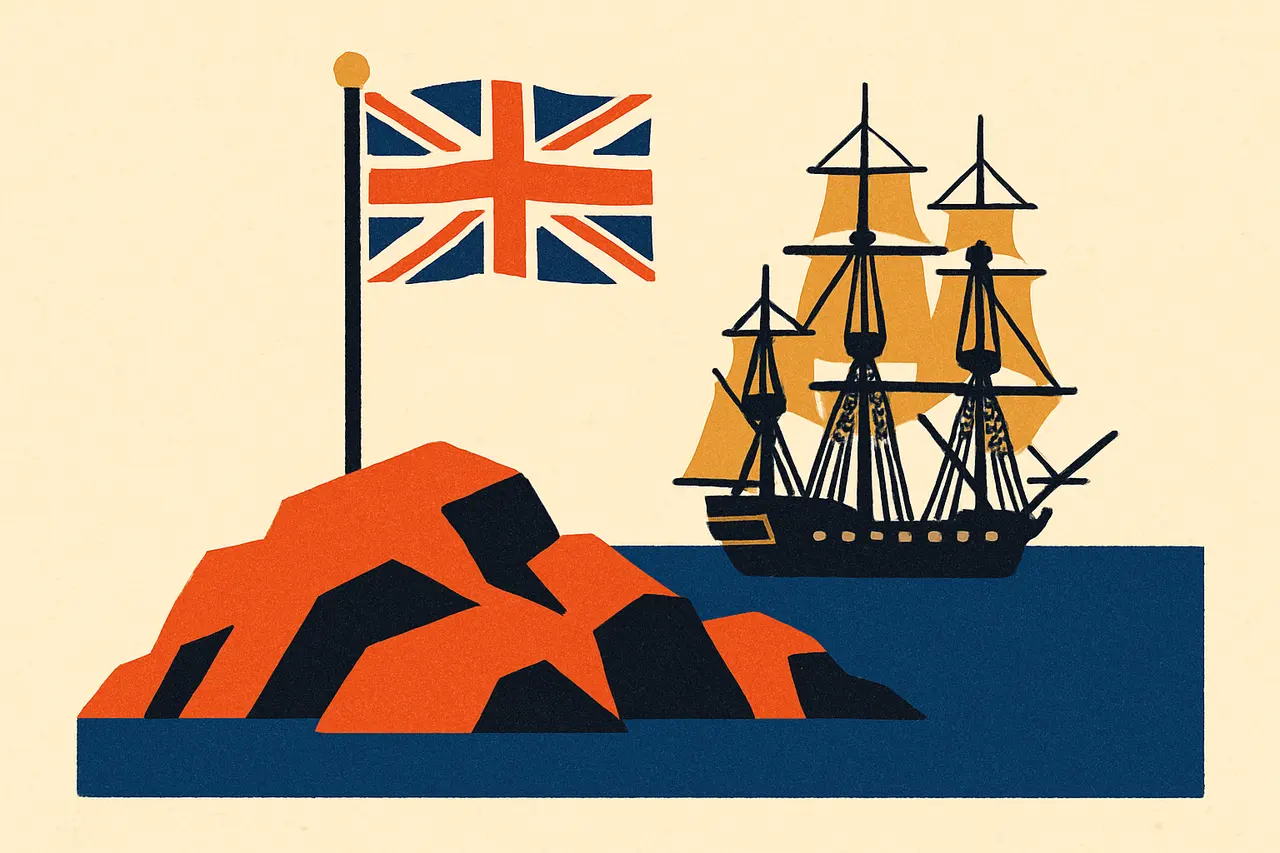
The January 1841 Chuenpi deal ceding Hong Kong Island was disowned by London and Beijing; an envoy's disobedience made it permanent.
Britain gained Hong Kong Island under the Convention of Chuenpi, agreed on 20 January 1841 during the First Opium War by British plenipotentiary Charles Elliot and the Qing commissioner Qishan. A naval landing party raised the British flag at Possession Point six days later, on 26 January. Neither government ever accepted the deal, yet Hong Kong stayed British until 1997.
The island was not the empty rock of legend. Hong Kong’s own government yearbook puts the population in its early days at about 3,650 people in some 20 villages and hamlets, plus around 2,000 fishermen living on boats in the harbour. Its real asset was a deep, sheltered anchorage on the trade routes to China.
How a rejected treaty stuck
Both negotiators were punished. The Daoguang Emperor had Qishan sent to Beijing in chains for ceding Chinese territory. In London, Foreign Secretary Lord Palmerston was just as angry, for the opposite reason: he wanted a commercial treaty or a better island, and dismissed Hong Kong as
“a barren island with hardly a house upon it.” — Lord Palmerston, 1841
“You have treated my instructions as if they were waste paper,” he told Elliot, and replaced him with Sir Henry Pottinger, who arrived in August 1841.
Then the politics in London shifted. The government fell, and the new foreign secretary, Lord Aberdeen, sent Pottinger instructions that dropped the demand for an island altogether. Pottinger, who had grown pleased with the settlement taking shape on Hong Kong, ignored them. In the Treaty of Nanking, signed on 29 August 1842 after his forces threatened Nanjing, he demanded both a treaty and an island, and got Hong Kong permanently ceded alongside five ports opened to trade.
So British Hong Kong owed its existence less to the original deal than to an envoy who disobeyed orders. The colony later grew on the mainland, and a separate 1898 agreement leased the New Territories for 99 years, the lease whose expiry set the 1997 handover date.
Sources & references
3 referencesWell-established. Corroborated by 3 independent sources.