Pizarro's capture of Atahualpa was an ambush, not a battle
On this day · 16 November 1532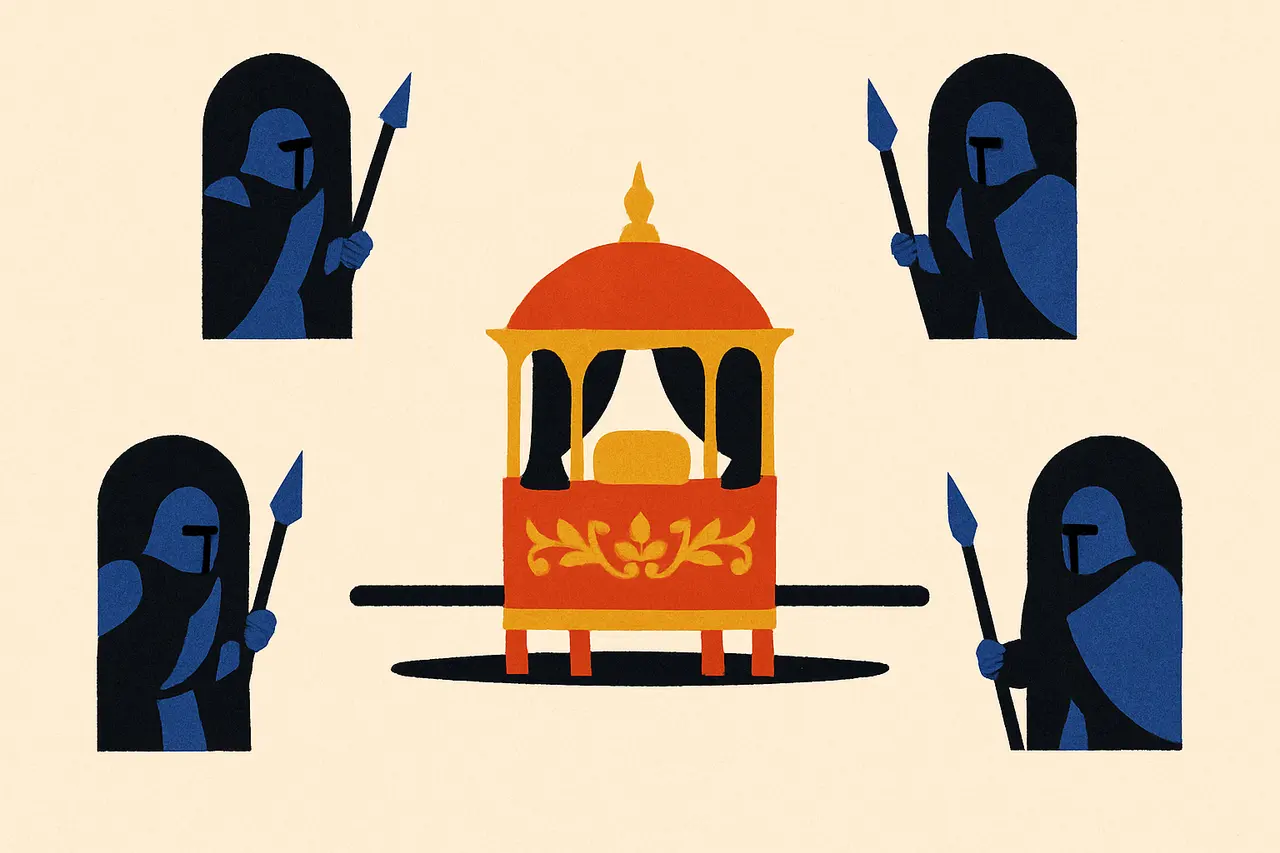
At Cajamarca in 1532, 168 Spaniards used the cover of diplomacy to seize a disputed Inca ruler and hold him for ransom.
On 16 November 1532, the Spanish conquistador Francisco Pizarro and 168 men seized the Inca ruler Atahualpa in a surprise attack in the plaza of Cajamarca, in the northern highlands of present-day Peru. Popular histories — most famously Jared Diamond’s Guns, Germs, and Steel — treat it as a world-changing battle. The eyewitness record describes something narrower: an ambush staged under cover of diplomacy.
Why historians call it a betrayal, not a battle
For days the two sides had exchanged messages. Pizarro sent horsemen to Atahualpa’s camp with gifts and an offer to fight his enemies; Atahualpa offered maize beer, a gesture that marked the strangers as his subjects. Meanwhile the Spaniards set artillery on a platform in the plaza and hid cavalry in the buildings around it. They were so frightened, one witness recalled, that men wet themselves.
Atahualpa arrived late in the afternoon in an ornate litter, escorted by a ceremonial bodyguard singing praise songs; his veteran troops were mostly still in camp. When the friar Vicente de Valverde presented a religious book and Atahualpa rejected it, Pizarro gave the signal. Gunfire and charging horsemen cut down the litter-bearers and the trapped retinue, and Pizarro dragged Atahualpa from his toppled litter.
University of Texas anthropologist R. Alan Covey argues that the Spaniards saw this as a noble hostage-taking in the Iberian tradition — the same playbook that had captured France’s King Francis I at Pavia in 1525 — rather than the conquest of an empire. They also knew Atahualpa’s claim was disputed: his brother Huascar was the acknowledged Inca in Cuzco until Atahualpa’s men murdered him.
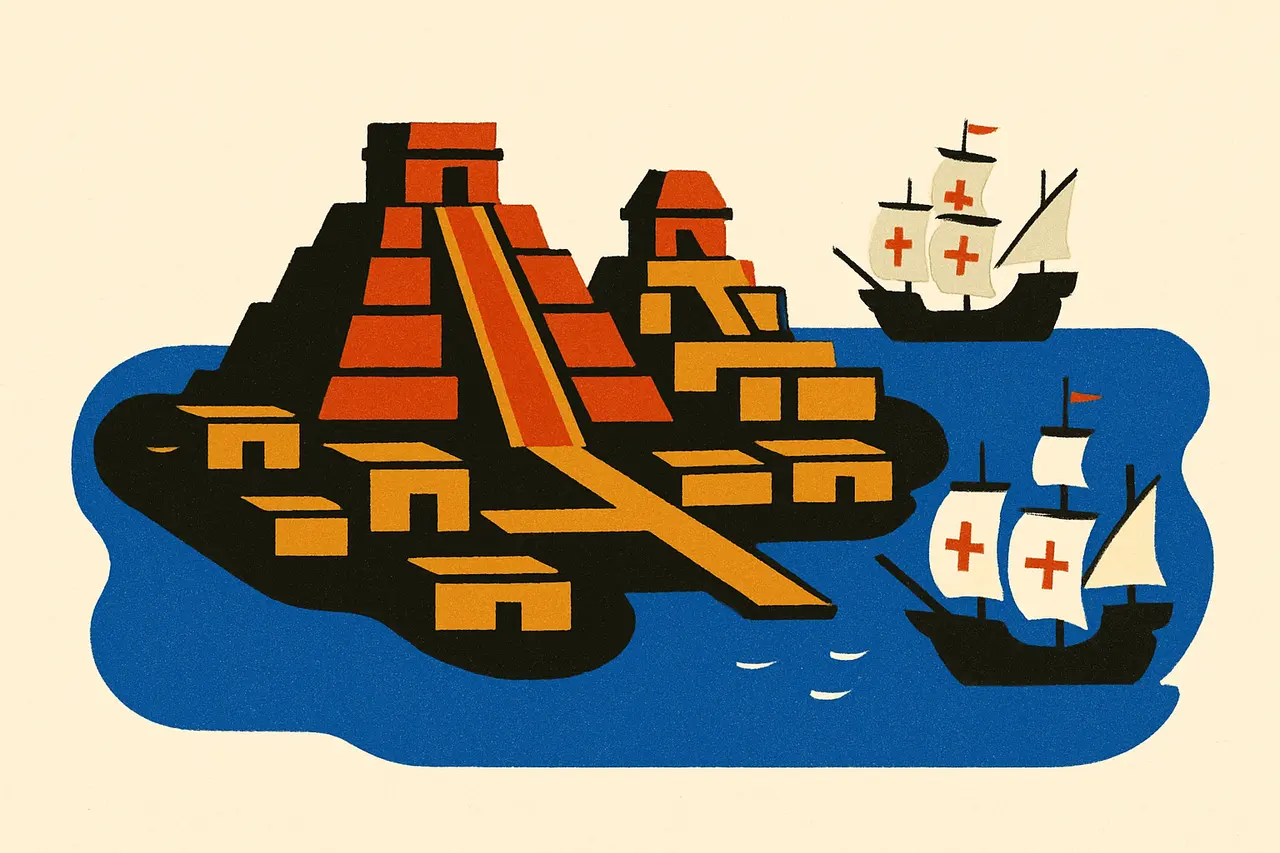
The ransom was colossal. A room about 6.2 by 4.8 metres was to be filled with treasure to a height of 2.5 metres, then twice more with silver. Once it was gathered, the Spaniards put their prisoner through a summary trial and executed him on 26 July 1533, then installed a puppet Inca of their own choosing. Hernán Cortés had used the same tactic in 1519, taking his host hostage within a week of meeting Moctezuma on the causeway into Tenochtitlan.
Sources & references
4 referencesWell-established. Corroborated by 3 independent sources.