Egypt Nationalized the Suez Canal
On this day · 26 July 1956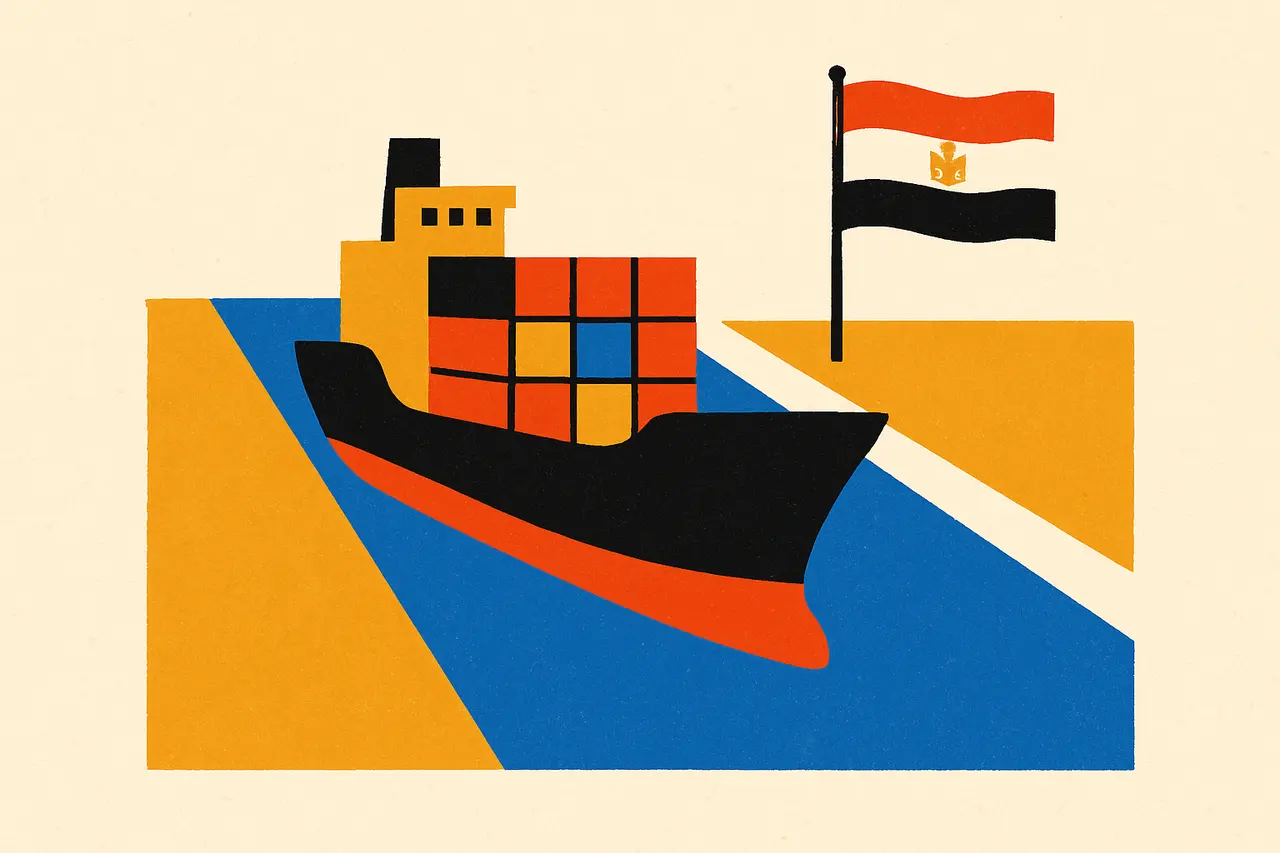
In a single Alexandria speech, Nasser seized one of the world's busiest waterways and triggered an international crisis.
On July 26, 1956, Egyptian President Gamal Abdel Nasser announced the nationalization of the Suez Canal Company, the joint British-French enterprise that had owned and operated the canal since it opened in 1869. The move handed Egypt control of a waterway that linked the Mediterranean and Red seas and carried much of the world’s oil and trade.
Nasser’s decision came after the United States and Britain withdrew financing for the Aswan High Dam, a response to Egypt’s deepening ties with the Soviet bloc. Nationalizing the canal would, he argued, fund the dam from its own toll revenues.
During his speech, Nasser said the name of canal-builder Ferdinand de Lesseps as a coded signal for Egyptian forces to seize the canal.
Though Egypt offered to compensate shareholders, Britain and France were outraged. Within months they joined Israel in a military plan to retake the canal and topple Nasser, igniting the Suez Crisis that reshaped the post-war balance of power.
Sources & references
2 referencesWell-established. Corroborated by 2 independent sources.