Spices were once so precious they launched the Age of Exploration
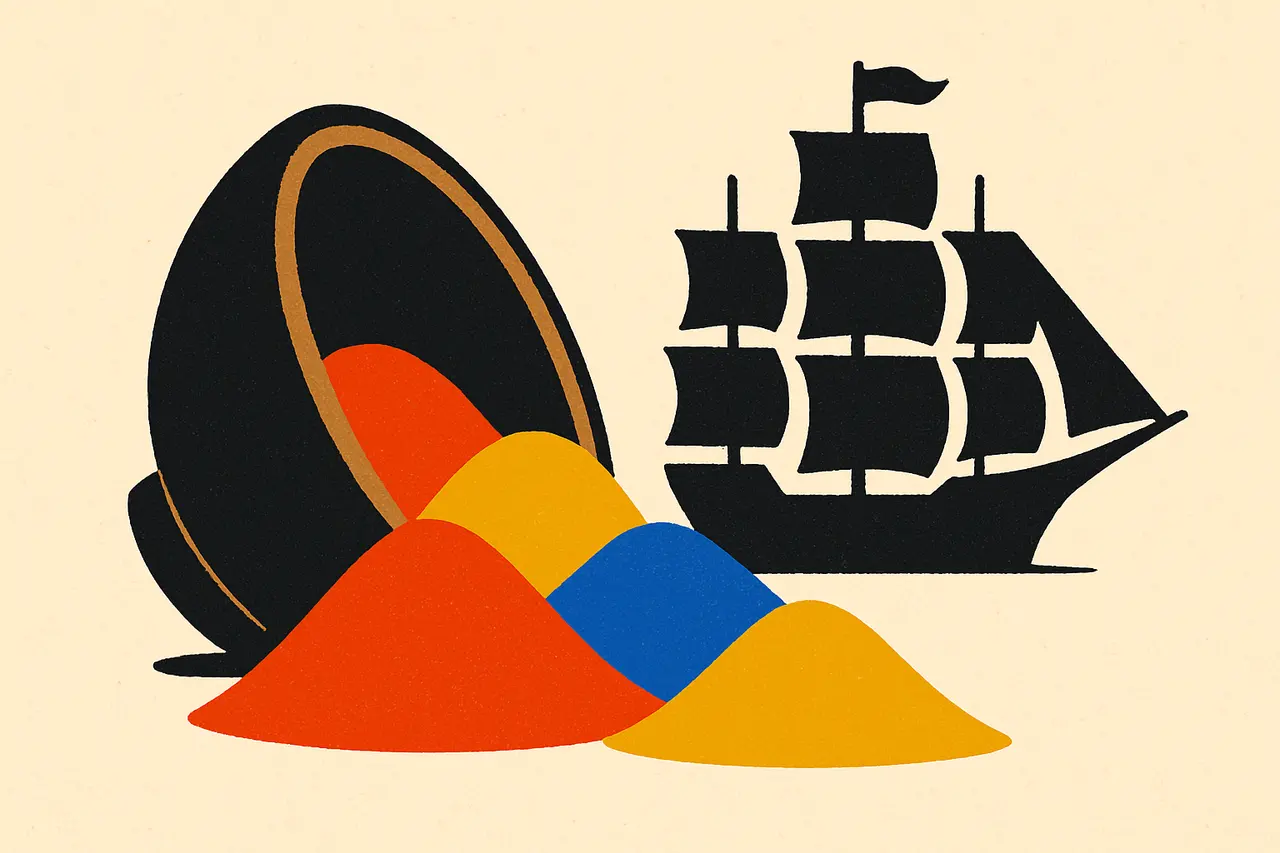
Pepper bought in India for a few grams of silver sold in Europe for thirty times as much.
In the Middle Ages, spices were luxury and wealth in concentrated form. Pepper, the most important of all, made a journey of staggering markups: a kilo costing 1 or 2 grams of silver at its source in India fetched 10 to 14 grams in Alexandria, 14 to 18 in Venice, and 20 to 30 by the time it reached European tables - controlled at every step by Eastern and Arab middlemen.
Cloves, nutmeg and mace came from a tiny cluster of Indonesian islands - the Maluku Islands, or “Spice Islands.” Distance, scarcity and a stranglehold on supply made these flavourings status symbols worth more, by weight, than many precious goods.
The lure of cutting out the middlemen reshaped history. European powers “began to build ships and venture abroad in search of new ways to reach the spice-producing regions,” launching the famed voyages of Columbus (1492) and Magellan (1519).
Sources & references
2 referencesWell-established. Corroborated by 2 independent sources.