Comparative advantage: even a worse producer profits from trade
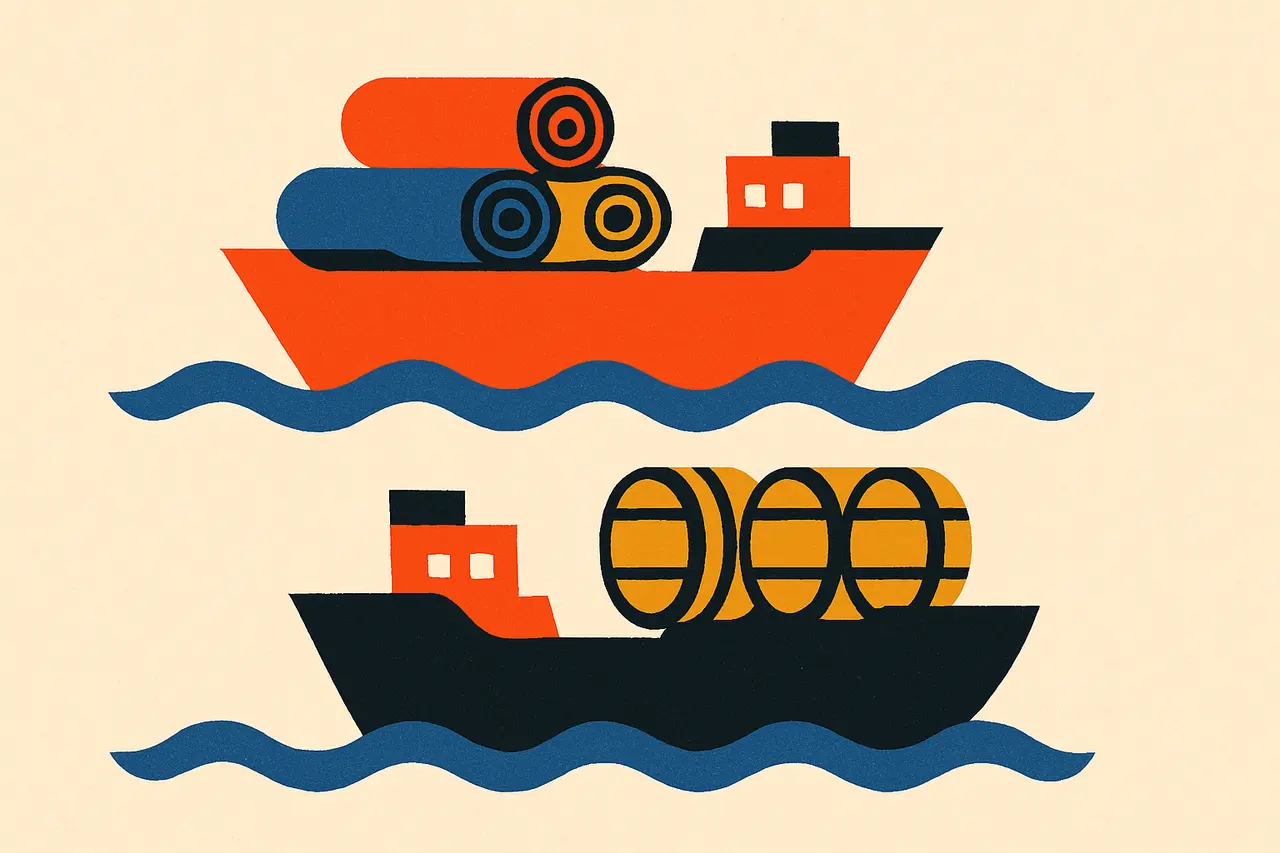
David Ricardo showed that a country worse at making everything still gains by specializing in what it makes relatively best.
It sounds like it shouldn’t work. If one country is better at producing everything — more efficient at every single good — why would it ever bother trading with a rival that’s worse across the board? In 1817, economist David Ricardo answered with one of the most counterintuitive ideas in economics: it still pays for both to trade.
The trick is to stop thinking about who is best in absolute terms and start thinking about opportunity cost — what you give up to make one thing instead of another. A country has a comparative advantage in whatever good it can produce at the lowest opportunity cost, even if it’s less efficient at making it than its trading partner.
Ricardo’s own example used England and Portugal trading cloth for wine. Portugal could make both with less labor, yet it still gained by concentrating on wine and importing cloth.
A country can have an absolute advantage in producing a good without having a comparative advantage.
When each side specializes where its disadvantage is smallest — or its advantage largest — and trades the surplus, total output rises and both can consume more than they could alone. The less-efficient country isn’t doing charity by trading; it’s genuinely better off.
Two centuries on, comparative advantage still underpins the entire case for international trade, turning an apparent paradox into the bedrock logic of the global economy.
Sources & references
2 referencesWell-established. Corroborated by 2 independent sources.