Jenner's 1796 smallpox vaccine: why a farmer got there first
Edward Jenner's 1796 cowpox experiment launched vaccination, but a Dorset farmer had done it 22 years earlier. Here is what Jenner actually added.
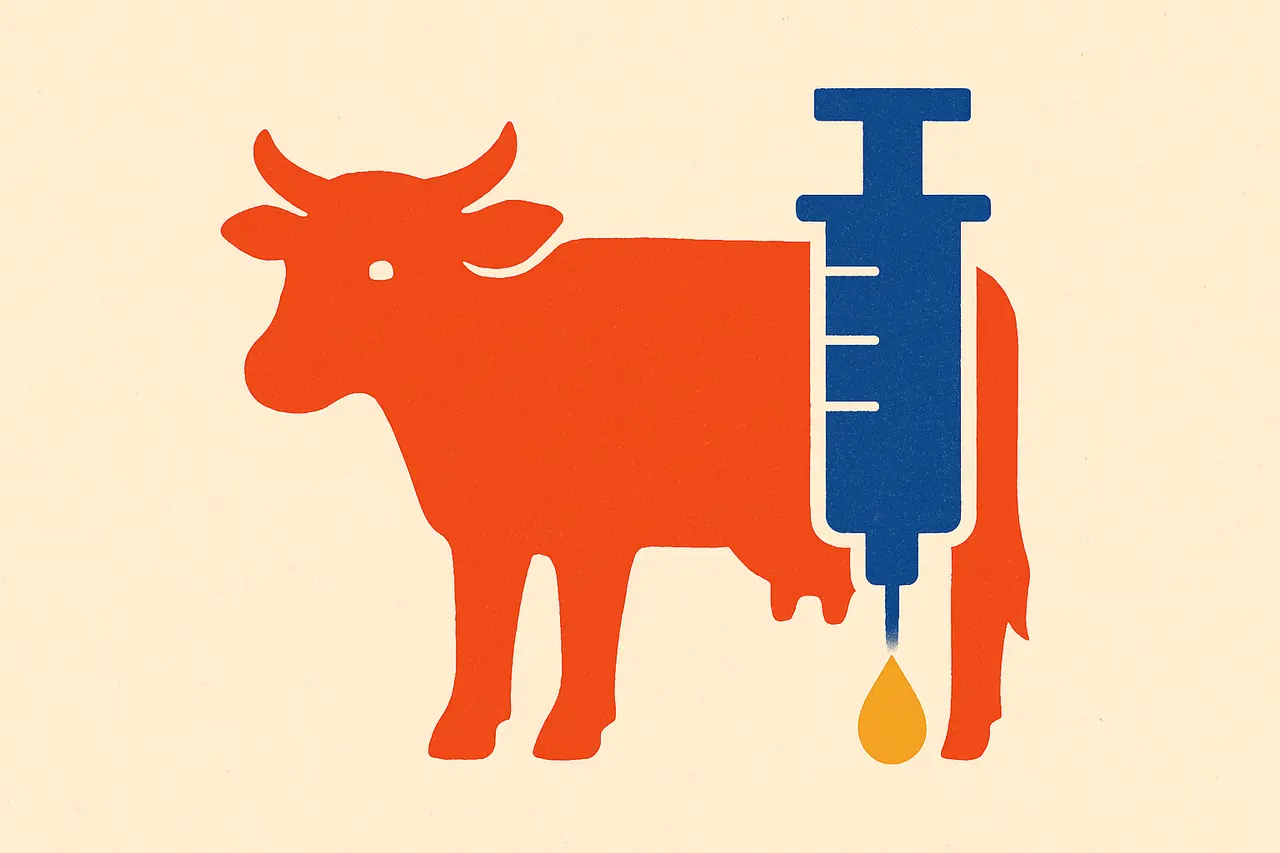
English physician Edward Jenner performed the first scientifically tested vaccination on 14 May 1796, inoculating eight-year-old James Phipps with matter from cowpox sores on the hand of dairymaid Sarah Nelms. Cowpox, a mild disease caught from cattle, was widely believed in rural England to protect against smallpox.
Phipps was briefly unwell, then recovered. In July 1796 Jenner deliberately inoculated him with matter from a human smallpox sore, and no disease followed. He named the procedure after the Latin word for cow, vacca, the root of “vaccine”.
Was Jenner the first to vaccinate?
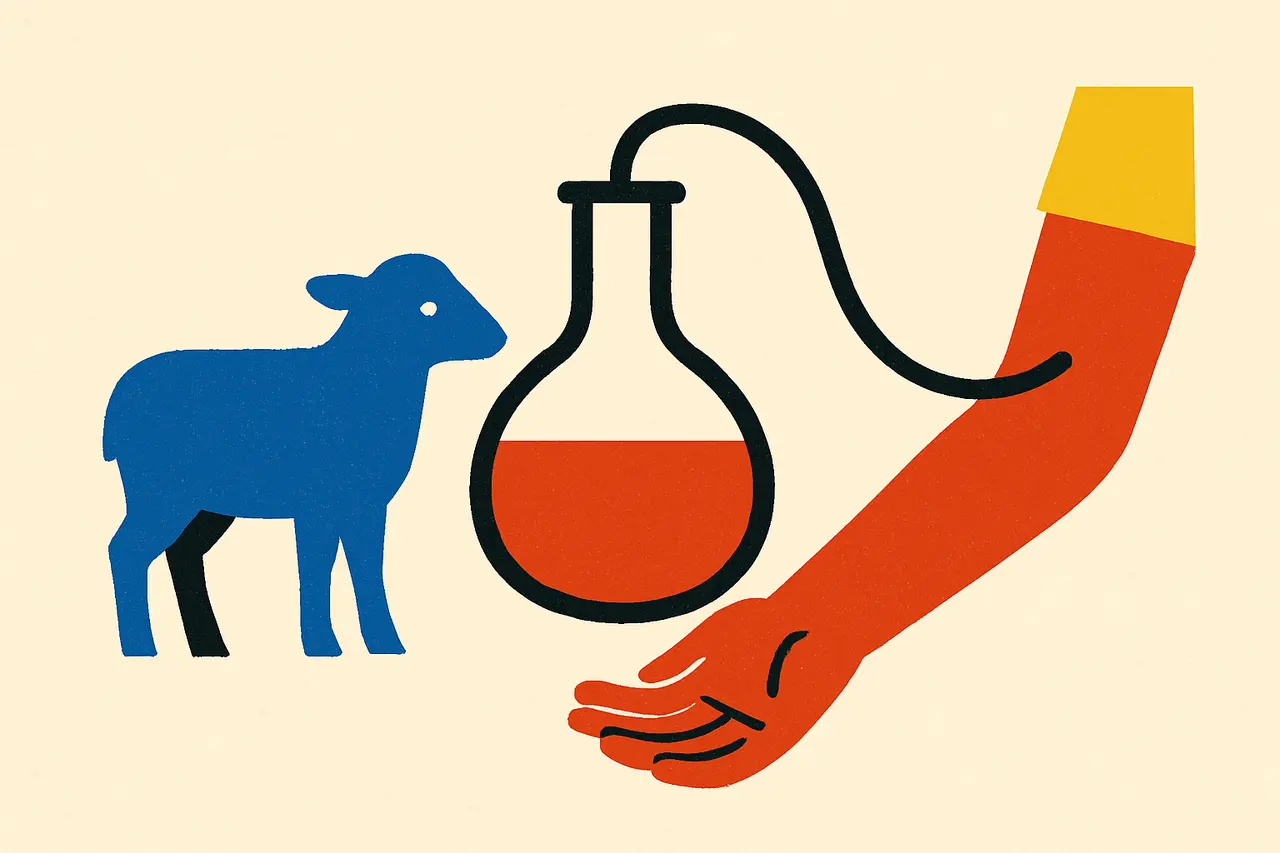
No, though many accounts say he invented vaccination. In 1774, twenty-two years earlier, when smallpox reached his district, Dorset farmer Benjamin Jesty took cowpox material from the udders of infected cattle and transferred it with a small lancet to the arms of his wife and two sons. Historians increasingly credit Jesty as the first to vaccinate, and he was probably not alone: the protective power of cowpox was common knowledge among country doctors in England’s dairy counties.
Jenner’s contribution was different. He tested the idea deliberately, challenged his subject with real smallpox, and published the method, turning a piece of farmyard lore into medicine that others could check and copy.
Recognition was slow. The Royal Society rejected his short paper in 1797, so in 1798 he published his Inquiry privately as a small booklet. Rumours spread that vaccination would turn people into cows, but by 1801 wider testing had shown that it worked.
Did Jenner’s vaccine end smallpox?
Not directly, but it laid the groundwork. Jenner’s method underpinned the global campaign that ended in 1980, when the World Health Organization declared smallpox eradicated. The stakes were huge: in 18th-century Europe smallpox killed about 400,000 people a year and blinded a third of survivors. It is still the only human disease ever wiped out.
Sources & references
5 referencesWell-established. Corroborated by 2 independent sources.