Why babies have about 300 bones but adults only 206
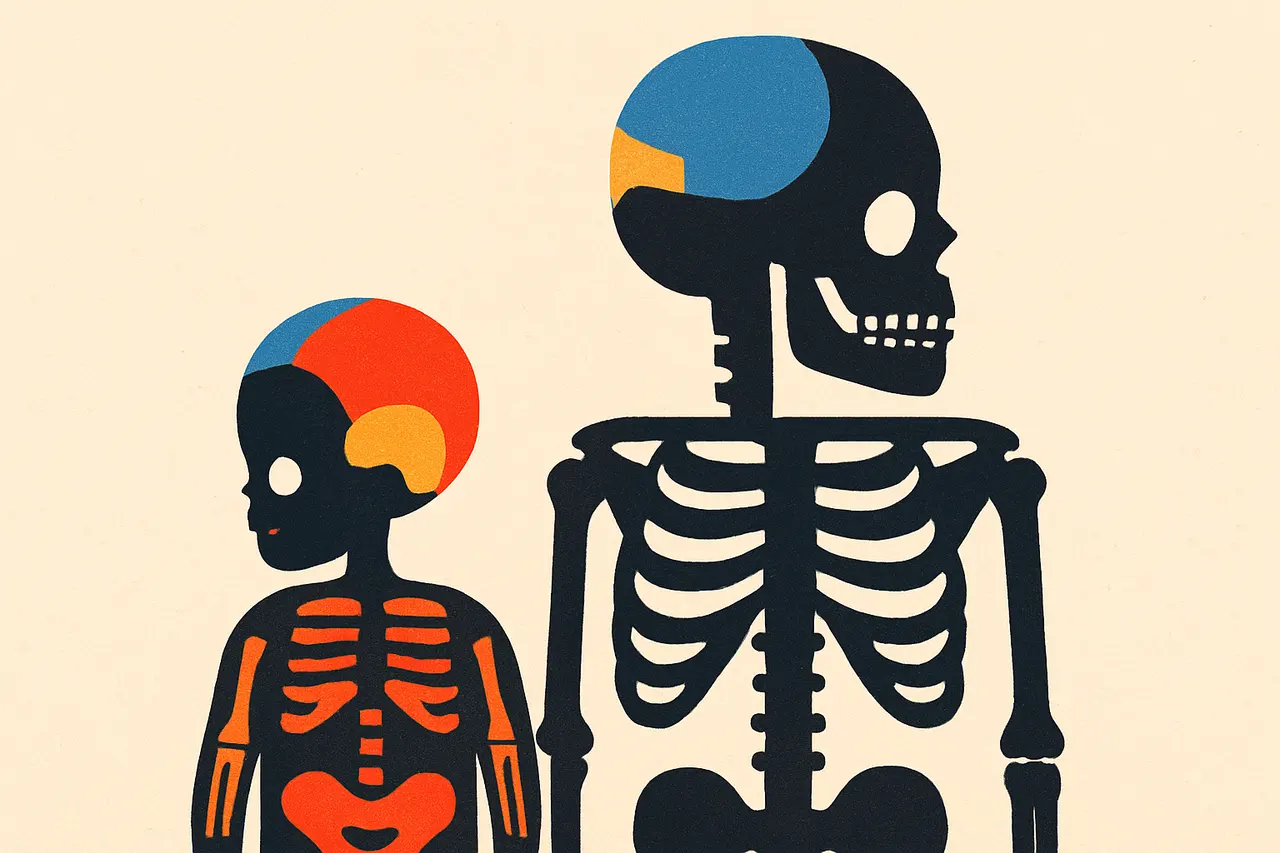
Newborns start with roughly 270 to 300 bones that fuse over two decades — the last, in the collarbone, finishes only in your twenties.
A newborn baby has roughly 270 to 300 bones, while an adult skeleton usually has 206: the difference comes from separate pieces that fuse together as the body grows, not from bones being lost.
You will see both “270” and “300” quoted, often on the same results page, and both come from reputable medical sources: Cleveland Clinic says babies are usually born with about 270 bones, while the U.S. National Institutes of Health says about 300. Neither is a typo. A newborn’s skeleton is mid-assembly, full of small pieces that have not yet joined, so the total depends on how those pieces are counted.
The adult figure is a convention too. The 206 is a count of named bones: 80 in the axial skeleton (skull, spine, ribs and breastbone) and 126 in the limbs and the girdles that attach them. Real adults range from 206 to 213, because some people have an extra rib or a different number of vertebrae.
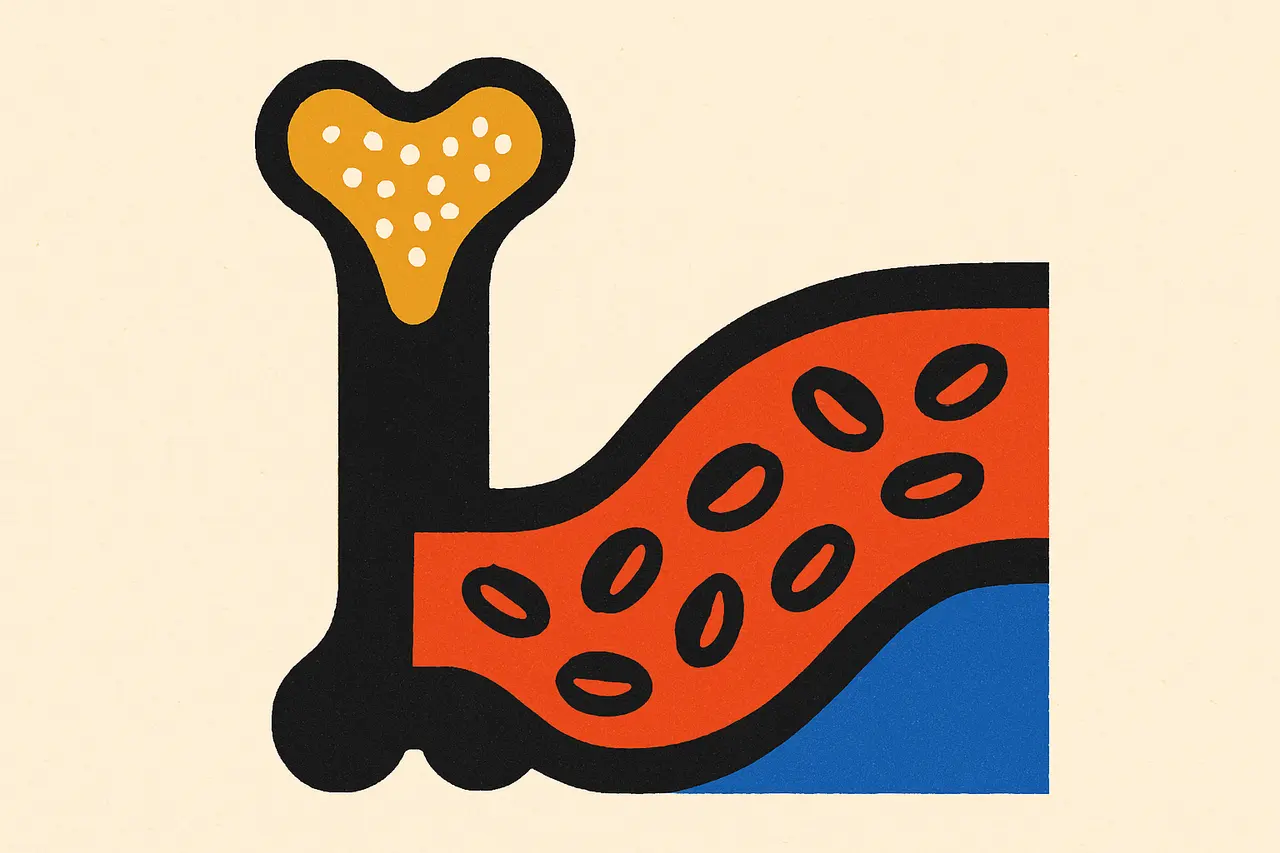
Fusion is not a single event; it runs from infancy into early adulthood. At birth the skull is a set of separate plates with soft gaps, the fontanelles, that let the head flex during delivery and give the brain room to grow. The small posterior fontanelle at the back of the head closes by about 2 months, and the larger anterior “soft spot” on top between 7 and 18 months. Through childhood and the teens, bones lengthen at their growth plates, which later fuse as growth ends.
The finish line comes in the twenties, when the inner end of the collarbone, the last part of the skeleton to ossify, completes; forensic examiners use it to judge whether a living person is over 18 or 21. So the skeleton is not a fixed frame you simply grow into. It steadily consolidates, giving up the flexibility a baby needs for the rigidity an adult depends on.
Sources & references
5 referencesWell-established. Corroborated by 5 independent sources.