Aymara Speakers Put the Future Behind Them

For the Aymara of the Andes, the known past lies in plain view ahead while the unseen future trails behind your back.
Almost every studied culture imagines time as a path we walk forward into: the future ahead, the past behind. The Aymara, an Indigenous people of the Andean highlands in Bolivia, Peru and Chile, do the opposite.
A 2006 study in the journal Cognitive Science by Rafael Núñez (UC San Diego) and Eve Sweetser (UC Berkeley) found that Aymara place the past in front and the future behind. The language encodes it: nayra, meaning “eye” or “front,” also means “past,” while qhipa, meaning “back,” means “future.” “Last year” is literally “front year.”
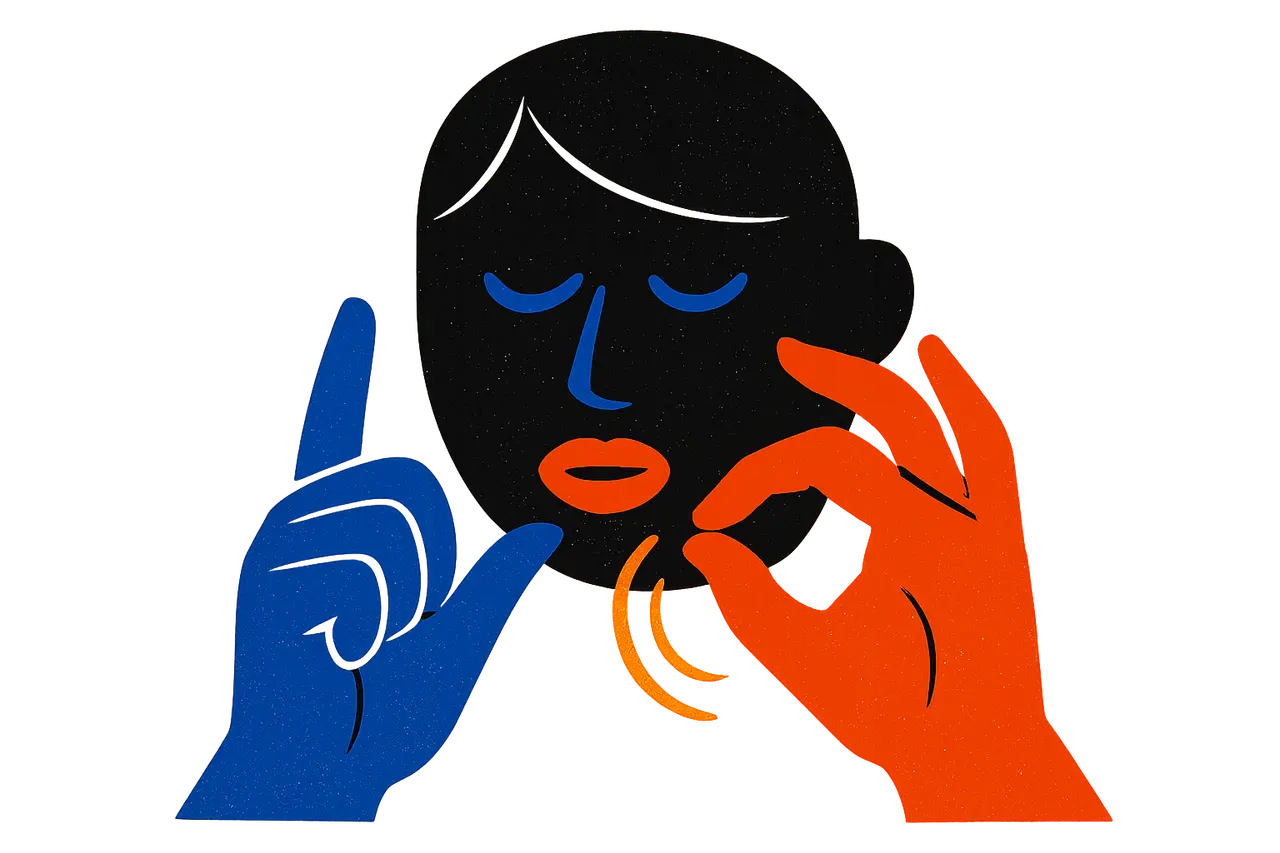
Gesture told the same story: speakers waved over their shoulders for what’s to come.
The logic is vision. What you have already seen — the past — sits before your eyes, knowable; what you cannot yet see — the future — lies out of sight at your back. The pattern was strongest among elderly monolinguals; younger, Spanish-fluent speakers gestured more like everyone else, hinting the construal is fading.
Sources & references
3 referencesWell-established. Corroborated by 3 independent sources.