Pirahã, an Amazonian language, appears to have no exact numbers
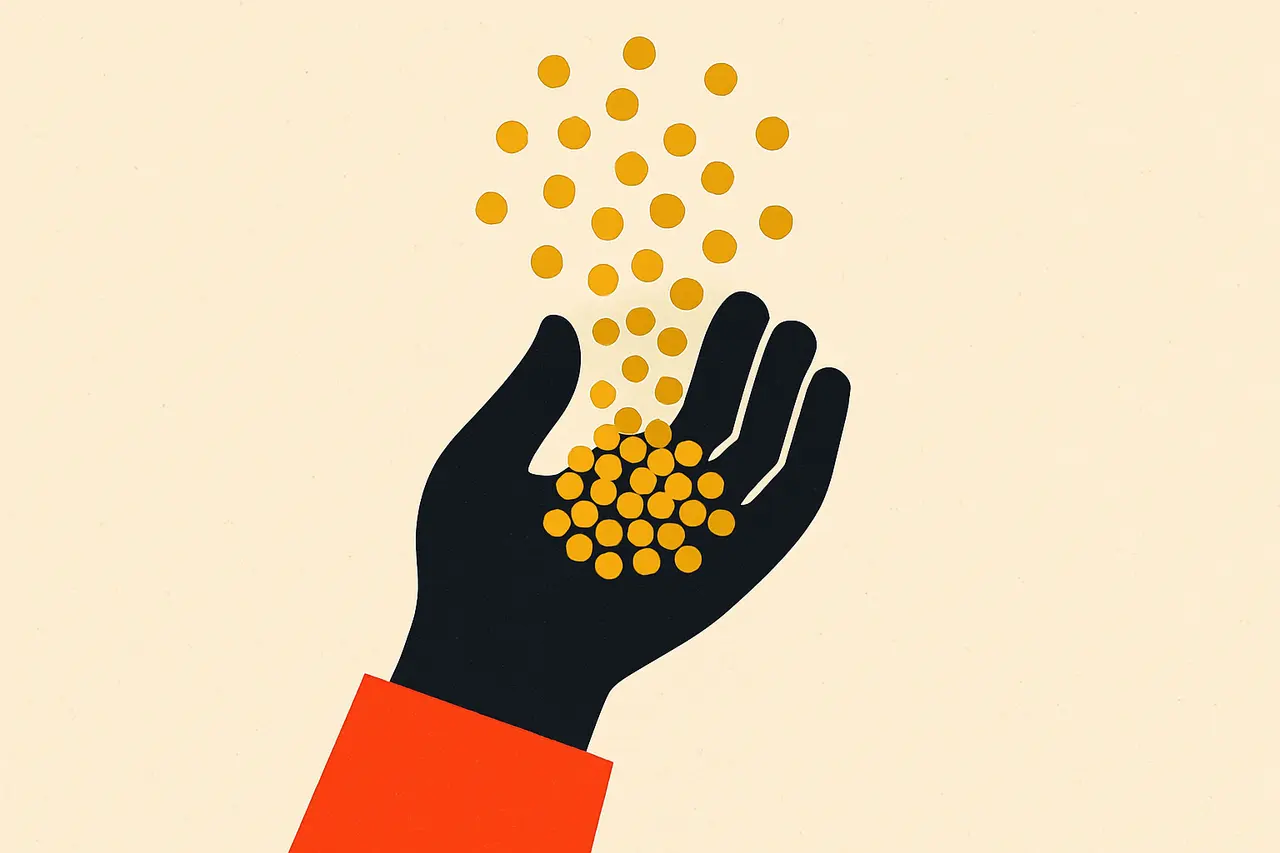
A small Amazonian people seem to get by with words for roughly "few" and "many" — and no fixed word for "one."
Most of us assume counting is hardwired into human language. The Pirahã, a few hundred hunter-gatherers in remote northwestern Brazil, suggest otherwise. Researchers report that their language has no words for exact numbers at all — not even a reliable word for “one.”
Instead, the Pirahã use a handful of vague quantity words. Linguists who have worked with them describe roughly three: a term for a small amount, one for a somewhat larger amount, and one meaning “many” or “bring together.” Crucially, these are relative, not fixed — the same word can shift with context, the way English “a few” does.
In a language without numerals, “three” and “five” simply have no names.
That shows up in careful experiments. An MIT-led team led by Edward Gibson found Pirahã adults could match a row of objects one-for-one when the originals stayed in view. But add a memory step — hide the set, then reproduce it — and their matches drifted, especially past four or five items. Without number words to pin a quantity in mind, exact recall slipped.
The finding feeds a long, sharp debate about whether language shapes thought. The cautious reading: number words may be a cultural technology, a tool humans invent rather than inherit. The Pirahã can learn to count, researchers note — they just have had little cultural use for it.
Sources & references
2 referencesWell-established. Corroborated by 2 independent sources.