A Microbe Hangs From Cave Ceilings as Living Battery Acid
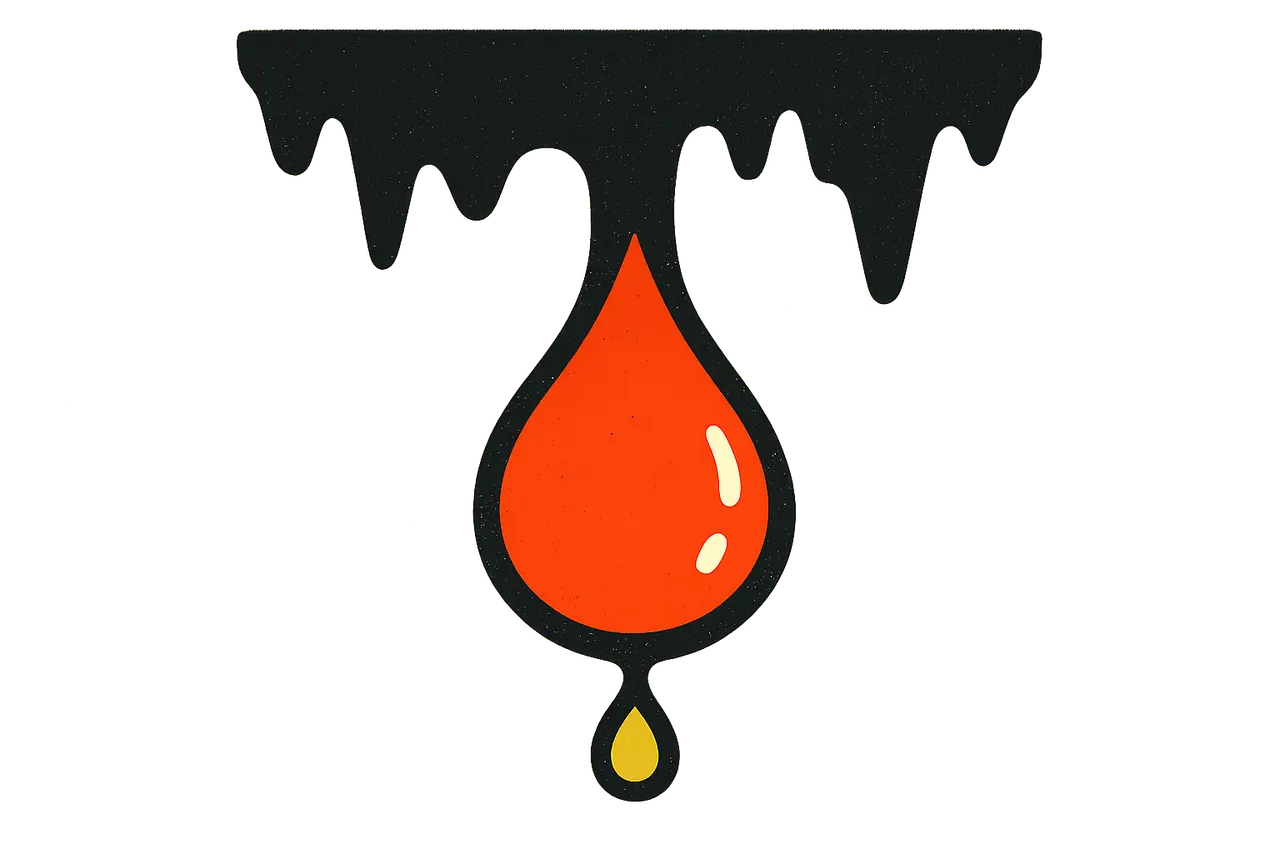
Snottites drip from sulfur-cave ceilings, made of bacteria that excrete sulfuric acid roughly as corrosive as a car battery.
In the foul, sulfide-rich air of certain caves, gooey droplets hang from the ceiling like slimy stalactites. They are not rock. They are snottites — living biofilms of bacteria so acidic that touching one would be like dipping a finger in battery acid.
Researchers who sampled these drips in Italy’s Frasassi Caves and Mexico’s Cueva de Villa Luz measured pH values between 0 and 1.5, among the most acidic conditions tolerated by any known life. The dominant organism, Acidithiobacillus thiooxidans, makes up roughly 70% of the cells. It feeds by oxidizing hydrogen sulfide gas seeping from below, and its metabolic waste product is concentrated sulfuric acid.
The acid is not an accident — it is the microbe’s shield and its weapon.
That extreme acidity keeps competitors out and slowly dissolves the surrounding limestone, helping carve the very cave the snottites cling to. The same chemistry that powers a lead-acid battery is, here, the everyday exhaust of a thriving ecosystem.
Sources & references
3 referencesWell-established. Corroborated by 3 independent sources.