A Dutch cloth merchant was the first to see microbes — through homemade lenses
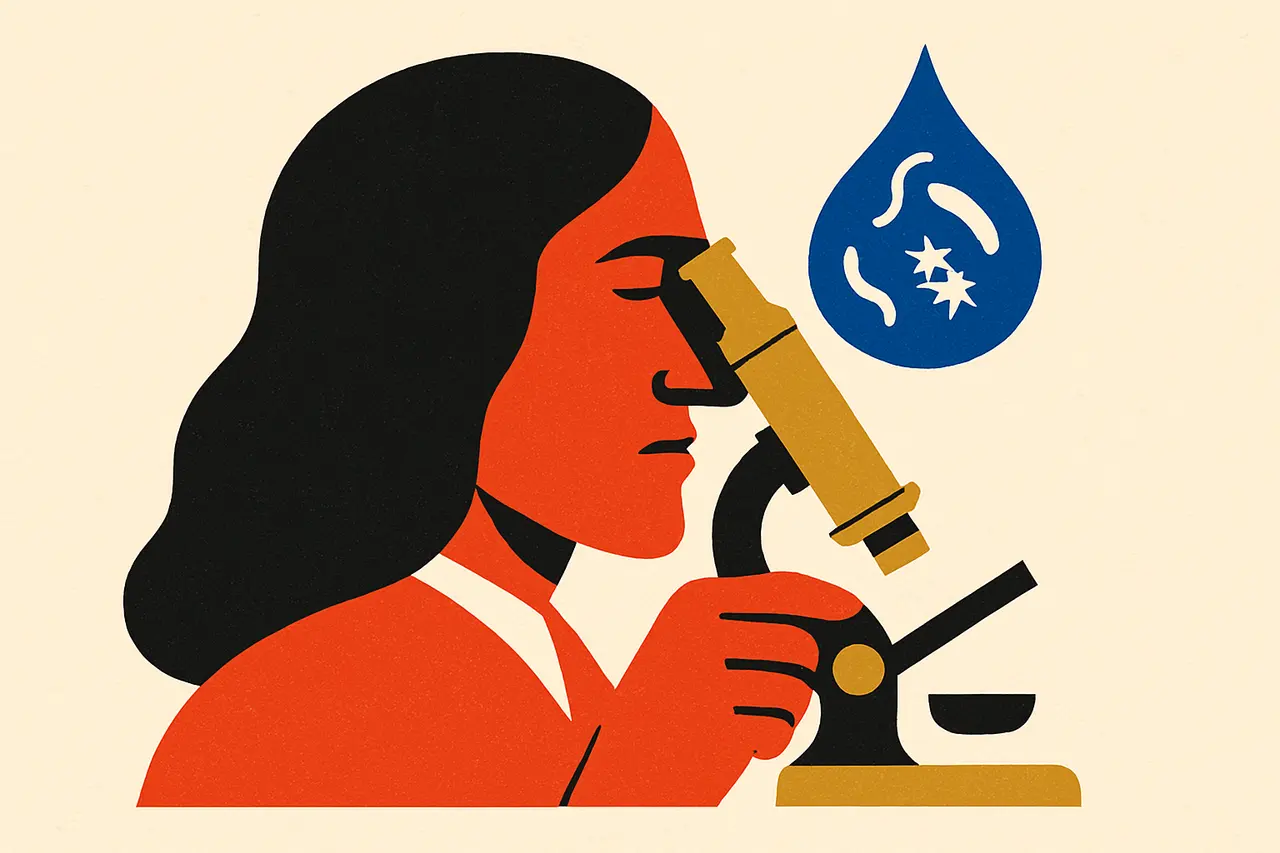
Antonie van Leeuwenhoek had no university training, yet his single-lens microscopes revealed a hidden living world he called "animalcules."
In the 1670s, a draper from Delft named Antonie van Leeuwenhoek ground tiny glass lenses far better than anyone of his day, reaching magnifications up to about 270 times. Peering into pond water, rainwater, and even scrapings from his own teeth, he saw something no one had described before: swarms of moving creatures he called “animalcules” — little animals.
They were, in fact, protozoa and bacteria. In 1676 he reported the protists, and in 1683 he became the first human to describe bacteria.
The Royal Society in London was sceptical at first — these claims sounded absurd — until other observers confirmed them, and Leeuwenhoek was elected a member in 1680. Across more than 300 letters, this untrained craftsman opened an entirely new branch of science.
For revealing the microbial world, he is remembered today as the “father of microbiology.”
Sources & references
2 referencesWell-established. Corroborated by 2 independent sources.